The Kalenjin people, one of Kenya's largest ethnic groups, are predominantly found in the former Rift Valley Province. They are known as Highland Nilotes and have gained international recognition for their dominance in running-related sports. The Kalenjin community is comprised of 11 sub-tribes, each with distinct cultural and linguistic characteristics. According to the 2019 census, the Kalenjin population in Kenya is substantial, with significant numbers also residing in Uganda.
The 11 Kalenjin sub-tribes are culturally and linguistically related, with varying population sizes. The Kipsigis are the largest sub-tribe, with approximately 1.9 million people, accounting for 45% of all Kalenjin-speaking individuals in Kenya. They primarily reside in the highlands of Kericho, where they traditionally engaged in cattle-keeping and crop farming. The Kipsigis also have a symbolic club, known as 'rungut', carved by men, which symbolizes authority.
The Nandi are the second-largest Kalenjin sub-tribe, with a population of 937,000. They primarily occupy Nandi County and speak the Nandi dialect of the Kalenjin language. Historically, the Nandi referred to themselves as Chemwalindet' or 'Chemwal' before adopting their current name in the mid-19th century. The Nandi have a rich history, including resistance against British colonial rule led by Koitalel Arap Samoei, a renowned Orkoiyot.
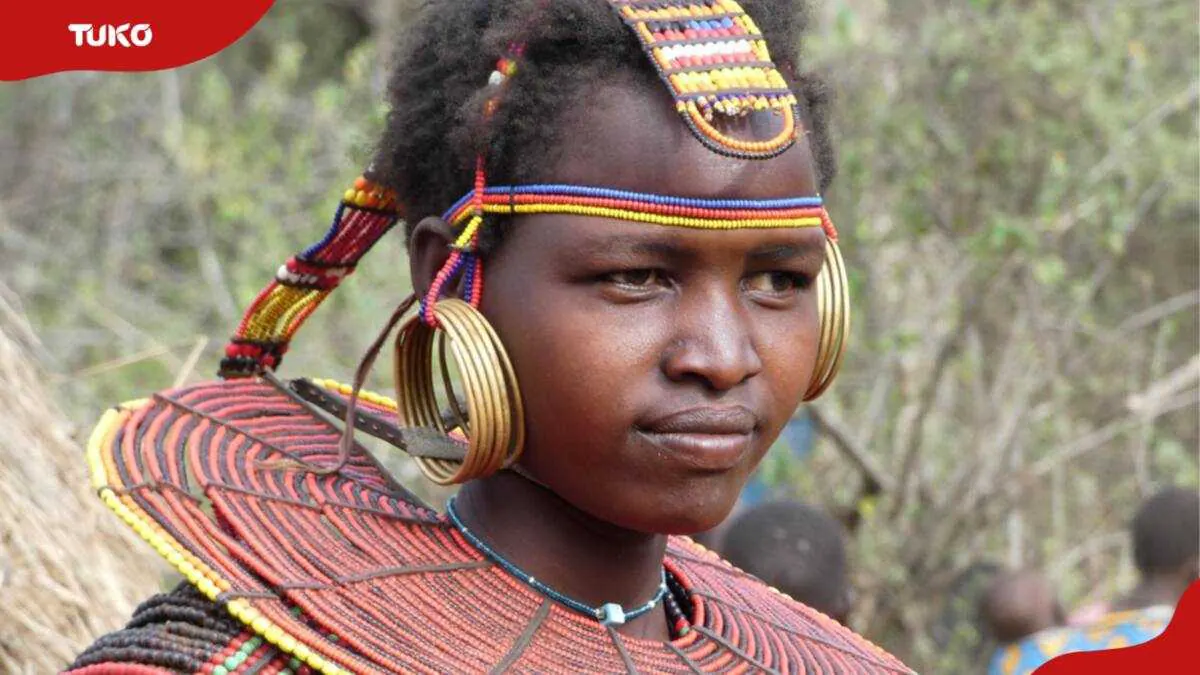
The Pokot tribe resides in West Pokot and Baringo County in Kenya, as well as the Pokot District of the eastern Karamoja region in Uganda. With a population of 778,000, they are the third-largest Kalenjin sub-tribe. The Pokot have a history dating back 2,000 years, originating from southern Ethiopia and migrating to Kenya. They are divided into pastoral and agricultural groups, with Tegla Lorupe, a founder of the Tegla Lorupe Peace Foundation, being a notable Pokot personality.
The Tugen sub-tribe resides in Baringo County and parts of Nakuru and Elgeyo Marakwet Counties. Daniel Arap Moi, Kenya's second president, hailed from the Tugen community. With a population of 197,566, the Tugen have a distinct language and culture, with historical divisions into Aror, Lembus, Torois, and Samor groups. The Lembus and Torois have since disowned their association with the Tugen and were counted separately in the 2019 census.
Other Kalenjin sub-tribes include the Marakwet, Keiyo, Sabaot, Cherengany, Lembus, Terik, and Endorois. The Marakwet people reside in Elgeyo Marakwet County, known for its picturesque landscape, and engage in farming and livestock-keeping. The Keiyo community lives in the highlands near Eldoret, with many having moved to urban areas for business. The Sabaot, residing around Mount Elgon, are considered the original keepers of authentic Kalenjin tradition.
The smaller Kalenjin sub-tribes, including the Cherengany, Lembus, and Terik, have distinct cultural and linguistic characteristics. The Cherengany, also known as Sengwer, are indigenous to the Embobut forest and scattered pockets across Trans Nzoia, West Pokot, and Elgeyo-Marakwet counties. The Lembus have disassociated themselves from the Tugen and are now identified as a Kalenjin sub-tribe, while the Terik people primarily occupy Nandi and Kakamega Counties.
Key points
- The Kalenjin community comprises 11 sub-tribes, each with unique cultural and linguistic characteristics.
- The Kipsigis are the largest Kalenjin sub-tribe, with approximately 1.9 million people.
- The Kalenjin people have gained international recognition for their dominance in running-related sports.