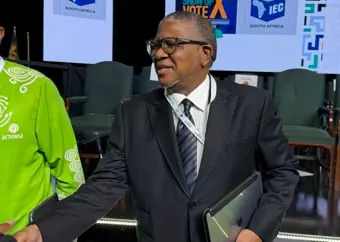
In a recent article, Professor Hein Willemse, an emeritus professor of literature and theory, posed a thought-provoking question: What does it mean to be South African today? According to Willemse, being South African encompasses more than just braai culture. He argues that a comprehensive South African identity should be rooted in shared values. This topic has sparked a national conversation about the complexities of South African identity and what it means to be part of this diverse nation.
The concept of South African identity is multifaceted and has been shaped by the country's complex history. With a diverse population and a mix of cultures, languages, and traditions, defining a unified national identity can be challenging. However, many South Africans agree that shared values such as ubuntu, respect, and a strong sense of community are essential components of their identity. These values are reflected in the country's diverse cultural practices, from traditional music and dance to literature and art.
Willemse's comments have resonated with many South Africans, who have taken to social media to share their thoughts on what it means to be South African. Some have highlighted the importance of language, with Afrikaans, isiZulu, isiXhosa, and English being just a few of the many languages spoken in the country. Others have emphasized the significance of cultural heritage, including traditional clothing, music, and cuisine. These conversations have sparked a renewed interest in exploring and celebrating South Africa's rich cultural diversity.
The discussion around South African identity has also touched on the topic of national unity. Some have argued that a unified national identity is essential for building a cohesive society, while others have emphasized the importance of preserving and celebrating the country's diverse cultural identities. The ANC's recent decision to challenge the Constitutional Court's ruling on its candidate lists for the municipal elections has also raised questions about the role of politics in shaping national identity.
The concept of South African identity is not limited to cultural practices and values; it also encompasses the country's history and its impact on the present. The legacy of apartheid and the struggle for democracy have had a profound impact on the country's identity and continue to shape its social, economic, and political landscape. As South Africa continues to navigate its complex history and build a more inclusive society, the conversation around national identity is likely to remain a pressing topic.
Experts have noted that the conversation around South African identity is not unique to the country. Many nations grapple with similar questions about national identity, particularly in the face of globalization and cultural exchange. However, South Africa's complex history and diverse cultural landscape make its conversation around national identity particularly nuanced and multifaceted.
As the conversation around South African identity continues, it is clear that there is no one-size-fits-all answer. Rather, being South African is a complex and multifaceted concept that encompasses a wide range of cultural practices, values, and experiences. By exploring and celebrating this diversity, South Africans can work towards building a more inclusive and cohesive society that reflects the country's rich cultural heritage.
Key points
- Professor Hein Willemse argues that being South African encompasses more than just braai culture, and that a comprehensive South African identity should be rooted in shared values.