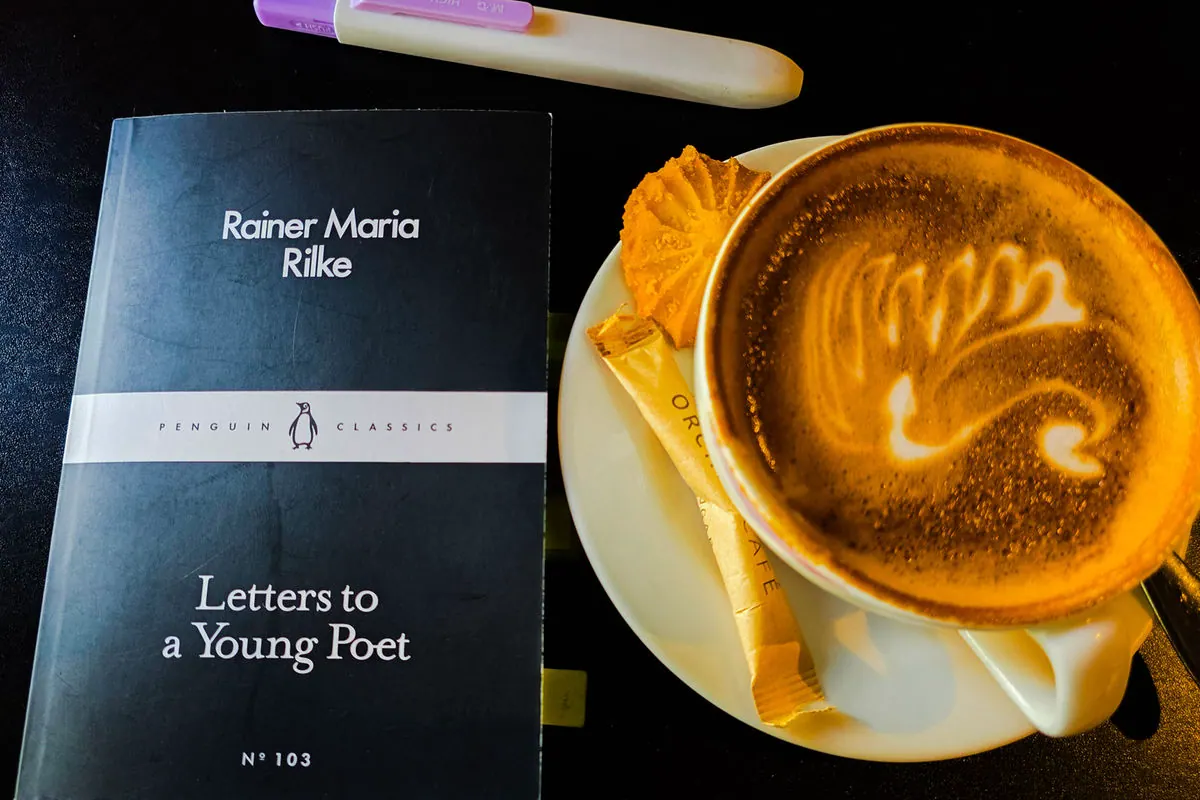
In "Letters to a Young Poet," Rainer Maria Rilke offers guidance to Franz Kappus, a young poet struggling with loneliness and uncertainty about his writing. The letters, published in 1929, provide insight into the human experience, encouraging readers to explore solitude and self-discovery. Rilke's advice emphasizes the importance of introspection, urging Kappus to look within himself for answers. This approach resonates with many readers, including Tanzanian writer Jane Shussa, who reflects on the value of solitude in her own life. Shussa's thoughts on Rilke's letters have sparked a renewed interest in the book. The letters have become a classic of literary guidance.
Rilke's letters advise Kappus to focus on his own life experiences, rather than trying to write about general subjects. He encourages Kappus to depict his sadness, desires, and passing thoughts with sincerity. This approach has inspired Shussa, who describes herself as a discovery writer. She observes the world around her and writes about her thoughts and feelings. Shussa's writing process is deeply personal, and she finds connections between her own life and the books she reads and reviews. Her reviews often explore how the themes and ideas in a book relate to her own experiences. This approach helps her readers understand complex ideas in a relatable way.
One of Rilke's most profound insights is the importance of living with questions, rather than seeking answers. He encourages Kappus to "love the questions themselves like locked rooms, like books written in a foreign tongue." This approach requires patience, trust, and a willingness to take action without knowing the outcome. Shussa reflects on her own tendency to seek certainty and control, and how Rilke's words have challenged her to approach life differently. By embracing uncertainty, she has found a new sense of freedom and creativity. This mindset shift has influenced her writing and personal relationships. Shussa is not alone in finding value in Rilke's advice.
Rilke's letters also explore the complexities of love and relationships. He argues that individuals must first be comfortable with solitude before they can truly love another person. This idea challenges traditional notions of love and relationships, and encourages readers to rethink their assumptions. Rilke predicts that as society evolves, the experience of love will change, and individuals will be able to form deeper, more meaningful connections with one another. His words, written in the early 20th century, remain relevant today. Many readers continue to find value in his insights on love and relationships. Rilke's ideas have influenced generations of thinkers and writers.
The letters also touch on the changing roles of men and women in society. Rilke envisions a future where women are seen as individuals in their own right, rather than simply as complements to men. He predicts that this shift will transform the experience of love, allowing individuals to form more authentic connections with one another. Shussa notes that, even in 2026, we are still grappling with these changes, and that Rilke's words remain a powerful call to rethink our assumptions about love and relationships. Many readers agree that Rilke's ideas on this topic are still relevant today. His insights have sparked important conversations about gender roles and relationships.
Throughout the letters, Rilke emphasizes the importance of solitude and self-discovery. He encourages Kappus to cultivate a deeper understanding of himself, and to use this understanding as a foundation for his writing and relationships. Shussa reflects on the value of solitude in her own life, and how it has allowed her to form deeper connections with herself and others. While some readers may find Rilke's emphasis on solitude challenging, Shussa argues that it is a necessary step towards personal growth and transformation. By embracing solitude, individuals can gain a deeper understanding of themselves and the world around them. This understanding can lead to more authentic relationships and a greater sense of fulfillment.
Ultimately, Rilke's letters offer a powerful reminder that some questions can only be answered by living them. His words encourage readers to approach life with curiosity, openness, and a willingness to take risks. As Shussa notes, "perhaps some questions really can only be answered by living them." This approach requires courage, trust, and a willingness to embrace uncertainty. By living with questions, rather than seeking answers, individuals can cultivate a deeper understanding of themselves and the world around them. This understanding can lead to a more fulfilling and meaningful life. Rilke's letters continue to inspire readers to approach life in this way.
Key points
- Rilke's letters emphasize the importance of solitude and self-discovery in personal growth and transformation.
- The letters encourage readers to approach life with curiosity, openness, and a willingness to take risks.
- Rilke's insights on love and relationships remain relevant today, challenging readers to rethink their assumptions about these complex topics.