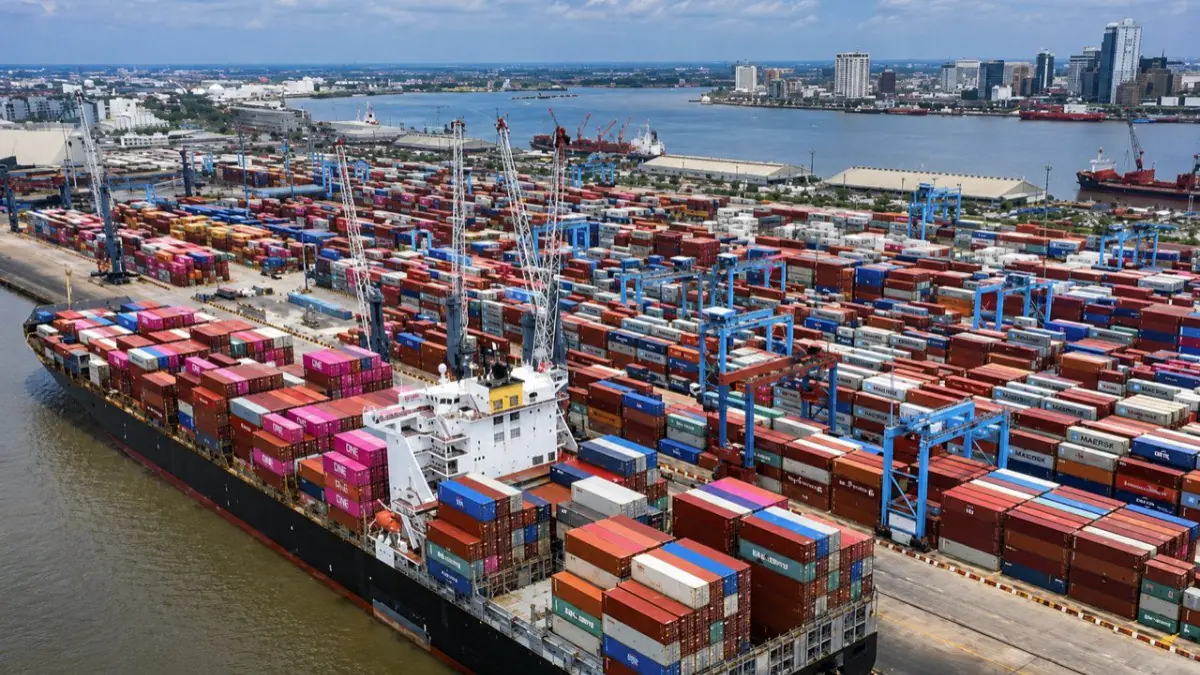
The Niger Delta region of Nigeria is home to immense marine resources that can be harnessed to boost the country's economy. A recent visit to the historic Burutu seaport, located on the Forcados River in the Niger Delta, highlights the potential of the blue economy in the region. The port, originally commissioned in 1887, served as a vital colonial trading post and major export hub for agricultural produce.
The Burutu seaport has a rich history, having been a significant player in Nigeria's colonial era. However, its operations declined significantly due to the Nigerian Civil War, which negatively impacted the region's economy. The port was later concessioned in 2023 to Akewa Colmar Terminal Limited to drive infrastructure upgrades and operationalisation. Efforts are underway to revive it and make it a major terminal for solid minerals and regional trade.
The European Union is providing technical support to the Sealink project, which seeks to connect coastal and inland waterways in Nigeria. The project aims to provide an opportunity to convey bulk cargo from Lagos through the coastal corridor to Burutu port, extending up the River Niger through Onitsha and onward to Ajaokuta. This initiative is part of the European Gateway, which seeks to mobilise investment finance and build sustainable infrastructure projects that connect Europe with the rest of the world.
The blue economy opportunities that will be triggered by the proposed rehabilitation and upgrade of the Burutu seaport are immense. The port's proximity to crude oil terminals in Forcados and Excravos makes it an ideal location for oil-bearing vessels and light barges to utilise the existing shipyard facility. Additionally, the port is positioned to provide improved traffic by supporting enhanced coastal cargo distribution to various coastal and inland ports.
A huge warehouse already exists at the dock to provide dockyard services for the repair and maintenance of light vessels. There is also an existing tank farm which was previously used for palm oil export, now being proposed for petroleum storage for both coastal and inland vessel usage. The port's upgrade will also be supported by a proposed 50-kilometre rail and road linkage to the existing road and rail network at the steel company in Warri.
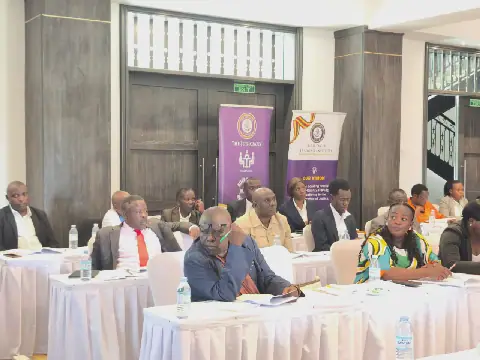
The delegation that visited the Burutu seaport also met with traditional rulers from the region, including His Royal Majesty Pere Bosu Dio, Ayamabulou 1, The Pere of Iduwini Delta Kingdom. The visit also included a trip to the Agge community at the bank of the Atlantic Ocean, highlighting the region's rich cultural heritage and its connection to the ocean.
The European Union's efforts to revive the Burutu seaport are part of a broader strategy to boost sustainable infrastructure in the region. Recently, the European Union mobilised 410 million Euros to finance Omi Eko, an ongoing urban mobility initiative targeted at transforming water transportation in Lagos State. The blue economy offers an alternative revenue source to oil for Nigeria's Niger Delta region, and the Burutu seaport is poised to play a significant role in this endeavour.
Key points
- The Burutu seaport has the potential to become a major terminal for solid minerals and regional trade.
- The European Union is providing technical support to the Sealink project to connect coastal and inland waterways in Nigeria.
- The blue economy offers an alternative revenue source to oil for Nigeria's Niger Delta region.