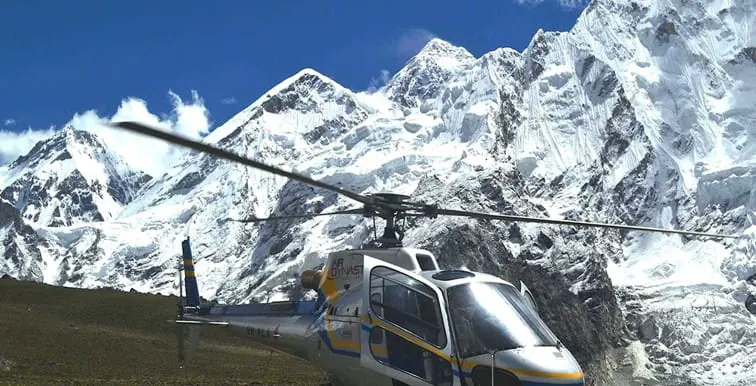
For those planning a trip to the Everest region, it's essential to understand the different options available. The three main options are the Everest base camp helicopter tour, the Everest base camp trek with a helicopter return, and Island Peak climbing. Each of these trips requires a different level of physical fitness, time commitment, and tolerance for discomfort. Understanding the unique characteristics of each option can help travelers make informed decisions.
The journey to the Everest region typically begins with a flight from Kathmandu to Lukla, followed by a walk up the Khumbu Valley. The trail passes through Namche Bazaar, Tengboche, Dingboche, and Lobuche before reaching Gorakshep and Everest Base Camp. Altitude plays a significant role in shaping the experience, with Namche Bazaar sitting at 3,440 meters and feeling like a different world. The landscape changes dramatically as travelers climb higher, with the scenery stripping down to rock, prayer flags, and glacier moraine.
Acclimatization is a critical aspect of any trip to high-altitude destinations. Above 3,000 meters, the body needs time to adjust to lower oxygen levels, and it's not optional, even for fit travelers. Headaches, fatigue, dizziness, and nausea are common symptoms of altitude sickness, and a well-planned itinerary should include acclimatization days and gradual elevation gain. This is particularly important for travelers who plan to engage in strenuous activities, such as climbing.
The Everest base camp helicopter tour is an ideal option for travelers with limited time or those who are not comfortable with multi-day walking. This experience offers a unique perspective on the Himalayas, with the terrain changing rapidly as the helicopter flies over the mountains. Families with a mix of ages often prefer this option, which allows them to see the sights without the need for extensive trekking.
However, the helicopter tour has its limitations. Travelers miss out on the gradual physical adjustment to altitude, conversations with lodge owners, and the changing vegetation. On the other hand, they gain time, which is a valuable commodity for many travelers. It's essential to carefully read the itinerary and understand what's included, as "seeing Everest" and "landing at Everest Base Camp" are not always the same.
The Everest base camp trek with a helicopter return offers a middle ground for travelers who want to experience the trail but don't want to walk back down. This option allows travelers to ascend to Base Camp on foot and then fly back to Kathmandu or Lukla, depending on the arrangements. This approach has a physical logic, as it eliminates the repetitive and knee-straining descent.
Travelers should be aware that a helicopter return is not guaranteed and may be affected by weather, aircraft availability, and landing conditions. It's crucial to build in a buffer day when booking this type of itinerary, rather than scheduling an international flight home for the same evening. Ultimately, each option has its unique characteristics, and travelers must choose the one that best suits their needs and preferences.
Key points
- Understanding the different options available for traveling to the Everest region is crucial for making informed decisions.
- Acclimatization is essential for travelers to high-altitude destinations to avoid altitude sickness.
- Each option, including the helicopter tour, trek with helicopter return, and climbing expeditions, requires a different level of physical fitness and time commitment.