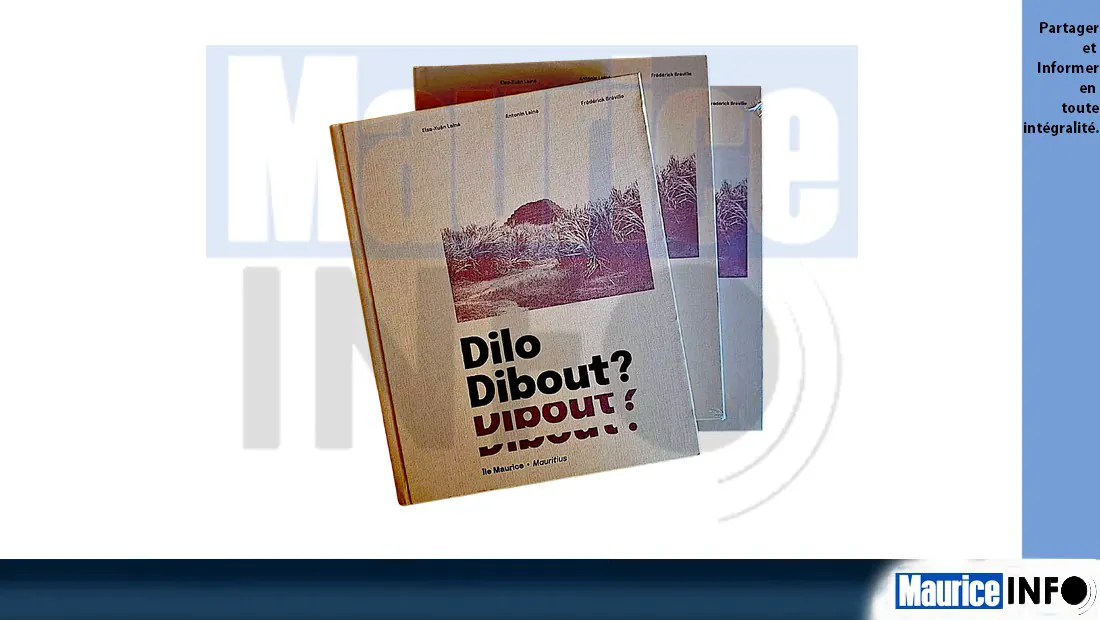
The "Dilo Dibout? Île Maurice. Mauritius" project is a photographic and geographical exploration of Mauritius' sugar cane industry. Launched in 2026, it brings together the work of two photographers, Antonin Lainé and Frédérick Bréville, and researcher Marie Lelièvre. Their goal is to document the transformations of the island's territories and the impact of sugar cane on its economy, social organization, and daily life. The project aims to create a visual memory of the island's sugar cane heritage.
The project highlights the significant role sugar cane has played in shaping Mauritius' economy and landscapes. The industry has faced new challenges in recent years, including economic, technological, and environmental changes. The project's photographs and accompanying book offer a nuanced look at the island's sugar cane territories in 2025/2026. They feature regions transformed by sugar cane cultivation, abandoned or repurposed industrial sites, and new industries emerging from sugar cane production.
The project's creators aim to provide a balanced perspective, avoiding nostalgia and promotionalism. The book and exhibition include portraits of people whose lives are closely tied to the history of sugar cane, as well as historical homes located in former sugar plantations. These elements showcase the architecture of the plantations and the people who worked on them. By doing so, the project seeks to create a valuable resource for those interested in Mauritius' agricultural and industrial history.
The "Dilo Dibout? Île Maurice. Mauritius" project is part of a larger tradition of public photographic missions. Its goal is to look at the island in a new light, reveal the invisible, and produce a visual memory for the future. The project's creators believe that this approach can help to preserve the island's cultural heritage and promote a deeper understanding of its history and evolution.
The project's photographs feature the three remaining active sugar factories in Mauritius: Omnicane, Alteo, and Terra. They also showcase new industries emerging from sugar cane production, such as the production of biofuels and other products. By documenting these changes, the project provides a unique perspective on the island's economic and industrial transformation.
The book "Dilo Dibout? Ile Maurice. Mauritius" is more than just a photographic and artistic project. It is a tool for preserving memories and a reference resource for those interested in the island's agricultural and industrial history. The project's creators hope that it will contribute to a greater understanding of the island's evolution and its cultural heritage.
The "Dilo Dibout? Île Maurice. Mauritius" project was launched on October 9, 2026, and is supported by the Institut Français de Maurice (IFM). The project's photographs and book offer a unique perspective on Mauritius' sugar cane legacy and its impact on the island's people and landscapes.
Key points
- The project showcases the impact of sugar cane on Mauritius' economy, social organization, and daily life.
- The project's photographs and book provide a nuanced look at the island's sugar cane territories in 2025/2026.
- The project aims to create a visual memory of the island's sugar cane heritage and promote a deeper understanding of its history and evolution.