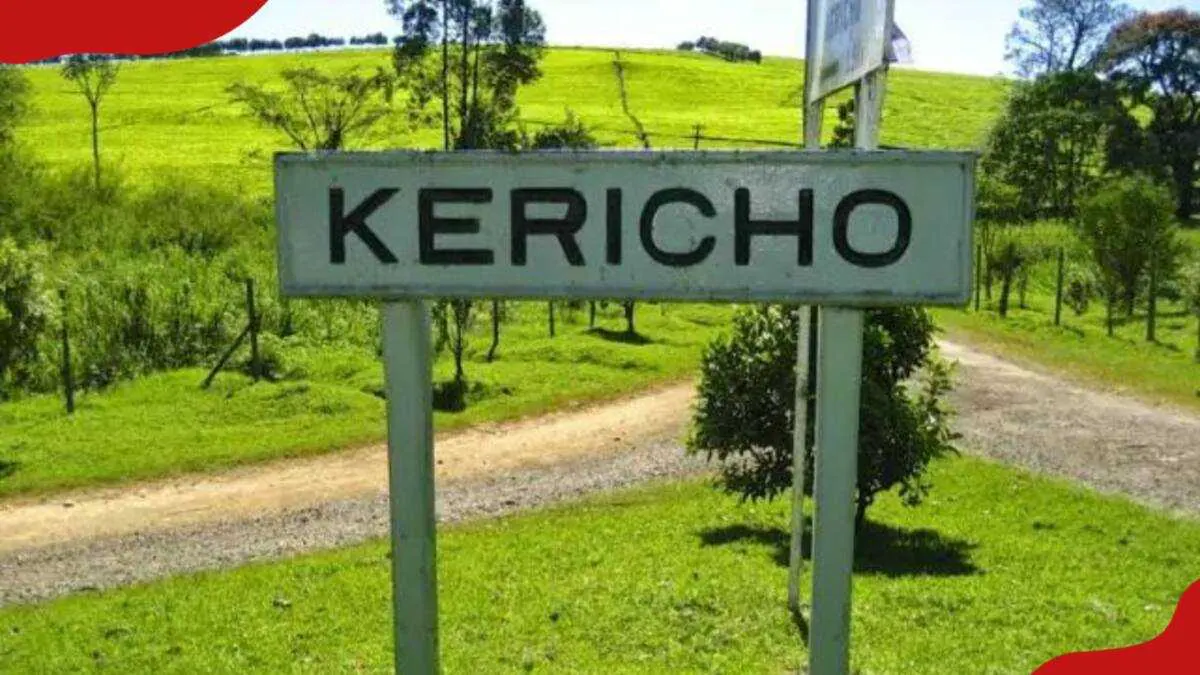
Kericho County, one of Kenya's 47 counties, is located in the Rift Valley region. It shares borders with Baringo, Uasin Gishu, Nakuru, Nandi, Bomet, Nyamira, and Kisumu counties. The county has a total population of 901,777, consisting of 450,741 males, 451,008 females, and 28 intersex persons. With 206,036 households and an average household size of 4.4 persons, the county has a population density of 370 people per square kilometer.
Kericho County is divided into six sub-counties: Ainamoi, Belgut, Bureti, Kipkelion East, Kipkelion West, and Sigowet-Soin. Each sub-county has its own distinct features and communities. Ainamoi sub-county, located in the northwestern part of the county, was established in 1997 and covers approximately 428 square kilometers. With a population of over 220,000, Ainamoi is known for its vast tea plantations and comprises six wards: Kapsoit, Ainamoi, Kipchebor, Kapkugerwet, Kipchimchim, and Kapsaos.
Belgut sub-county, situated in the southeastern part of Kericho County, was established in 1963 and covers an area of approximately 517 square kilometers. The sub-county has a population of over 150,000 and is popular for its agricultural activities, including tea and coffee farming. Belgut sub-county comprises five electoral wards: Kabianga, Waldai, Chaik, Seretut/Cheptororiet, and Kapsuser. Bureti sub-county, located in the western part of the county, is known for its scenic landscapes and tourist attractions, covering an area of approximately 320 square kilometers with a population of 199,470.
Kipkelion East sub-county, established in 2013, covers an area of approximately 372 square kilometers and has a population of over 80,000 people. The sub-county is known for its vast tea plantations, a significant contributor to the county's economy. Kipkelion East comprises four electoral wards: Tendeno, Londiani, Kedowa/Kimugul, and Chepseon. Kipkelion West sub-county, also established in 2013, covers an area of approximately 422 square kilometers with a population of over 100,000 people, and is known for its agricultural activities, such as tea farming.
Sigowet-Soin sub-county, created in 2013, borders Ainamoi, Bureti, Belgut, Nyakach, Muhoroni, and Nyando constituencies. The sub-county has a population of 126,500 and occupies an area of 466 square kilometers, comprising four wards: Sigowet, Kaplelartet, Soliat, and Soin. According to John Burugu, a devolution and governance expert, understanding the relationship between counties, sub-counties, and wards is crucial for effective service delivery under Kenya's devolved system of governance.
The devolved system of governance, introduced by the 2010 Constitution, transferred political power and prioritization of county planning and development to the county level. This system emphasizes public participation, enhanced accountability, and the need to ensure services reach every corner of the country. As Burugu explains, there is a direct relationship between leadership and development from the village, ward, sub-county to county level, making it essential for Kenyans to understand this structure.
In conclusion, Kericho County's six sub-counties, each with its unique characteristics and communities, play a vital role in the county's development. Understanding the sub-counties, wards, and population is essential for effective service delivery and governance. With a total population of 901,777 and a diverse range of sub-counties, Kericho County is working towards ensuring that services reach every corner of the county.
Key points
- Kericho County comprises six sub-counties: Ainamoi, Belgut, Bureti, Kipkelion East, Kipkelion West, and Sigowet-Soin.
- The county has a total population of 901,777, with 450,741 males, 451,008 females, and 28 intersex persons.
- Understanding the relationship between counties, sub-counties, and wards is crucial for effective service delivery under Kenya's devolved system of governance.