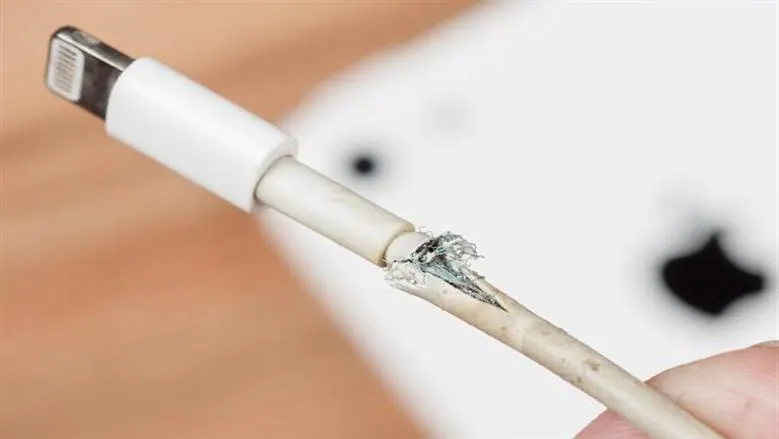
A recent report by the global website "asurion" has highlighted the importance of monitoring phone charging cables for signs of damage. With frequent use, charging cables can deteriorate, leading to potential risks to phone batteries and overall device performance. Experts warn that ignoring these signs can result in costly repairs or even render the device unusable. The report emphasizes the need for users to be vigilant and take proactive measures to ensure their charging cables are in good condition.
One of the primary indicators of a damaged charging cable is a loose connection. If the cable is not securely plugged into the phone's charging port or feels loose, it may be a sign of wear and tear. A properly functioning charging port should hold the cable firmly in place. If the cable can be easily pulled out or feels loose, it may indicate that the internal conductors are damaged or worn out. Users are advised to inspect their charging cables regularly for signs of physical damage.
Irregular charging patterns can also be a sign of a damaged charging cable. If a phone's battery charge fluctuates or only charges when the cable is held at a specific angle, it may indicate a problem with the cable or charging port. This issue is commonly experienced by users and can be caused by a variety of factors, including damaged cables or dirty charging ports. In some cases, a simple cleaning of the charging port may resolve the issue.
Slow charging is another common issue associated with damaged charging cables. If a phone's battery takes longer than usual to charge, it may be a sign that the cable is not functioning correctly. A damaged charging cable can reduce the flow of electricity to the battery, resulting in longer charging times. Users are advised to inspect their charging cables and consider replacing them if they are damaged or worn out.
Overheating during charging is a serious concern that should not be ignored. If the area around the charging port becomes excessively hot during charging, it may indicate a problem with the cable or charging port. Heat is often a warning sign that something is not functioning correctly, and ignoring it can lead to further damage or even a fire. Users are advised to take immediate action to address the issue and prevent potential risks.
Experts recommend that users take proactive measures to maintain their charging cables and prevent damage. Regular inspection of charging cables and ports can help identify potential issues before they become major problems. Users are also advised to avoid using damaged or worn-out charging cables, as they can cause further damage to their devices.
In conclusion, damaged phone charging cables can pose significant risks to device performance and battery life. By being aware of the signs of damage and taking proactive measures, users can prevent costly repairs and ensure their devices function safely and efficiently. The key points to look out for are: a loose connection, irregular charging patterns, slow charging, and overheating during charging.
Key points
- Damaged charging cables can cause battery damage and pose fire risks if not replaced promptly.
- Regular inspection of charging cables and ports can help identify potential issues before they become major problems.
- Users should avoid using damaged or worn-out charging cables to prevent further damage to their devices.