Experts in Nigeria have expressed concerns over the growing use of artificial intelligence, cyberstalking, and other digital tools to perpetrate gender-based violence against women and vulnerable individuals. The concerns were raised at a two-day training in Abuja organized by the Centre for Redefining Alternative Civic Engagement for Africa. The training aimed to strengthen members of the Feminist Digital Watch Collective, a network of survivors, advocates, researchers, and experts campaigning for safer digital spaces and stronger laws.
According to Evelyn Ugbe, Executive Director of RAISE Centre, the training is timely given the increasing cases of technology-facilitated gender-based violence in Nigeria. The organization's AI-enabled online gender-based violence tracker has recorded about 24,000 human-verified cases across five social media platforms since its launch two months ago. Ugbe emphasized that the cases were not merely generated by technology, but were human-verified to establish their authenticity.
Emerging forms of digital abuse include AI-generated deepfakes, online insults, misogyny, cyberbullying, and other forms of harassment that can force women and girls out of digital spaces. Ugbe noted that less than 34 percent of Nigerian women have access to online spaces, and if they are consistently attacked or bullied online, their digital footprint and opportunities will be eroded. The training aimed to equip members of the collective with the knowledge and skills required to understand emerging forms of online gender-based violence and advocate for better digital safety policies.
Ugbe called for greater accountability from technology platforms, arguing that the safety of women, girls, and other vulnerable users should be incorporated into the design of digital platforms. She emphasized that platforms should be "safe by design" rather than treating user safety as an afterthought. Ugbe also called for stronger collaboration among government agencies, schools, religious institutions, families, and civil society organizations to address the problem.
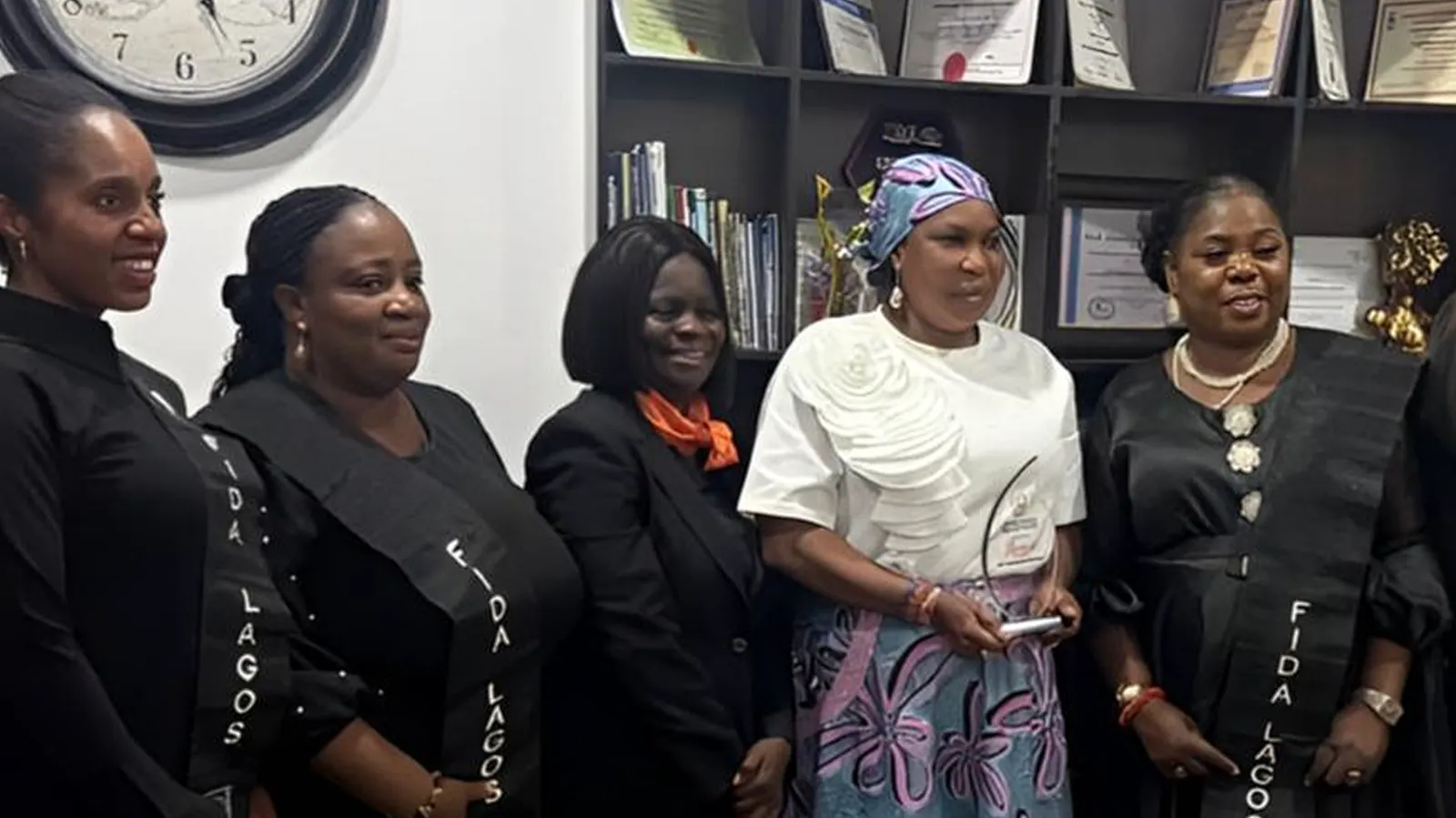
Dr. Chinenye Joy Mgbeokwere, Chairperson of the International Federation of Women Lawyers, noted that gender-based violence had increasingly shifted from the physical environment to the digital space. She identified cyberstalking, cyberbullying, identity theft, impersonation, and deepfake technology as some of the emerging forms of technology-assisted violence. Mgbeokwere emphasized that women were particularly vulnerable to these forms of violence.
Mgbeokwere noted that Nigeria already has laws that can be deployed against different forms of digital abuse, including the Cybercrimes Act 2015 and the Nigeria Data Protection Act. However, she emphasized that many cases were not reported or widely publicized, making it appear as though little action was being taken. Mgbeokwere called for increased public awareness and advocacy, urging victims to report cases to relevant government agencies or civil society organizations.
Emitomo Oluwatobiloba, a communication strategist, writer, and researcher, noted that men and boys also experience gender-based violence but often remain silent due to social expectations around masculinity. She emphasized that online gender-based violence is an extension of violence in the physical world, but digital platforms have made it easier for perpetrators to operate anonymously and repeatedly. Oluwatobiloba urged the government to hold major technology companies accountable for abuses committed through their platforms.
Key points
- Experts warn of growing threat of AI and cyberstalking to women's online safety in Nigeria.
- Training aims to equip members of Feminist Digital Watch Collective with knowledge and skills to address online gender-based violence.
- Experts call for greater accountability from technology platforms and stronger collaboration to address the problem.