The Libyan political scene is facing renewed challenges as disagreements over the 4+4 committee's outcomes and the division within the judiciary threaten to derail the country's electoral process. The committee, formed by the United Nations, aimed to bridge the gap between the House of Representatives and the State Council. However, the two bodies have failed to reach an agreement on key issues, including the National High Commission for Elections and electoral laws. This impasse has raised concerns about the feasibility of holding presidential and parliamentary elections.
The 4+4 committee's outcomes have been met with resistance, particularly from the State Council, which rejected the committee's proposals with 72 out of 92 members voting against them. This has led to a stalemate, with the UN mission attempting to facilitate dialogue and find common ground. Experts warn that the ongoing divisions and lack of consensus on crucial issues may lead to further delays or even the cancellation of the elections. The situation is further complicated by the presence of multiple institutions and actors, each with their own agendas and interests.
The judicial division in Libya has also emerged as a significant challenge. The establishment of a constitutional court in Benghazi has raised questions about the jurisdiction of the Supreme Court in Tripoli. This has created uncertainty about which institution will have the final say on electoral disputes. The issue has sparked concerns about the potential for disputes and challenges to the electoral process. Experts stress that a clear and unified judicial framework is essential for ensuring the integrity and credibility of the elections.
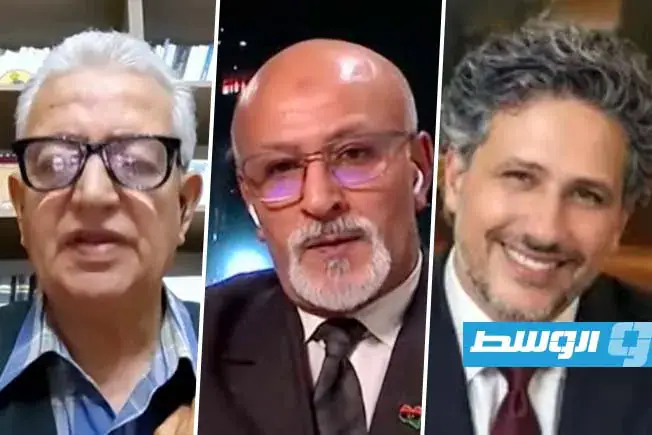
Analysts and experts have expressed differing views on the role of the UN mission in Libya. Some have questioned the mission's ability to effectively address the country's complex challenges, citing its limited mandate and resources. Others have emphasized the need for a more comprehensive approach that addresses the root causes of the crisis, including security, economic, and social issues. The experts agree that a sustainable solution will require a broad-based and inclusive dialogue that involves all stakeholders.
The country's economic situation has also been highlighted as a major concern. The ongoing disputes over the management of Libya's resources, including oil and gas, have led to shortages and price increases. The situation has been exacerbated by the lack of a unified government and the presence of multiple authorities controlling different parts of the country. Experts stress that addressing these economic challenges is crucial for restoring stability and improving the living conditions of Libyan citizens.
The experts also discussed the need for judicial reform in Libya. They emphasized that the current system is plagued by politicization and lacks transparency and accountability. The establishment of a constitutional court has been seen as a positive step, but its impact will depend on its ability to assert its authority and ensure the rule of law. The experts also highlighted the importance of addressing the issue of impunity and ensuring that those responsible for human rights abuses are held accountable.
In conclusion, the experts warned that the ongoing challenges in Libya, including the disputes over the 4+4 committee and the judicial division, pose significant risks to the country's electoral process. They stressed that a sustainable solution will require a comprehensive and inclusive approach that addresses the country's complex challenges, including security, economic, and social issues. The experts also emphasized the need for a unified and independent judiciary, as well as a broad-based and inclusive dialogue that involves all stakeholders.
Key points
- Disputes over 4+4 committee's outcomes and judicial divisions threaten Libya's electoral process
- Ongoing challenges require a comprehensive and inclusive approach to address security, economic, and social issues
- A unified and independent judiciary is essential for ensuring the integrity and credibility of Libya's elections