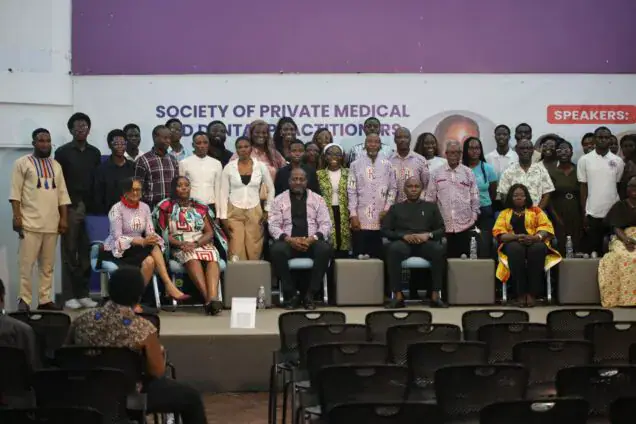
The Society of Private Medical and Dental Practitioners in Ghana has called for responsible social media use among young people, citing growing concerns about online risks. These risks include cyberbullying, online grooming, and sextortion, which can have serious consequences for mental health and well-being. The society's maiden public lecture, held at the British Council, brought together experts and students to discuss the impact of digital technology on young people.
Dr. Andre Kwasi Kumah, National President of the society, explained that the decision to organise the public lecture was to expand the organisation's engagement beyond medical issues to include social developments affecting the population. Although the society has been in existence since 1968, its activities have largely centred on health matters. Dr. Kumah acknowledged the benefits of social media but expressed concerns about its negative effects, including cyberbullying and low self-esteem.
Hilda Mensah, a Child Protection Specialist with UNICEF Ghana, warned that young people face several dangers online, including grooming, cyberbullying, and sextortion. These risks can lead to depression, suicidal attempts, and social isolation. Ms. Mensah urged young people to be more careful about their online activities and avoid using digital platforms to bully or humiliate others. She encouraged them to use the internet for learning, innovation, and personal development.
Ms. Mensah also reminded young people that their online activities can affect their future opportunities, as information posted on social media can remain accessible long after it is shared. She advised them to think carefully before posting anything online and ask themselves whether their content is useful, educational, or contributes to building a better society. "The internet never forgets," she cautioned.
Dr. Maud Adjeley Ashong Elliot, President of the Internet Society of Ghana, urged the public to develop responsible online habits, saying online etiquette is as important as conduct in everyday life. She warned that online activities can leave permanent records, making it difficult for users to erase inappropriate content once it has been shared. Dr. Ashong Elliot also raised concerns about excessive phone use and its effects on productivity, concentration, and sleep.
Dr. Ashong Elliot advised users to set boundaries around their online activities, avoid making their phones the last thing they engage with before sleeping, and take regular breaks from digital platforms. She also called on parents to take a more active interest in their children's online activities, warning that children can be exposed to harmful content at any time. Parental supervision should extend beyond what children do outside the home to include their activities on platforms such as YouTube and online gaming services.
The experts' concerns highlight the need for digital literacy and responsible online behaviour among Ghanaian youth. Key issues include the risks associated with online activities, the importance of digital citizenship, and the need for parents to monitor their children's online activities. By being aware of these issues, young people can maximise the benefits of social media while minimising the risks.
Key points
- Experts warn of growing digital risks to mental health and well-being among Ghanaian youth.
- Responsible online behaviour and digital literacy are crucial for maximising the benefits of social media.
- Parental supervision is essential to protect children from harmful online content.