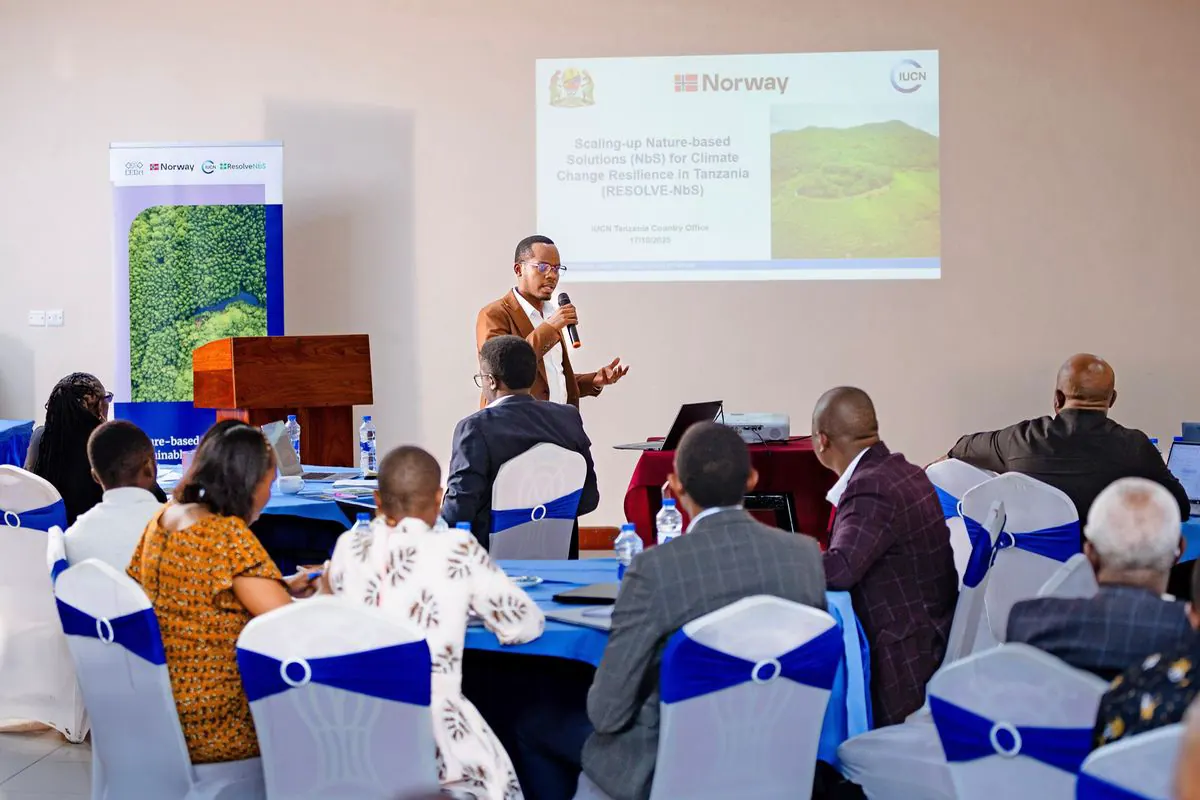
Conservation experts have warned that Tanzania needs to restore its natural ecosystems to reduce the impact of potentially heavy rainfall. The International Union for Conservation of Nature (IUCN) leads the 2025–2027 RESOLVE–NbS project in Iringa and Morogoro. Healthy wetlands, forests, watersheds, and soils can help mitigate extreme rainfall effects. IUCN Tanzania Programme Manager Anthony Mhagama emphasized building resilience before flooding occurs.
The Tanzania Meteorological Authority (TMA) released a rainfall outlook highlighting the need for resilience. Mhagama stated that healthy ecosystems absorb excess water, regulate river flows, and protect landscapes, infrastructure, and livelihoods. The RESOLVE–NbS project works with communities, local authorities, and partners to restore ecosystems and strengthen climate-resilient food systems. This initiative aims to generate evidence supporting wider planning and investment.
TMA Director General and Intergovernmental Panel on Climate Change Vice-Chair Dr. Ladislaus Chang’a warned of a strong El Niño influence on the 2026 Vuli season. Above-normal to normal rainfall is expected in several regions, including the Northern Coastal Zone and Lake Victoria Zone. Excessive soil moisture and flooding may affect crop production, agricultural infrastructure, and water facilities, increasing disease outbreak risks.
The forecast indicates that rains may begin between late September and early October in the Lake Victoria Zone, spreading in October and intensifying in November. Unseasonal rains may continue into January 2027. The private sector is being integrated into the RESOLVE–NbS initiative through CEOrt, which helps businesses assess ecosystem dependence and incorporate natural capital into risk management.
CEOrt Head of Projects Hawa Urungu noted that flooding can disrupt transport, production, and business operations. She emphasized treating nature as infrastructure to reduce exposure at its source. The project promotes measures like wetland restoration, watershed management, and agroforestry. Restored wetlands and natural drainage systems in Dar es Salaam can reduce pressure on municipal infrastructure.
Ecosystem restoration in agricultural and coastal areas can support food production, fisheries, and tourism. The initiative combines ecosystem restoration with early-warning information, land-use planning, and private-sector investment. This aims to strengthen Tanzania’s resilience to climate-related shocks. The project works to generate evidence supporting wider planning and investment in ecosystem restoration.
By integrating ecosystem restoration with climate-resilient practices, Tanzania can reduce the impact of heavy rainfall and build a more resilient future. The RESOLVE–NbS project and its partners are working to promote sustainable land use and management practices, ultimately supporting the country's long-term development goals.
Key points
- Tanzania needs to restore natural ecosystems to mitigate the impact of heavy rainfall.
- The 2025–2027 RESOLVE–NbS project aims to strengthen climate-resilient food systems and restore ecosystems.
- A strong El Niño is expected to influence the 2026 Vuli season, bringing above-normal rainfall to several regions.