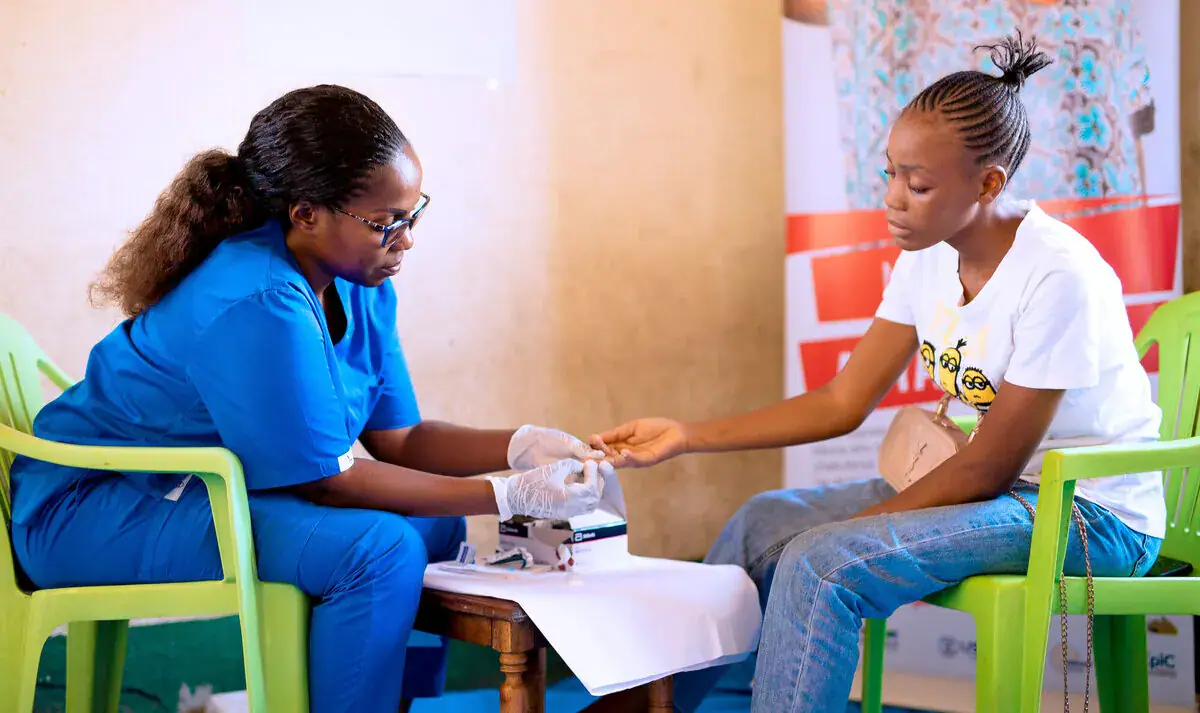
New HIV infections among adolescent girls in Zimbabwe are significantly higher compared to their male peers, with adolescent girls and young women remaining highly vulnerable to HIV. According to Unicef, new HIV infections occur at triple the rate of their male peers. This disparity raises concerns over the lack of empowerment of young girls and adolescent women, as well as socio-economic issues that drive the spread of HIV.
The National Aids Council (NAC) chief executive officer, Bernard Madzima, attributes the issue to socio-economic factors, including teenage pregnancies and inter-linkages. He notes that the traditional hotspots for HIV infections are among the most affected areas. Madzima emphasizes that a holistic approach is necessary to address these issues, which affect the empowerment of adolescent girls. He stresses that building resilience among young girls in all aspects is crucial to preventing teenage pregnancies and HIV infections.
Poverty drives young women to survival strategies, including early or transactional sex, to obtain basic needs such as food and gifts. According to the Community Working Group on Health (CWGH) executive director, Itai Rusike, early sexual debut, high rates of adolescent pregnancy, and peak HIV acquisition overlap significantly in older adolescent girls and young women. Rusike notes that leaving school early significantly multiplies the risk of both early pregnancy and HIV acquisition, while remaining in school acts as a protective barrier.
Restricted access to contraceptives and services, as well as cultural misconceptions, hinder access to reproductive health services for minors. Rusike cites deep-seated patriarchal norms, which dictate that men are solely responsible for sexual decision-making, as a major challenge. He emphasizes that empowering youths is not merely a social responsibility but a strategic investment for the future of society, national development, and economic prosperity.
Addressing teenage pregnancy requires a comprehensive approach that goes beyond focusing on individual behavior. Shamwari Ye Mwanasikana executive director, Ekenia Chifamba, notes that deliberate efforts are needed to prevent child marriage, address sexual and gender-based violence, strengthen child protection systems, and promote comprehensive sexuality education. Chifamba emphasizes that child marriage, sexual violence, and coercion are significant contributory factors to teenage pregnancy and increased vulnerability to HIV among adolescent girls.
Zimbabwe has made progress in integrating HIV testing, counselling, antiretroviral treatment, and prevention of mother-to-child transmission services into antenatal healthcare. However, Chifamba notes that the availability of these services does not necessarily guarantee that adolescent girls can access them consistently, confidentially, and without discrimination. According to the 2024 Global AIDS Update, 3,100 young women acquired HIV every week in 2023.
The issue of HIV risk among adolescent girls in Zimbabwe requires a multi-faceted approach that addresses socio-economic issues, empowers young girls, and provides access to reproductive health services. Experts emphasize that a holistic response is necessary to prevent teenage pregnancies and HIV infections, and that empowering youths is crucial for the future of society, national development, and economic prosperity.
Key points
- New HIV infections occur at triple the rate among adolescent girls compared to their male peers in Zimbabwe.
- Poverty drives young women to survival strategies, including early or transactional sex, which increases their risk of HIV acquisition.
- A holistic approach is necessary to address the socio-economic issues that drive the spread of HIV among adolescent girls in Zimbabwe.