Nigeria's Federal Government generated a record N33 trillion in revenue between January and October 2026, but economic and financial experts have warned that the country must significantly increase its earnings to tackle its huge public debt and fund development projects. The experts, who spoke to The Sun, said the government must expand its revenue base, improve spending efficiency, block leakages, and reduce dependence on borrowing to create enough resources for economic development.
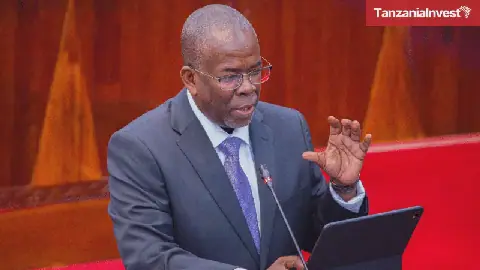
Finance Minister and Coordinating Minister of the Economy, Taiwo Oyedele, attributed the revenue improvement partly to digital tax administration and electronic invoicing. Oyedele called for greater investment in Nigeria's digital infrastructure to strengthen economic competitiveness and government revenue mobilisation. The minister said the performance demonstrated the potential of technology to improve revenue administration, strengthen compliance, and increase efficiency across government institutions.
National President of Progressive Association of Shareholders of Nigeria, Boniface Okezie, said the N33 trillion figure required closer examination, particularly regarding how much was available to the Federal Government after revenue sharing. Okezie stated that revenue collected across the federation is not necessarily revenue retained by the Federal Government. He added that Nigeria needed to expand its tax base rather than simply increase tax rates, eliminate institutional leakages, and improve crude oil production and earnings.
Head of Research at FSL Securities, Chiazor Victor, cautioned that efforts to raise revenue must not create additional pressure on businesses and households already struggling with economic challenges. Victor said the priority should be to expand productive economic activity, encourage investment, improve compliance, and ensure that the government captures a fair share of the value generated. He also stressed the need for expenditure accountability.
Chief Economist, SPM Professional, Paul Alaje, said the government must move beyond celebrating revenue collection figures and demonstrate measurable improvements in fiscal sustainability. Alaje queried that what makes a country attractive to investors, respected by the international community, trusted by its citizens, and admired by the rest of the world. He added that Nigeria possesses enormous assets, but the critical question remains how to translate these assets into a compelling and sustainable national identity.
Immediate Past National President of the Chartered Institute of Taxation of Nigeria, Samuel Agbeluyi, said the country must intensify revenue generation despite the N33 trillion earnings to meet its financial obligations and create room for development spending. Agbeluyi described the revenue performance as encouraging but warned against interpreting it as a reason to relax efforts to improve earnings. He urged the government to explore more opportunities to expand its revenue base rather than depend excessively on borrowing.
Nigeria's total public debt stood at approximately N166.79 trillion as of June 2026, according to the Debt Management Office. The International Monetary Fund's June 2026 assessment projected that Federal Government interest payments would consume about 53.7 per cent of its revenue in 2026. This means more than half of the government's revenue will go towards debt servicing, highlighting the need for the government to boost its earnings.
Key points
- Experts warn that Nigeria's fiscal challenges have not been resolved despite the record N33 trillion revenue.
- The government must expand its revenue base, improve spending efficiency, and reduce dependence on borrowing.
- Nigeria's huge public debt and rising interest payments require a significant increase in earnings to fund development projects.