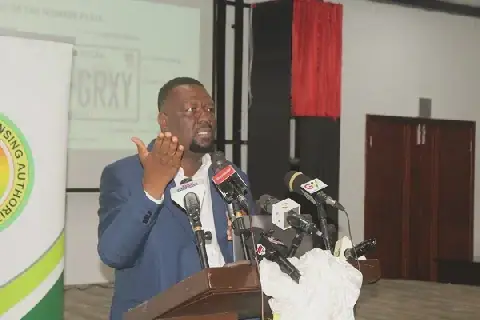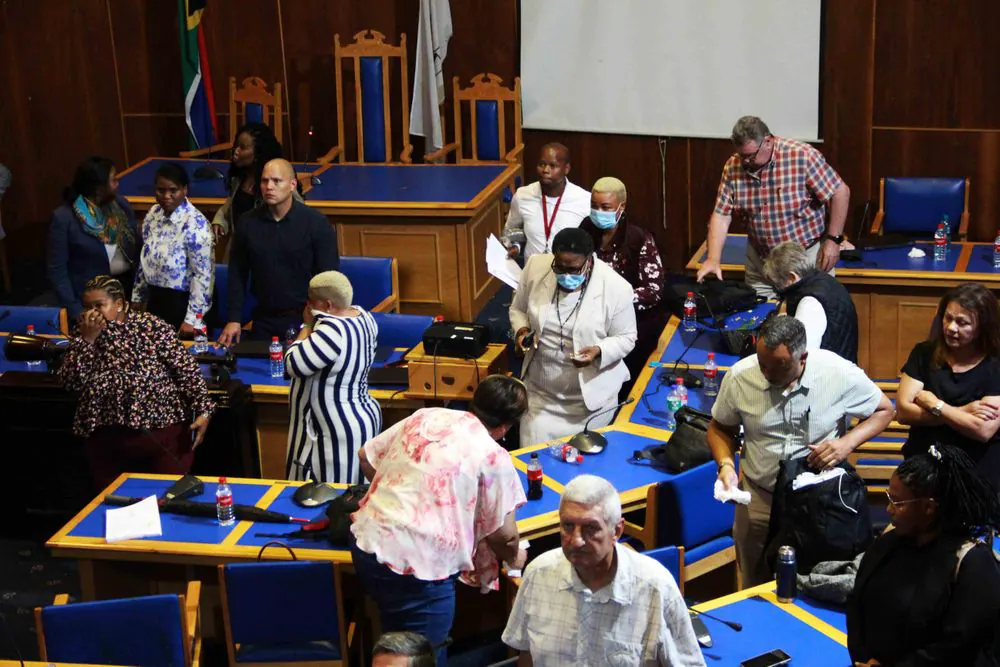
As South Africa prepares for local elections in November, experts and Members of Parliament are urging the South African Local Government Association (Salga) to intensify its training of councillors. This move aims to professionalise the local government sphere. Salga CEO Sithole Mbanga informed MPs that while the entity is ready to capacitate incoming councillors, it faces a significant challenge: a lack of adequate resources.
Salga's primary source of funding is R40m from the Department of Cooperative Governance and Traditional Affairs (Cogta). Mbanga stressed that this limited budget hampers their ability to effectively train councillors. He mentioned that Salga has seven strategic capacity-building priorities, including governance, leadership, financial management, infrastructure, and service delivery. These areas are crucial for the effective functioning of municipalities.
Experts agree that continuous professional development for councillors is essential. Prof Zwelinzima Ndevu from Stellenbosch University's school of public leadership emphasised that councillors need to understand their mandate and play an effective oversight role. They must monitor plan implementation, ensure alignment with community needs, and manage funding. Ndevu criticised Salga's current approach, stating that it only provides induction training at the beginning of councillors' terms, with little follow-up.
Ndevu acknowledged that Salga has plans for development and portfolio training for councillors. This training is designed to focus on specific portfolios, such as finance. However, experts argue that this is not enough. Dr Harlan Cloete from the University of Free State, who has conducted inductions for Salga, noted that the learning curve for councillors is extremely high due to the complex and politicised nature of local government.
Cloete stressed that councillors require stronger oversight and financial management skills. He proposed that councillors be included in the work skills plan, as stipulated by the Skills Development Act. This would ensure that training and development are not only for employees but also for councillors, enabling them to perform their oversight roles effectively.
The current induction process for councillors includes a five-day programme that covers relevant laws, roles, and responsibilities. However, experts argue that this is insufficient. Continuous training is necessary to equip councillors with the skills needed to oversee municipal functions. Salga's resource constraints hinder its ability to provide comprehensive training, highlighting the need for increased funding or alternative solutions.
The call for continuous training of councillors comes as Salga prepares to onboard new municipal councillors in December and January. Experts and MPs agree that professionalising local government is crucial for effective service delivery and community development. Increased focus on councillor training is seen as a critical step towards achieving this goal, ensuring that local governments are equipped to address the needs of their communities effectively.
Key points
- Salga faces a significant challenge in training councillors due to limited resources, receiving only R40m from the Department of Cooperative Governance and Traditional Affairs.
- Experts stress the need for continuous professional development for councillors to enhance their oversight and financial management skills.
- The current induction process for councillors is deemed insufficient, highlighting the necessity for ongoing training and support.