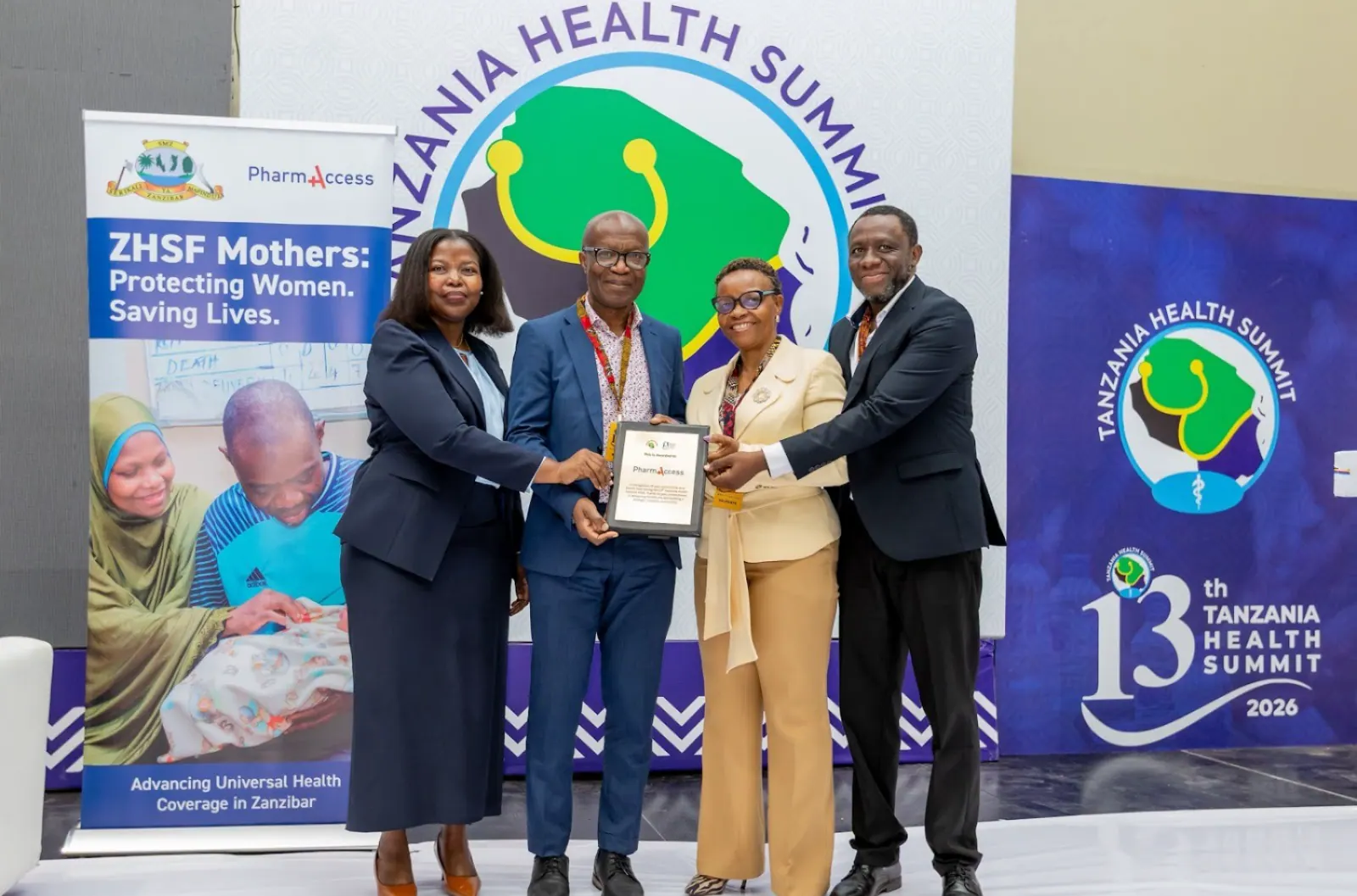
Health experts have emphasized the need for a sustainable government financing pathway to ensure poor and high-risk pregnant women in Zanzibar receive timely and quality care throughout pregnancy, delivery, and the postnatal period. This call was made during a panel discussion at the 13th Tanzania Health Summit, where experts reviewed early evidence from the Zanzibar Health Services Fund (ZHSF) Mothers Care demonstration model. The discussion highlighted the importance of stronger integration of health and digital systems and better use of existing resources.
World Health Organisation (WHO) Health Financing Expert, Ms Regina Ndakidemi, stressed that the government should establish a clear pathway for incorporating vulnerable populations into its health financing architecture. This would help ensure interventions targeting pregnant women remained sustainable beyond individual projects. Ndakidemi emphasized that a clear path would enable the government to prioritize and reduce maternal deaths.
PharmAccess Zanzibar Interim Programme Director, Ms Jonia Swakea, called for stronger collaboration between ZHSF and PharmAccess to maximize evidence generated through the Mothers Care project and inform future maternal health interventions. She also urged the government to consider a specialized maternal care package covering the entire maternal health journey, while strengthening digital systems to track mothers and identify gaps in services.
Swakea emphasized that having a customized maternal care package covering the maternal care journey would help meet pregnant women’s needs effectively. She also highlighted the importance of effective digital tracking in identifying service gaps early, improving quality of care, and ultimately saving more mothers and babies.
Sanofi Health Unit Medical Doctor-Global Lead, Dr Joseph Muga, cautioned against treating inadequate funding as the only obstacle to improving maternal healthcare. He emphasized that health systems could achieve significant gains by reducing wastage, strengthening linkages and planning, preventing medicine stock-outs, and improving the availability and use of data.
The ZHSF project, jointly financed by PharmAccess and the Ministry of Health Zanzibar, began in May 2024 and targets 5,000 pregnant women from poor households over two years. Eligible women include those from poor households and those with high-risk conditions such as pre-eclampsia, previous Caesarean sections, anaemia, and other obstetric complications.
The 13th Tanzania Health Summit, held under the theme “Building Health Sovereignty and Strengthening Health Systems in a Changing Global Order,” brought together experts to discuss critical health issues. The summit, which began on October 5, aimed to promote health sovereignty and strengthen health systems in the face of global changes.
Key points
- Experts call for sustainable government financing for poor and high-risk pregnant women in Zanzibar.
- A clear pathway for incorporating vulnerable populations into health financing architecture is necessary.
- Effective digital tracking can help identify service gaps and improve quality of care.