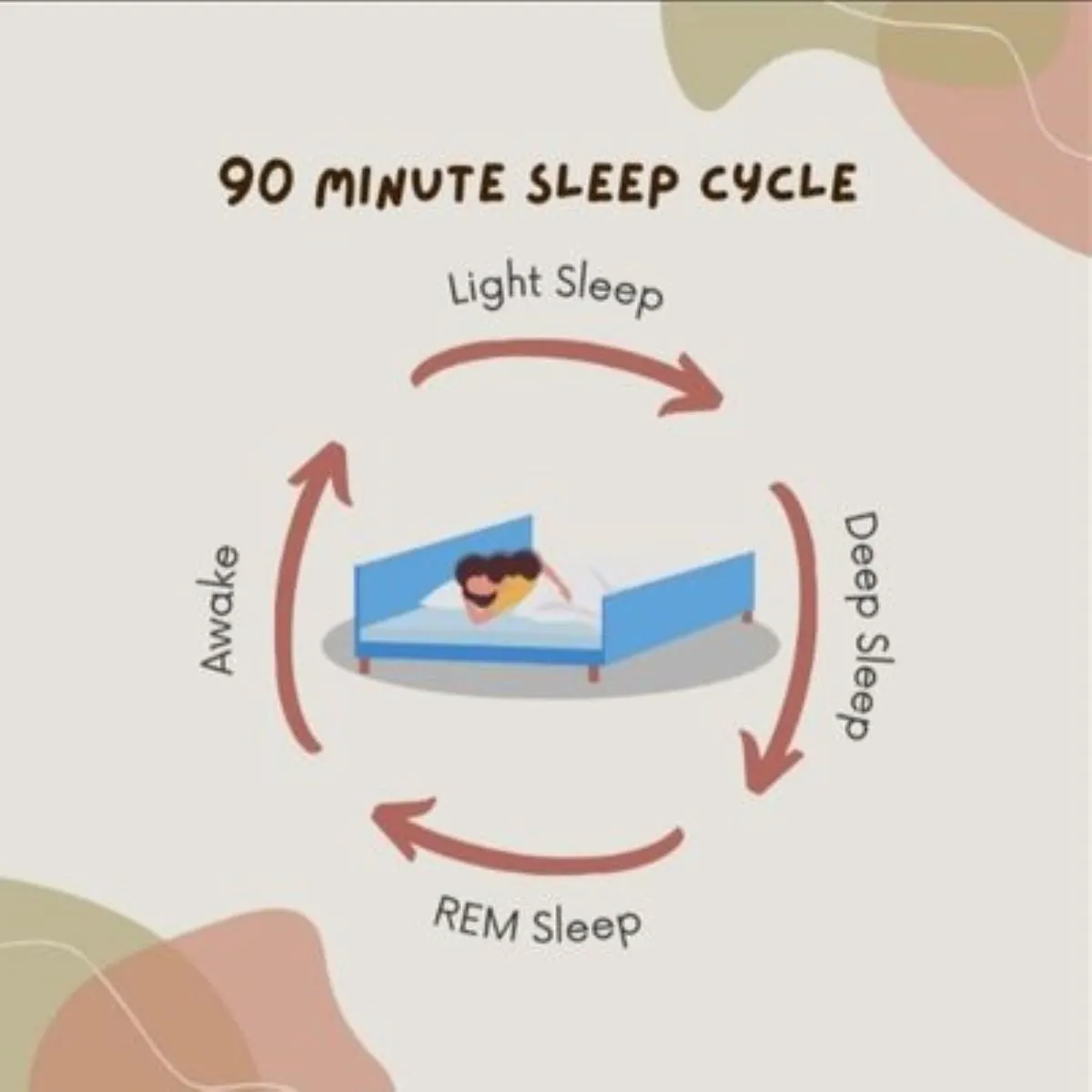
For many busy executives, transitioning from a demanding workday to sleep can be challenging. Emails, meetings, deadlines, and unfinished tasks can keep the mind active long after work has ended. To address this issue, experts suggest using the final 90 minutes before bedtime as a structured wind-down period. This approach involves gradually reducing activity and creating conditions suitable for sleep. By doing so, individuals can create a clear separation between work and rest, leading to better sleep quality.
The 90-minute wind-down routine begins 90 minutes before bedtime, where individuals should end their working day. This involves closing laptops, putting away work documents, and stopping work emails unless absolutely necessary. Writing down unfinished tasks, important reminders, and the first things to handle the following morning can help prevent repetitive thinking about work-related issues once in bed. This step is particularly useful for people whose work follows them home through their phones and laptops.
The next step, 60 minutes before bed, involves reducing screen use. Phones, tablets, televisions, and computers can keep the mind engaged, while bright light in the evening can affect the body's sleep-wake rhythm. Instead, use this period for quiet time and avoid bright artificial light from devices. A physical book or another relaxing activity can replace screen time. If necessary, silence unnecessary notifications while allowing essential calls to come through.
Preparing the bedroom 45 minutes before bed is also crucial. Keep the room cool, quiet, and dark to make it comfortable for sleep. Excessive heat, noise, and bright light can make the sleeping environment less comfortable. There is no universal requirement for a specific temperature, but the goal is to avoid excessive heat and create a comfortable temperature. Good ventilation, a fan, or air conditioning may help in hot environments.
Taking a warm bath or shower 30 minutes before bed can be part of a relaxing bedtime routine, signaling the end of the active part of the day. This activity does not have to be complicated; the purpose is to move gradually away from work and stimulation towards a calmer state. After the shower or bath, avoid returning to work or opening the laptop again.
Avoiding a heavy meal 20 minutes before bed is also recommended. Going to bed immediately after a large meal can cause discomfort and make it harder to settle down. Instead, opt for a light snack if hungry. This is particularly relevant for executives whose schedules cause them to eat dinner late. Avoid making a heavy meal the final major activity before sleep.
Finally, avoiding alcohol as a sleep aid is essential. Although alcohol can initially make someone feel sleepy, it can interfere with sleep quality and make waking during the night more likely. By following this 90-minute wind-down routine, individuals can improve their sleep quality and create a firm boundary between professional responsibilities and personal time.
Key points
- A 90-minute pre-sleep routine can help improve sleep quality by gradually reducing activity and creating conditions suitable for sleep.
- The routine involves reducing screen use, preparing the bedroom, and engaging in relaxing activities.
- Avoiding heavy meals and alcohol before bedtime is also crucial for better sleep.