The 98th Strategic and Technological Council (CST) of the African Association for Water and Sanitation (AAEA) has convened in Djibouti, a country facing severe water scarcity. The meeting, which runs until November 17, brings together experts and operators from across Africa to discuss innovative solutions to the continent's growing water and sanitation crisis. The theme of the meeting is "Innovative Solutions for Sanitation and Water Security in Africa."
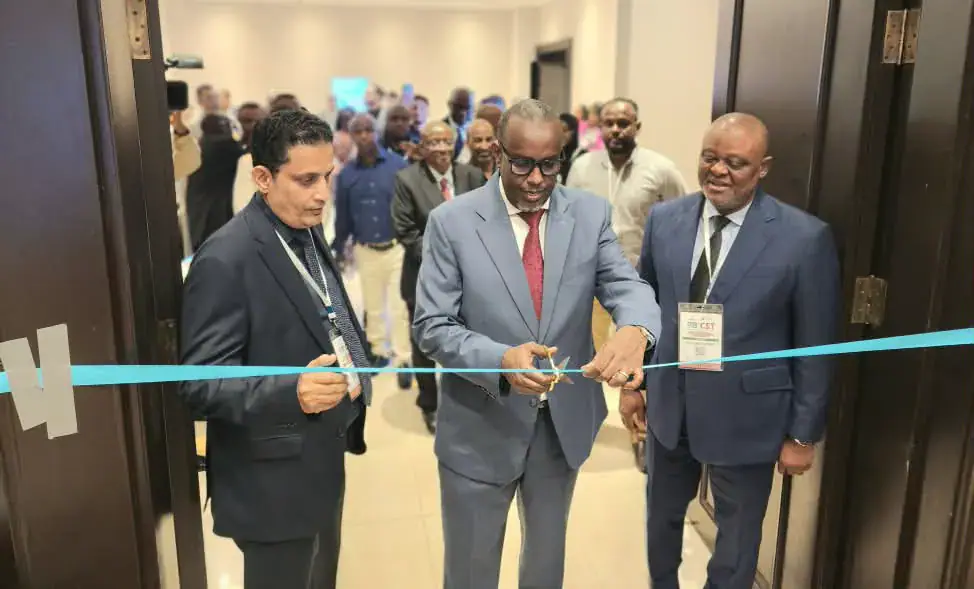
The conference was opened by Djibouti's Minister of Agriculture, Water, Fisheries, Livestock, and Marine Resources, Radwan Abdillahi Bahdon, alongside Mahmood Lutaaya, president of the CST, Olivier Gosso, executive director of the AAEA, and Mohamed Fouad Abdo, general director of the National Water and Sanitation Office of Djibouti (ONEAD). The meeting focuses on technology, including seawater desalination coupled with renewable energy, and the digitalization of water networks through the Internet of Things.
Participants are discussing ways to address the pressure on Africa's water resources, exacerbated by climate change, rapid urbanization, and population growth. The AAEA's eight specialized groups are participating in the meeting, covering topics such as data and innovation, reducing water losses, climate change, sanitation, financing, water quality, and rural hydraulics.
The meeting aims to bring together innovations and concrete needs of water operators, who often face aging networks and limited budgets. Djibouti was chosen as the host country due to its experience in securing water supply through desalination and renewable energy, which will serve as a case study during the three-day meeting.
The conference program includes a forum for affiliated members and a roundtable discussion on strategic dialogue. Organizers hope to identify concrete actions for more efficient, resilient, and accessible water services. The meeting brings together leaders of public water companies, regulators, researchers, and donors.
Djibouti, one of the driest countries in Africa, has limited natural freshwater resources. The country has invested in desalination and renewable energy to secure its water supply. The AAEA's efforts aim to support African countries in addressing their water and sanitation challenges.
The meeting's outcomes are expected to contribute to the development of innovative solutions for Africa's water and sanitation crisis. The AAEA's work focuses on supporting its member countries in improving their water and sanitation services, with a focus on sustainability and resilience.
Key points
- The conference focuses on innovative solutions such as seawater desalination, digitalization of water networks, and reuse of treated wastewater.
Reporting sources
- Eau et assainissement : l'Afrique cherche des solutions à Djibouti · agence djiboutienne d'information