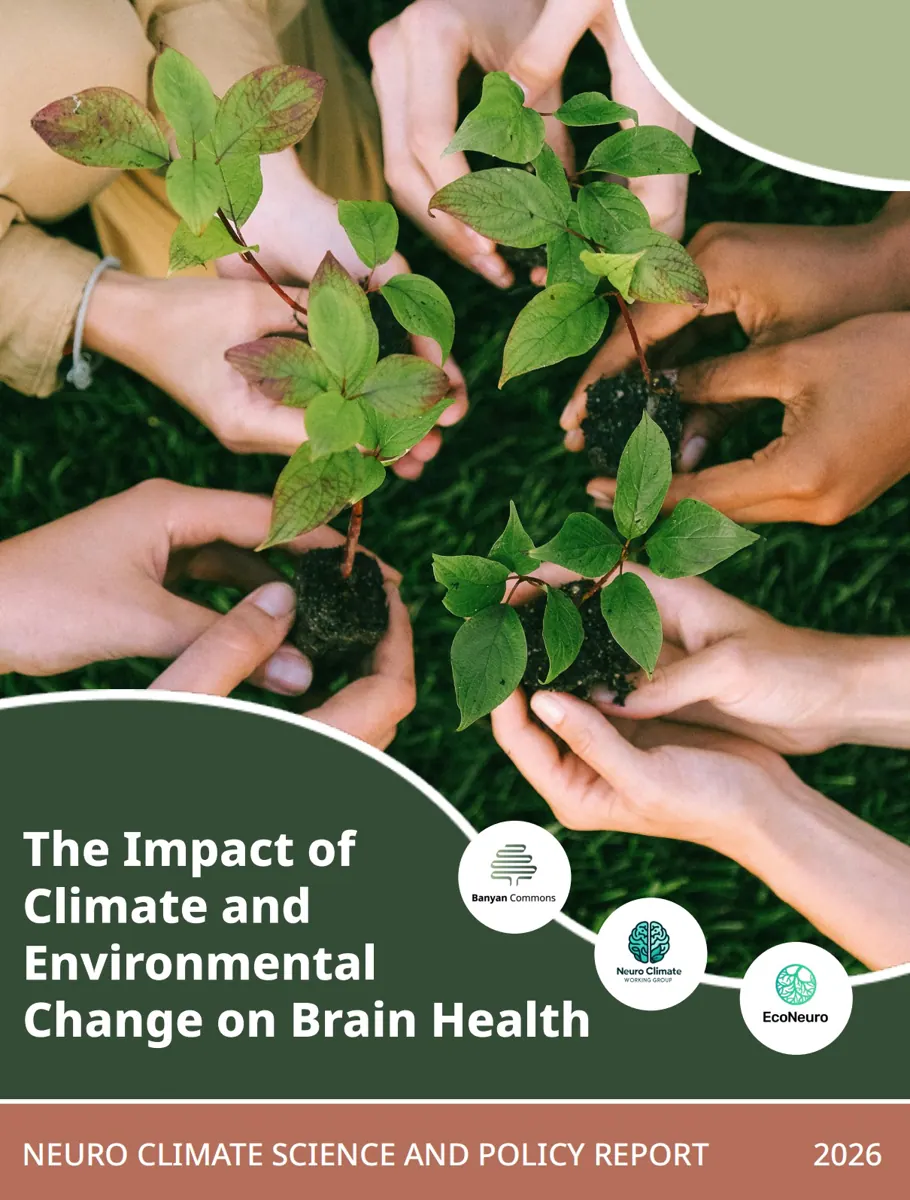
A recent report by the Neuro Climate Working Group (NCWG) examines the impact of climate change and environmental shifts on brain health. Released on the sidelines of the United Nations summit on September 24, 2026, the report consolidates over two years of research, expert reviews, and contributions from the NCWG community, international experts, and case studies. The comprehensive document aims to synthesize available scientific data on how environmental exposures related to climate change affect neurological health, mental well-being, cognitive functions, neurodevelopment, and cerebral aging.
The report introduces the Neuro-Climate Framework, outlining key research directions and providing a roadmap for action. According to Burcin Ikiz, PhD, Founder and Chair of the International Neuro Climate Working Group, the committee aimed to bridge the gap between scientific research and actionable policies. The report gathers scientific data, lived experiences, youth perspectives, expert analyses, and global case studies, prioritizing insights from low- and middle-income countries and communities heavily impacted by climate change.
The effects of climate change on brain health are multifaceted, with environmental factors such as air quality, food and water consumption, temperature exposure, natural disasters, and community influences shaping cerebral development, cognitive functions, mental well-being, neurological health, and healthy aging. As climate change transforms these environmental factors, it, in turn, affects brain health in ways that are only beginning to be understood.
The NCWG was established to address the need for a collaborative, interdisciplinary approach to understanding climate change's impact on brain health. The group seeks to build a global community that connects science to policy, lived experience, education, and action. By integrating diverse perspectives, the report aims to accelerate the development of solutions and emphasize the interconnectedness of brain health and environmental protection.
Key recommendations from the report include the development of a Neuro-Climate research program and a roadmap for Neuro-Climate action, providing practical guidance for researchers, policymakers, healthcare professionals, educators, communities, individuals, and international organizations. The report's findings highlight that measures to mitigate climate change, such as improving air quality and creating resilient healthcare systems, also contribute to protecting and promoting brain health.
The report's release is timely, as it coincides with growing concerns about the health impacts of climate change. By placing brain health at the forefront of climate discussions, the NCWG hopes to inspire action and collaboration across disciplines and borders. The report's emphasis on the interlinkages between brain health, climate change, and sustainable development underscores the need for a comprehensive approach to addressing these pressing global challenges.
Dr. Sissa, a Mauritanian psychiatrist and member of the American Psychiatric Association (APA) and Climate Psychiatry Alliance (USA), is among the experts contributing to the report. The document is expected to serve as a valuable resource for stakeholders working towards a healthier, more resilient future. By highlighting the critical connections between brain health, climate change, and environmental protection, the report aims to inform and inspire action.
Key points
- The report emphasizes the need for interdisciplinary collaboration to address the impact of climate change on brain health.
- The Neuro-Climate Framework and research program aim to guide future studies and policy actions.
- Measures to mitigate climate change, such as improving air quality, can also protect and promote brain health.