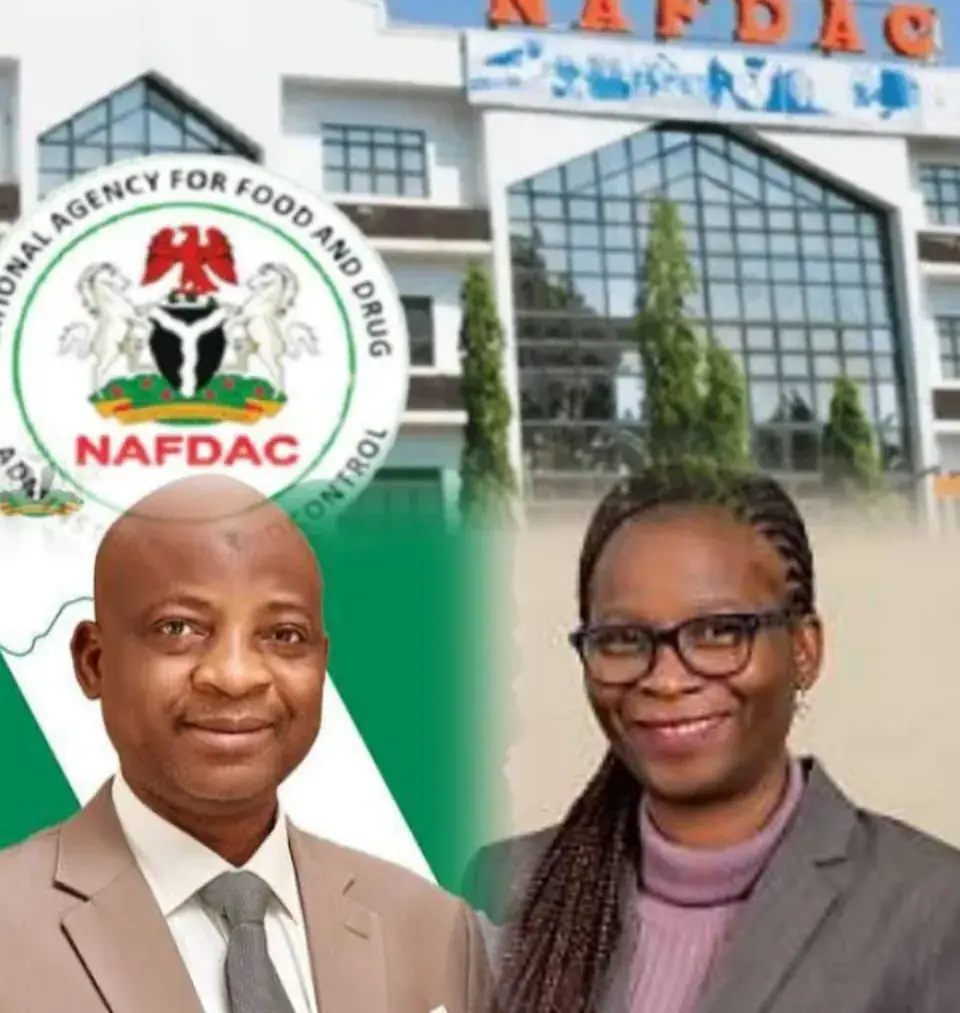
Experts in Nigeria are advocating for far-reaching reforms in the country's food safety system, citing the need for a more coordinated approach to tackle the menace of fake, contaminated, and adulterated food products. Professor Lateef Sanni, Executive Director and Chief Executive Officer of the Nigerian Stored Products Research Institute (NSPRI), and environmental toxicologist, Professor Beatrice Opeolu, have called for a reassessment of the regulatory structure of the National Agency for Food and Drug Administration and Control (NAFDAC). They argue that the existing system is inadequate to address the complexity of food safety challenges in Nigeria.
The two experts made their submissions at the fifth edition of the ValidViewNetwork Monthly Global Discourse, themed 'Poison on the Plate: Confronting Nigeria's Epidemic of Fake and Adulterated Food Items'. They emphasized that protecting Nigerians from unsafe food requires a more coordinated system, where scientific expertise, regulatory authority, and enforcement responsibilities are properly aligned. Sanni and Opeolu argued that deliberate food contamination should be treated as a grave offence, comparable to terrorism, and that offenders should face severe penalties.
Sanni called for the unbundling of NAFDAC, questioning whether its existing professional composition and broad regulatory responsibilities adequately reflect the multidisciplinary demands of modern food safety management. He noted that the agency's pharmaceutical orientation may not be sufficient to address the complexities of food safety, which requires the expertise of food scientists, microbiologists, environmental toxicologists, analytical chemists, nutritionists, and public health professionals. Opeolu's environmental toxicology perspective supported Sanni's position, highlighting the need for a more comprehensive approach to food safety.
The experts stressed that food safety begins with agricultural production and continues through harvesting, processing, preservation, storage, transportation, distribution, and consumption. At each stage, different hazards may arise, ranging from microbial contamination and chemical residues to unsafe preservation methods and deliberate adulteration. They emphasized the need for a regulatory system capable of drawing effectively on these different disciplines to identify hazards, investigate contamination, and assess risks to consumers.
The Federal Government has been urged to consider an independent review of NAFDAC's professional composition, statutory responsibilities, operational effectiveness, and relationship with other institutions involved in food safety. The experts argued that such a review would need to determine whether unbundling, clearer functional separation, or other institutional reforms would deliver better regulatory outcomes. They also drew attention to the challenge of overlapping institutional responsibilities, advocating for clearly defined mandates and stronger coordination among relevant agencies.
Opeolu's expertise in environmental toxicology highlighted the need to examine the pathways through which hazardous substances enter food and ultimately expose consumers. Sanni's emphasis on food processing, preservation, and post-harvest management complemented this perspective, highlighting the need to prevent contamination and deterioration during handling, storage, and distribution. Together, their submissions pointed to the importance of connecting environmental monitoring, agricultural practices, food processing, laboratory analysis, and regulatory enforcement.
The discourse also examined reported cases and practices that illustrate the range of food safety concerns facing Nigerian consumers. Sanni cited reports of palm oil adulteration involving azo dyes and other potentially hazardous contaminants, as well as concerns about cassava products, including fufu, and allegations that detergents or bleach had been used to accelerate fermentation. The experts' submissions underscored the need for a more effective regulatory framework to address these challenges and ensure the safety of Nigeria's food supply.
Key points
- Experts call for a reassessment of NAFDAC's regulatory structure and severe penalties for food adulteration.
- Food safety requires a multidisciplinary approach, involving scientific expertise, regulatory authority, and enforcement responsibilities.
- Deliberate food contamination should be treated as a grave offence, comparable to terrorism.