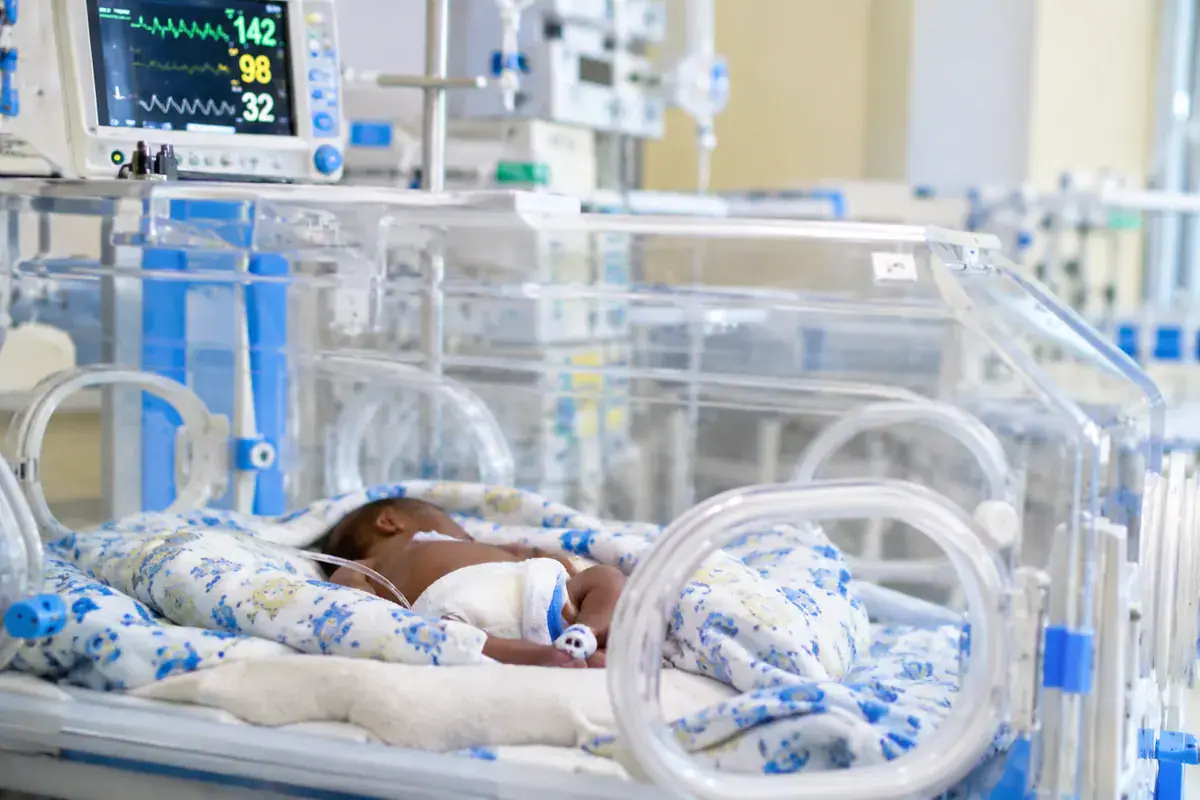
Improving newborn survival in Tanzania requires more than just expanding health facilities. Experts are calling for better coordination between maternity and neonatal units, regular training of healthcare workers, and greater use of data to identify gaps in patient care. These recommendations emerged during the Third National Reproductive, Maternal, Newborn, Child, Adolescent Health and Nutrition Conference, which brought together over 2,000 participants from different professional backgrounds.
The conference provided an opportunity for experts to exchange evidence on effective interventions, identify persistent challenges, and build on Tanzania's progress in maternal and newborn healthcare. Professor Emeritus of Paediatrics and Child Health at Muhimbili University of Health and Allied Sciences, Prof Karim Premji Manji, emphasized the importance of political commitment in accelerating implementation. He cited President Samia Suluhu Hassan's role as the African Union Champion for Maternal and Child Health as a key example.
Prof Manji noted that Tanzania's experience in expanding emergency medical services demonstrated how political commitment, combined with a recognized need for intervention, could help accelerate improvements in healthcare delivery. The development of emergency medicine services since 2010 was cited as an example of how the country had responded to gaps in its health system. However, experts also highlighted weaknesses in the delivery of care, particularly during labor and immediately after birth.
Paediatrics and child health specialist at Muhas, Prof Nahya Salim, emphasized that newborn survival was closely linked to the quality of care provided to mothers during pregnancy and childbirth. She called for stronger integration between maternity and neonatal services, noting that complications affecting mothers during labor could also have consequences for newborns. Prof Salim also advocated for real-time dashboards to help managers and healthcare workers identify service delivery gaps.
Medical doctor and senior researcher, Dr Benjamin Kamala, identified inadequate communication, delayed decision-making, and weak teamwork among healthcare workers as additional challenges that could compromise safe delivery and newborn care. He advocated regular, structured simulation-based training to help health workers respond effectively to emergencies, particularly during labor and delivery. Dr Kamala also called for the use of facility-level data to design training programs around specific weaknesses.
The discussions also highlighted the importance of involving parents of premature babies in shaping policies, healthcare infrastructure, and services intended for them. Doris Mollel, founder of the Doris Mollel Foundation, argued that families should not be treated merely as recipients of healthcare services but as important contributors to decisions affecting the quality and accessibility of care.
Tanzania has stepped up its commitments to improving maternal and newborn health, following President Hassan's launch of the Continental Roadmap on Reproductive, Maternal, Newborn, Child and Adolescent Health. The roadmap sets out three targets for African Union member states: zero home deliveries, zero preventable maternal and newborn deaths, and zero unvaccinated children. Experts hope that these efforts will translate into measurable reductions in preventable deaths.
Key points
- Experts call for better coordination between maternity and neonatal units to improve newborn survival in Tanzania.
- Regular training of healthcare workers and greater use of data are also necessary to identify gaps in patient care.
- Tanzania aims to achieve zero preventable maternal and newborn deaths, zero home deliveries, and zero unvaccinated children by implementing the Continental Roadmap on Reproductive, Maternal, Newborn, Child and Adolescent Health.