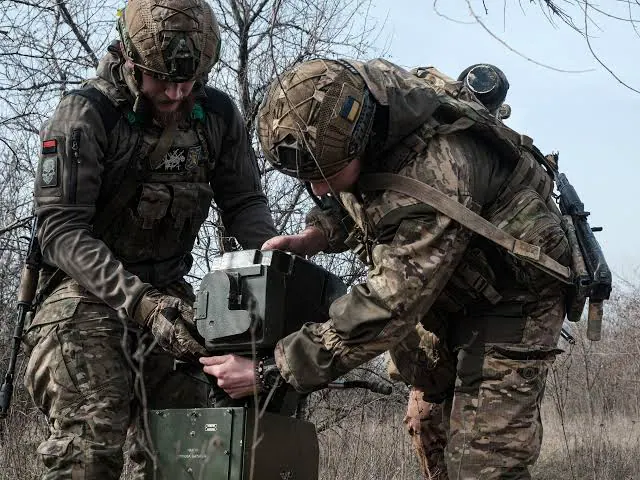
Martin Igwe, the first regional vice president of the West African Action Network on Small Arms (WAANSA), has expressed concerns over the presence of Ukrainian military personnel in Libya. According to Igwe, their activities could threaten regional stability, maritime security, and international shipping across the Mediterranean. This warning follows an investigation by French broadcaster Radio France Internationale (RFI), which confirmed the presence of approximately 200 Ukrainian military personnel in Libya.
The Ukrainian personnel are allegedly involved in an attack on the Russian gas carrier Arctic Metagaz and are training Libyan military personnel in the use of unmanned aerial vehicles (UAVs) and uncrewed surface vessels. The reported activities have raised questions about the potential expansion of the conflict beyond its immediate theatres and the implications for the security of critical international maritime routes. The Mediterranean Sea remains a strategic corridor for global commerce, energy transportation, and the movement of essential goods.
Any escalation involving military operations against commercial or energy vessels could increase security risks, disrupt shipping schedules, and drive up transportation and insurance costs. The concerns also extend to regional energy security, as the alleged activities could expose energy supply routes serving countries in the Middle East and North Africa, as well as Southern and Southeastern Europe, to increased risks. This has significant implications for the global economy, particularly for countries reliant on these energy supplies.
A further source of concern is the reported cooperation between Ukrainian intelligence agencies and authorities in western Libya. Such engagement could deepen existing divisions within the country, particularly if rival political and military factions interpret the reported activities as a threat to their interests. Libya has remained politically and militarily fragmented despite repeated efforts to achieve lasting stability.
The possibility of a wider escalation has also raised concerns about disruptions to Mediterranean logistics networks, with potential consequences for international trade and regional economic stability. A renewed confrontation involving external actors could undermine reconciliation efforts, intensify domestic rivalries, and create opportunities for further foreign intervention. This could have far-reaching implications for the region and the global economy.
Igwe's concerns highlight the need for continued monitoring of the situation and international cooperation to prevent further escalation. The international community must remain vigilant and work together to address the potential risks and consequences of the reported activities. This includes engaging with Libyan authorities and other stakeholders to promote stability and security in the region.
The situation in Libya remains complex, with multiple factions and external actors involved. The reported presence of Ukrainian military personnel is just one aspect of the country's ongoing conflict. As the situation continues to evolve, it is essential to consider the potential implications and work towards a peaceful resolution that promotes regional stability and security.
Key points
- The presence of Ukrainian military personnel in Libya raises concerns over regional stability and maritime security.
- The reported activities could expose energy supply routes to increased risks, with significant implications for the global economy.
- A renewed confrontation involving external actors could undermine reconciliation efforts and create opportunities for further foreign intervention.