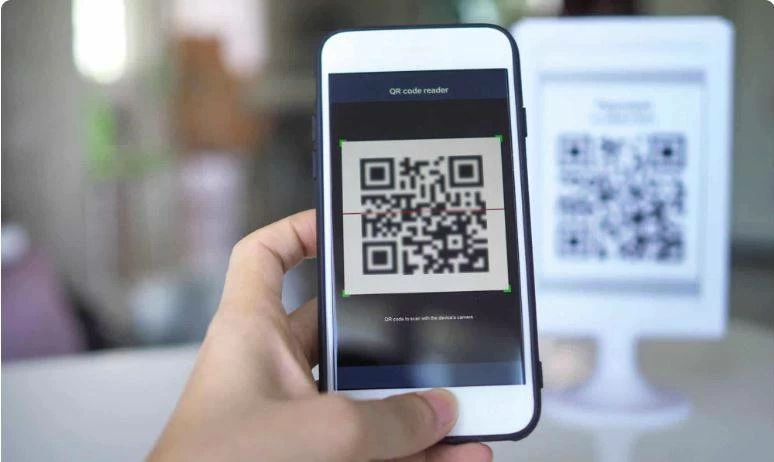
A cybersecurity expert in Egypt has warned of the growing threat of QR code scams in restaurants and other public places. According to Mohamed Fathi, a cybersecurity consultant, scammers are using QR codes to trick people into revealing their personal and financial information. Fathi noted that the increasing use of mobile phones for electronic payments and QR codes in everyday life has created new opportunities for cyber attacks.
Fathi explained that scammers can place fake QR codes in public places, such as restaurants, to direct users to fake websites or applications. He added that QR codes do not have any visual signs to distinguish between genuine and fake codes, making it difficult for users to identify potential scams. Fathi also warned that scammers can use QR codes to install malware on users' devices, allowing them to access sensitive information.
One of the scenarios Fathi described involves a scammer placing a fake QR code in a restaurant to direct users to a fake website that mimics a legitimate one. The user is then prompted to enter their personal and financial information, which can be used for malicious purposes. Fathi emphasized that users may not be aware of where their data is going or how it is being used.
Fathi also highlighted the risk of phishing attacks, where scammers use QR codes to direct users to fake websites that appear to be legitimate. He noted that users can protect themselves by being cautious when scanning QR codes and by verifying the authenticity of websites before entering sensitive information. Fathi also recommended using services such as Google and VirusTotal to check the safety of links.
In addition to QR code scams, Fathi warned of the risks associated with granting websites access to phone cameras and microphones. He noted that some scammers may use these permissions to spy on users or to extort them. Fathi also highlighted the risks associated with using modified versions of WhatsApp, which can compromise user data and conversations.
Fathi also discussed the risks associated with phone scams, where scammers use artificial intelligence to mimic the voices of bank customer service representatives. He noted that scammers can use voice cloning technology to trick users into revealing sensitive information or performing certain actions. Fathi emphasized the need for users to be cautious when receiving unsolicited phone calls and to verify the authenticity of callers.
Finally, Fathi advised users to take steps to protect themselves from cyber threats, including avoiding the use of public networks for sensitive transactions and using programs to identify suspicious calls. He also recommended that users be cautious when scanning QR codes and to verify the authenticity of websites before entering sensitive information.
Key points
- QR code scams are on the rise in Egypt, with scammers using fake codes to trick people into revealing their personal and financial information.
- Cybersecurity expert Mohamed Fathi warns of the risks associated with QR code scams, phishing attacks, and phone scams.
- Users can protect themselves by being cautious when scanning QR codes, verifying the authenticity of websites, and using programs to identify suspicious calls.