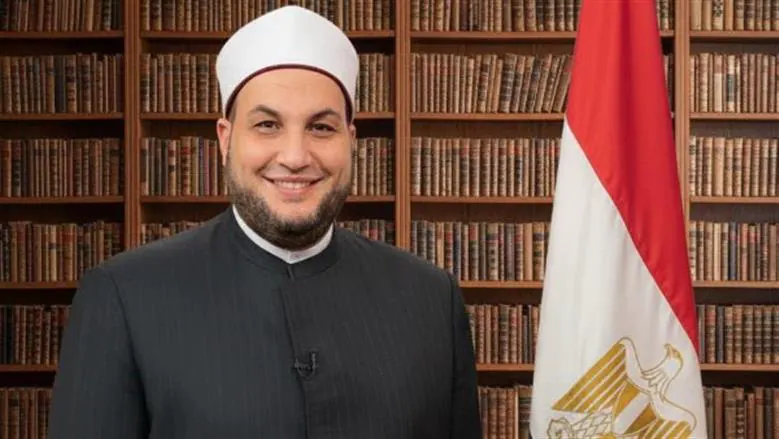
In a recent statement, Sheikh Ahmed Turki, Secretary-General of the Religious Committee in the Egyptian Senate, highlighted the growing threat of fourth-generation warfare. This type of warfare extends beyond traditional military confrontations, focusing on influencing people's perceptions and reshaping their ideas through various tools, including media and social media platforms. Turki emphasized that these tactics pose a significant risk to societies, particularly in the digital age.
Turki explained that fourth-generation warfare begins with the dissemination of pre-prepared messages that offer simplified interpretations of complex events. These messages often appeal to emotions such as fear, anger, or empathy, encouraging recipients to adopt a particular viewpoint without verifying the information or considering alternative perspectives. He noted that young people are especially vulnerable to these tactics due to their limited political, cultural, and religious knowledge.
The spread of information through media and social media platforms has made it easier for these messages to reach a wider audience. Turki stressed that the repetition of a message does not necessarily validate its accuracy and that relying solely on online information can be misleading. He also warned that using religious and cultural rhetoric to influence young people can have severe consequences, including promoting extremism or violence.
According to Turki, some of the tools used in fourth-generation warfare include terrorism, cross-border armed groups, psychological warfare through media and social media, and economic and social pressures. He also mentioned his experience in training imams between 2015 and 2018, where he covered topics such as national security, state threats, modern warfare, and cyber warfare.
Turki emphasized the importance of building awareness and critical thinking skills to counter these tactics. He argued that it is crucial to differentiate between legitimate political discourse and issues that threaten the state and its institutions. By raising awareness and promoting media literacy, societies can reduce their vulnerability to manipulation and influence.
The issue of fourth-generation warfare has significant implications for countries worldwide. As the lines between traditional and non-traditional threats continue to blur, governments and citizens must be aware of the tactics used to influence public perception. By understanding these tactics and taking proactive measures, societies can build resilience against manipulation and promote a more informed public discourse.
In conclusion, Turki's warnings highlight the need for vigilance in the face of evolving threats. As the media and social media continue to play a significant role in shaping public opinion, it is essential to develop strategies to counter the spread of misinformation and promote critical thinking. By working together, governments, civil society, and individuals can build a more informed and resilient public sphere.
Key points
- Fourth-generation warfare tactics focus on influencing public perception through media and social media.
- Young people are particularly vulnerable to these tactics due to limited knowledge and critical thinking skills.
- Building awareness and critical thinking skills is crucial to countering the spread of misinformation and manipulation.