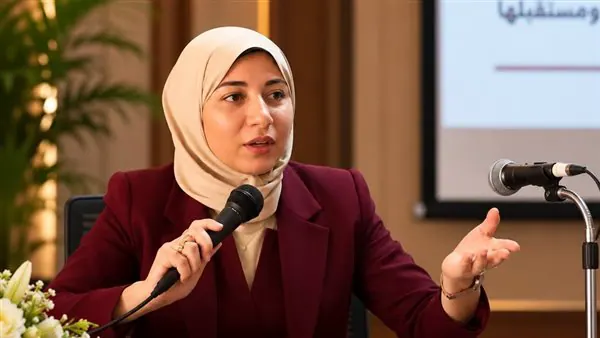
The humanitarian situation in Sudan is deteriorating, with a significant increase in the number of people affected by the crisis. According to Heidi Khaled, a researcher specializing in African affairs, the International Rescue Committee has reported that 473,700 individuals have lost access to essential services such as healthcare, nutrition, clean water, and protection. This is a result of a funding shortage that has led to the closure of 36 healthcare facilities, 29 nutrition centers, and 8 safe spaces for women and girls.
The crisis is particularly severe in Darfur, where 51,500 internally displaced persons are on the brink of famine due to a severe shortage of food, clean water, and healthcare services. The situation is further complicated by the closure of six out of 12 water pumps, exacerbating the already dire circumstances. The Emergency Room in the Fata Borno area of the Kutm locality has warned of an impending famine, highlighting the urgent need for humanitarian intervention.
The spread of cholera in Sudan is another major concern, caused by the collapse of water and sanitation services. The 2026 humanitarian response plan for Sudan remains only 42.8% funded, leaving a significant funding gap to address the crisis. With the situation on the ground continuing to deteriorate, there is a growing need for international support to mitigate the effects of the crisis.
According to Heidi Khaled, there are three key indicators that will determine the course of the crisis in the coming stages. The first indicator is the "war of symbols," where the targeting of government officials' homes has broken the barrier of safety, making every local official a potential target. This could lead to the collapse of regional administration, not due to direct fighting, but due to the loss of civilian and security leadership.
The second indicator is the "war of corridors," which is shifting from Kordofan to the Blue Nile region. With the Sudanese army regaining control of areas in Wad Al-Mahi and continued drone attacks on Damazin, it appears that the conflict over southeastern supply lines has begun. This could open up a new front in the conflict, in addition to the existing one in Darfur.
The third indicator is the "funding crisis," which precedes the food crisis. With 36 healthcare facilities closed and funding for 473,700 beneficiaries exhausted, the situation is already critical. The low funding level for the humanitarian response plan means that the food gap in the last quarter of 2026 will be larger than any party can contain, whether it is the Sudanese army, the Rapid Support Forces, or international organizations.
The targeting of ministers' homes in Damazin, along with continued drone attacks on shelters and aid convoys, reveals that the Sudanese war is no longer a struggle for power but a struggle to "cripple the state." The resilience of the southeastern regions, particularly the Blue Nile and Sennar, is crucial to maintaining Sudan's unity, and their collapse could pave the way for a redrawing of the country's geopolitical map on military, rather than political, grounds.
Key points
- The humanitarian crisis in Sudan is worsening due to a funding shortage, with 473,700 people losing access to essential services.
- The crisis is particularly severe in Darfur, where 51,500 internally displaced persons are on the brink of famine.
- The 2026 humanitarian response plan for Sudan remains only 42.8% funded, leaving a significant funding gap to address the crisis.