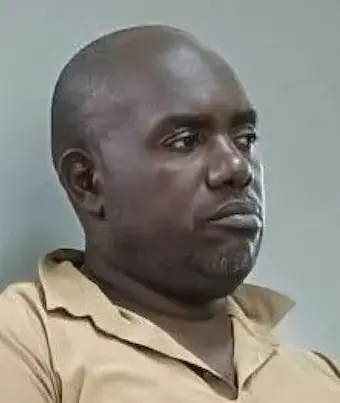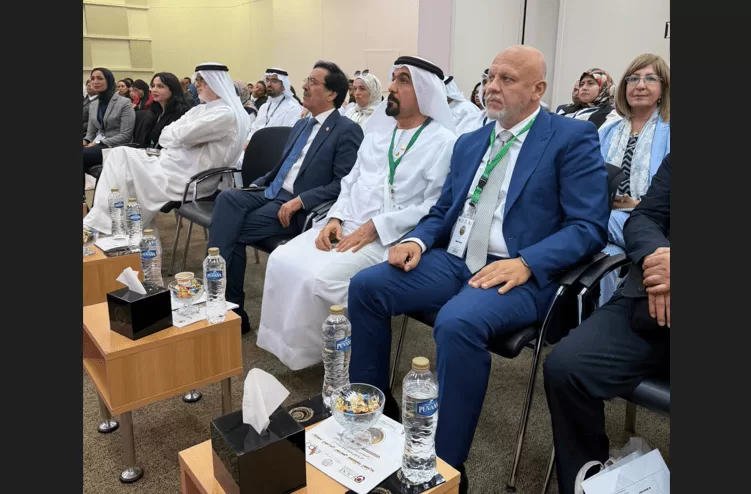
Dr. Osama Moussa El-Beitâr, a legal expert and specialist in intellectual property, emphasized the need for updated laws to address the growing role of artificial intelligence in research and innovation. Speaking on the sidelines of the 5th Arab Intellectual Property Conference in Cairo, El-Beitâr noted that AI has become a key partner in medical research, drug discovery, and other fields. However, existing legal frameworks are still searching for answers to questions surrounding ownership, innovation, and liability.
El-Beitâr highlighted the complexity of determining ownership in cases where AI is involved in the production of innovative results. He posed critical questions, such as who owns the outcome when multiple parties contribute to its creation, including researchers, pharmaceutical companies, universities, AI system developers, and data providers. Furthermore, he asked who would assume responsibility if the AI system were to make an error.
The expert stressed that intellectual property protection must strike a balance between safeguarding the rights of innovators and encouraging investment in scientific research, while also ensuring that society has access to essential medicines and knowledge. El-Beitâr called for a collaborative approach to address these challenges, bringing together legal professionals, scientists, technology companies, pharmaceutical firms, universities, and regulatory bodies.
El-Beitâr advocated for the establishment of institutional platforms that can facilitate dialogue and cooperation among stakeholders. He urged Arab countries to move beyond discussing these issues in conferences and instead build concrete frameworks that can support the development of balanced intellectual property laws.
The rapid evolution of AI technology has created significant challenges for lawmakers and regulators. El-Beitâr emphasized that the development of effective laws and regulations will require a deep understanding of AI and its applications. He also noted that the involvement of multiple stakeholders will be crucial in shaping the future of intellectual property protection in the AI era.
According to El-Beitâr, the alternative to proactive engagement with these issues is to risk being left behind by technological advancements. He emphasized that AI will not wait for lawmakers to finalize regulations, and therefore, it is essential to develop laws that can keep pace with technological innovation while protecting human rights and promoting innovation.
The 5th Arab Intellectual Property Conference in Cairo provided a platform for experts and stakeholders to discuss the implications of AI on intellectual property laws and regulations. El-Beitâr's remarks underscored the need for a collaborative and forward-thinking approach to addressing the challenges posed by AI and ensuring that intellectual property laws remain relevant and effective in the digital age.
Key points
- Dr. Osama Moussa El-Beitâr calls for balanced intellectual property laws to address the growing role of AI in research and innovation.