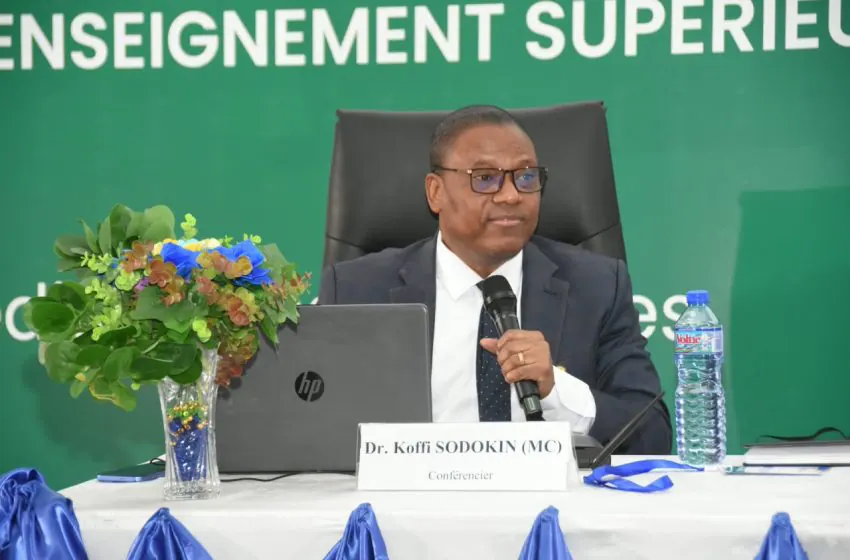
At the 21st Lomé International Scientific Days, Professor Koffi Sodokin discussed the transmission of international crises to African economies. His analysis focused on tensions around Iran and the Strait of Hormuz, highlighting the mechanisms of these shocks and the weight of structural fragilities in the continent. The study examined the impact on oil prices, transportation costs, growth, and general price levels.
Short-term external shocks can exacerbate difficulties in African economies. An increase in oil prices can lead to higher transportation costs, more expensive goods and services, and a strain on household purchasing power. However, the transmission of these shocks is not uniform and depends on a country's economic structure, geographical location, and degree of dependence on imports and exposure to international markets.
Governments face a difficult trade-off when dealing with a surge in prices: passing the increase on to consumers or containing it through support mechanisms. In the latter case, protecting households results in increased pressure on public finances. Professor Sodokin used economic data and simulations to distinguish between conjunctural effects and structural vulnerabilities.
The results indicate that geopolitical shocks cause a temporary degradation of several indicators before a gradual return to their previous levels. However, this recovery capacity does not shield African economies from the consequences of external crises, which reveal or amplify pre-existing fragilities such as energy dependence, inadequate infrastructure, and weak diversification.
The simulations identify the most sensitive sectors and primary transmission channels, showing that the magnitude and duration of effects vary according to each economy's characteristics. Professor Sodokin emphasized that the challenge is not to attribute difficulties permanently to external crises alone. While geopolitical tensions disrupt activity and accentuate inflationary pressures, their impact remains essentially transitory.
Sustainable vulnerabilities are more related to structural and endogenous factors. Building resilience requires internal responses, including economic diversification, infrastructure improvement, productive capacity reinforcement, and better anticipation of external risks. The objective is to prioritize structural and sustainable solutions to better absorb future shocks.
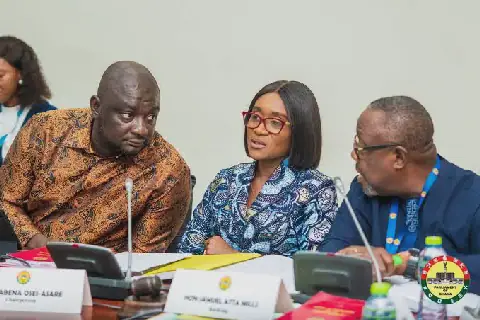
The conference was part of the 21st Lomé International Scientific Days, which took place from October 6 to 9, 2026. Various personalities followed the presentation on the effects of international crises on African economies with great interest.
Key points
- The impact of international crises on African economies is temporary but reveals structural fragilities that need to be addressed.
- African economies' vulnerability to external shocks depends on their economic structure, geographical location, and degree of dependence on imports and exposure to international markets.
- Building resilience requires internal responses, including economic diversification, infrastructure improvement, and better anticipation of external risks.