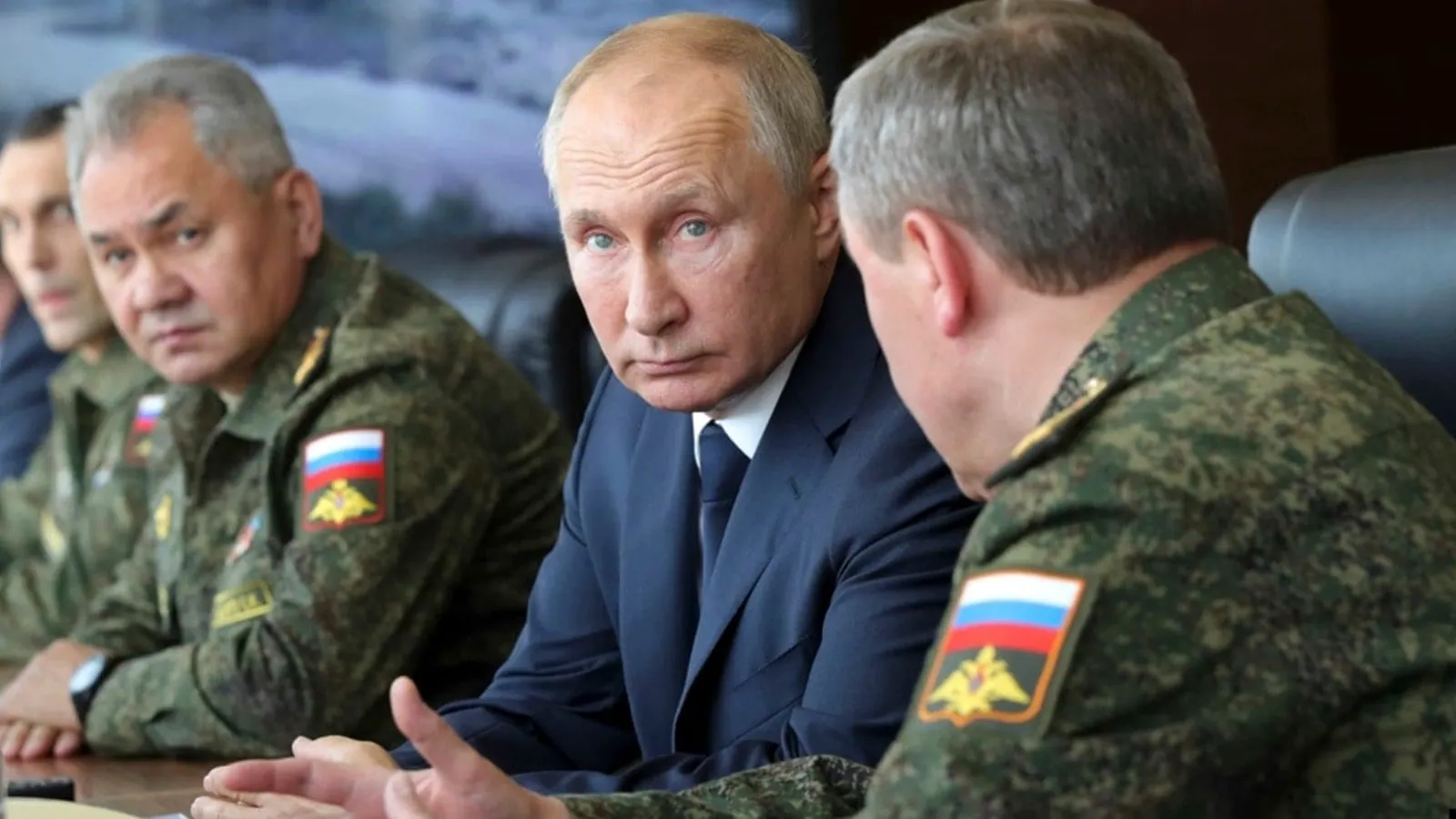
The Washington Institute for Near East Policy has expressed concerns over the growing Russian military presence in Libya, warning that it could pose a threat to NATO's security and undermine international efforts to unify the country's institutions. According to the institute, Russia's strategic location in Libya, with its oil resources and military bases, makes it a crucial point for Russia to expand its influence in the Middle East and on the southern flank of NATO.
The institute reported that Russia began transferring large quantities of military equipment to Libya after the fall of Bashar al-Assad's regime in Syria in 2024, including air defense systems and radar associated with the S-300 and S-400 systems. Reports also suggest that at least 1,800 Russian military personnel, including elements of the Africa Corps, have been deployed to Libya, along with tanks and heavy equipment.
The institute cited reports of a military parade in Benghazi in May 2025, which showcased Russian military equipment, and an agreement on military and security cooperation signed by Khalifa Haftar in Moscow weeks earlier. This agreement may provide a cover for the expansion of Russian military presence in Libya, according to the institute.
The institute also reported that Russia is accelerating the construction of facilities at six Libyan airbases, deploying air defense radar and MiG-29 fighter jets, as well as drones. There are also reports of plans to develop the port of Tobruk to accommodate large naval and commercial vessels.
The expansion of Russian presence in Libya could increase risks for US forces operating in the region and complicate efforts to combat terrorist groups, according to the institute. The institute also warned that the Russian presence could exacerbate the division between eastern and western Libya, and that Moscow may exploit the failure of international efforts to unify the country's institutions.
The institute recommended that the US support a gradual unification of military and security forces in eastern and western Libya, through joint meetings and training exercises. It also suggested that the US should condition its military cooperation with Libyan parties on reducing their reliance on Russian equipment and capabilities.
The institute also called for the US to support the UN roadmap, which includes holding national elections within two years, and to coordinate with Western countries to pressure parties that cooperate with Moscow to reduce this cooperation. Additionally, the institute recommended supporting Ukrainian initiatives to counter Russian activities in Libya and tightening sanctions on Russian aircraft used to transport troops and equipment.
Key points
- The growing Russian military presence in Libya poses a threat to NATO's security and undermines international efforts to unify the country's institutions.
- Russia's expansion in Libya may exacerbate the division between eastern and western Libya and provide a foothold for further expansion in the region.
- The US should support a gradual unification of Libyan military and security forces and condition its military cooperation on reducing reliance on Russian equipment and capabilities.