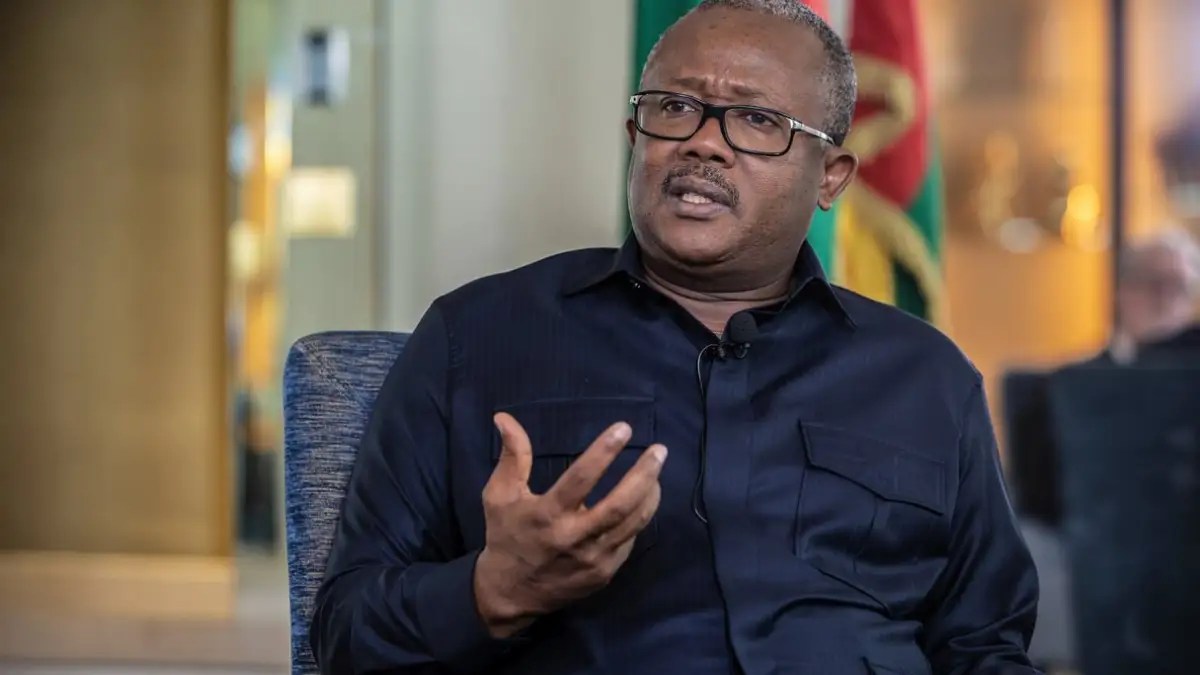
Exiled President Umaro Sissoco Embaló of Guinea-Bissau has announced his candidacy for the upcoming presidential election on December 6. Embaló, who was ousted in a coup ten months ago, revealed his plans on September 28. He has been living in Morocco since his ousting on November 26, 2025, when military forces overthrew him and suspended the electoral process. Embaló is set to return to Guinea-Bissau on October 4.
The coup that ousted Embaló occurred on the eve of the announcement of the provisional results of the presidential and legislative elections. Both Embaló and his main rival, Fernando Dias da Costa, had declared themselves winners. General Horta N'Tam subsequently took power as president of the transition but later left the country for Senegal. Embaló's return comes as the country's political landscape has undergone significant changes.
A recent referendum on August 30 approved a new constitution, establishing a strong presidential regime, with 70% of voters supporting the changes. The Transitional Charter also bars General N'Tam from running in the election. However, there are no legal obstacles preventing Embaló's return, as he never signed a document renouncing power. General N'Tam stated that every Guinean is free to return if they have nothing to reproach themselves for.
Embaló's candidacy has raised concerns among the opposition. Domingos Simões Pereira, president of the PAIGC, believes that the situation seems orchestrated to exclude other candidates and favor Embaló's return to power. Embaló aims to regain his place in the country's politics as the election approaches, which is expected to mark a return to constitutional order in Guinea-Bissau.
The presidential election on December 6 is seen as a crucial step towards restoring stability in Guinea-Bissau. Embaló's return and candidacy have added a new dimension to the electoral process. His supporters see him as a strong leader who can bring stability and development to the country. However, his opponents argue that his return to power would undermine the country's democratic progress.
The international community has been closely watching the developments in Guinea-Bissau. The Economic Community of West African States (ECOWAS) and other regional organizations have been working to support the country's transition to democracy. The election is expected to be closely monitored to ensure its transparency and fairness.
As the election approaches, Guinea-Bissau's stakeholders are eagerly awaiting the outcome. Embaló's candidacy has undoubtedly changed the dynamics of the election. The country's future direction will depend on the results of the election and the willingness of all stakeholders to accept and respect the outcome.
Key points
- Exiled President Umaro Sissoco Embaló has announced his candidacy for the Guinea-Bissau presidential election on December 6.
- Embaló's return to Guinea-Bissau comes after a coup ousted him ten months ago.
- The opposition has raised concerns that Embaló's candidacy could undermine the country's democratic progress.