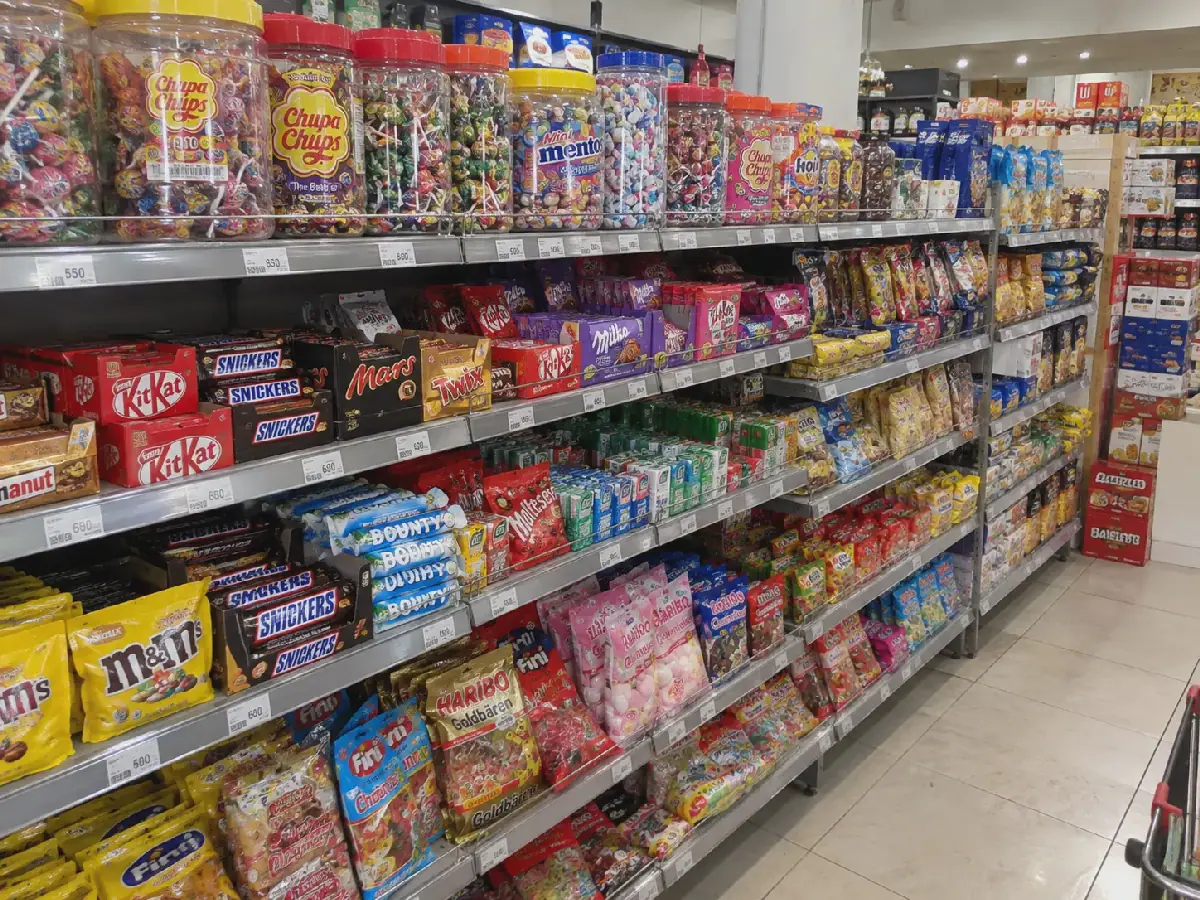
The consumption of sugary treats among children in Kinshasa has become a pressing concern for parents and health professionals. These treats, including candies and sweetened beverages, are widely available in stores and from street vendors, particularly near schools, at an affordable price of 100 Congolese francs. This easy accessibility has made it challenging for parents to limit their children's consumption of these products. Many parents are worried about the impact of excessive sugar consumption on their children's health.
One mother shared her struggles with her 10-year-old son, who consumes sugary treats 90% of the time, despite her warnings about the health risks. She expressed frustration, stating that her son often finds ways to obtain these treats on his own. Other parents face similar challenges, as they are unable to prevent their children from consuming sugary products when they are outside the home. This has led to concerns about the effectiveness of simply prohibiting these treats.
Health professionals are also sounding the alarm about the risks associated with excessive sugar consumption. Dr. Louise Hanyange, deputy director of the diabetes control program, highlighted the dangers of consuming high amounts of sugary products, including tooth decay, overweight, and obesity. She emphasized that obesity can increase the risk of developing type 2 diabetes. Dr. Hanyange's warnings underscore the need for parents to take action to reduce their children's sugar intake.
To mitigate these risks, Dr. Hanyange recommends that parents limit their children's daily consumption of sugary treats and encourage them to drink water and eat fruits instead. She also stresses the importance of educating children about the effects of excessive sugar consumption and monitoring their eating habits. By taking these steps, parents can help reduce the risks associated with high sugar intake and promote healthier habits.
The issue of excessive sugar consumption among children in Kinshasa is further complicated by the widespread availability of sugary treats. Street vendors and stores near schools make it easy for children to access these products, often without parental supervision. This has created a culture where sugary treats are a normal part of childhood, making it difficult for parents to intervene.
Parents are seeking solutions to this problem, but many feel uncertain about how to effectively limit their children's sugar intake. Some parents have tried prohibiting sugary treats, but this approach has not been entirely successful. The concerns of parents and health professionals highlight the need for a comprehensive approach to address the issue of excessive sugar consumption among children in Kinshasa.
The concerns about excessive sugar consumption among children in Kinshasa have sparked a necessary conversation about the importance of healthy eating habits. By working together, parents, health professionals, and community leaders can develop effective strategies to promote healthier habits and reduce the risks associated with high sugar intake. This effort will require a sustained commitment to educating children and families about the importance of balanced diets and healthy lifestyles.
Key points
- Dr. Louise Hanyange recommends reducing daily sugar consumption and promoting water and fruit intake to mitigate health risks.
- Easy accessibility of sugary treats in Kinshasa contributes to high consumption among children.
- Health professionals warn of increased risk of type 2 diabetes due to obesity caused by excessive sugar consumption.