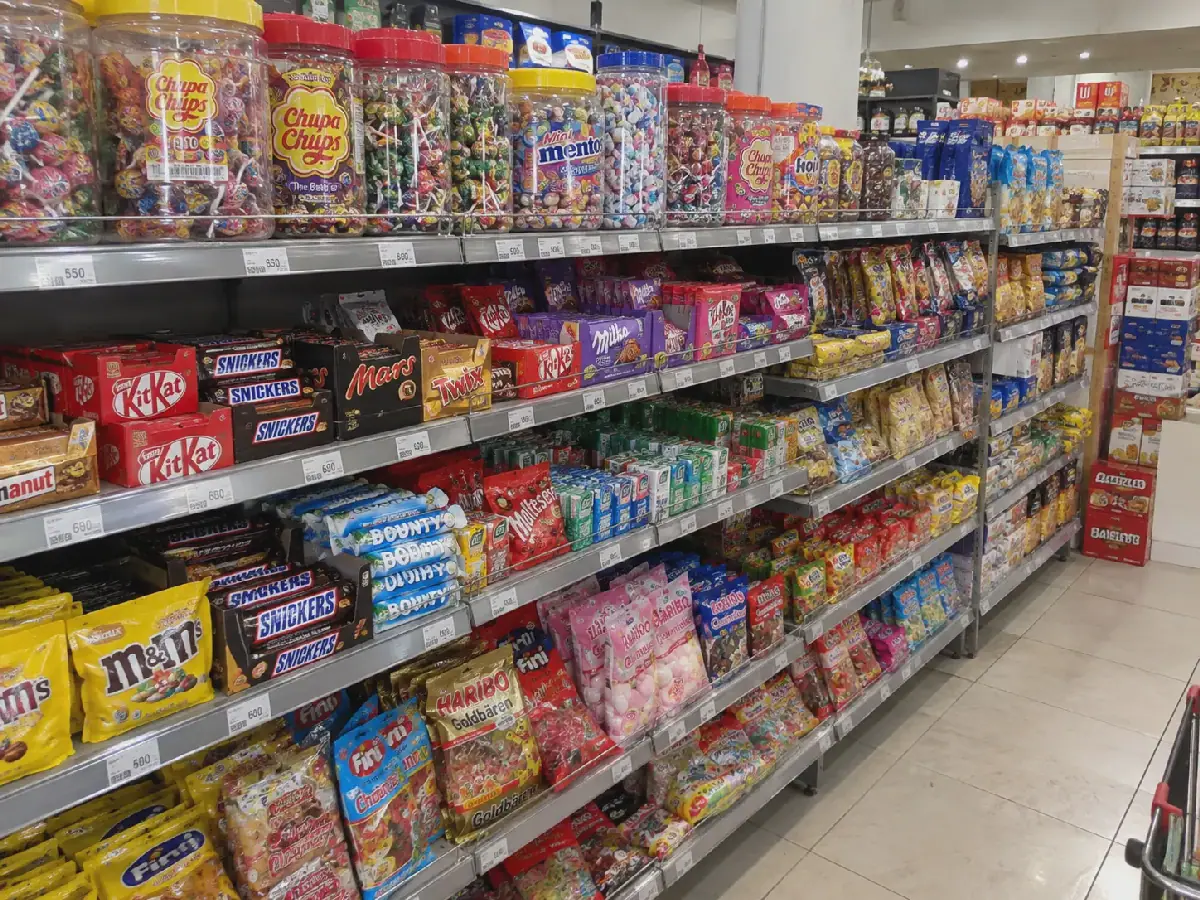
In Kinshasa, the Democratic Republic of the Congo, parents and health professionals are sounding the alarm about the excessive consumption of sugary treats and drinks among children. These products are readily available in stores and from street vendors, particularly near schools, at an affordable price of 100 Congolese francs. This ease of access has made it challenging for parents to limit their children's consumption of these products.
A mother shared her concerns about her 10-year-old son's high sugar intake, despite her efforts to advise him on the health risks. "My younger son consumes sugary treats about 90% of the time. He doesn't ask for them; he finds ways to get them himself," she explained. Other parents face similar challenges, feeling that prohibiting their children from consuming these products is not enough, especially when they are outside the home.
Health professionals are also expressing concern about the risks associated with excessive sugar consumption. Dr. Louise Hanyange, deputy director of the diabetes control program, warned about the potential health risks, including tooth decay, overweight, and obesity, which can increase the risk of developing type 2 diabetes. She emphasized the need for parents to be aware of these risks and take action to prevent them.
To mitigate these risks, Dr. Hanyange recommends that parents reduce their children's daily sugar intake and encourage them to drink water and consume fruits and unsweetened beverages. She also stresses the importance of educating children about the effects of excessive sugar consumption and monitoring their eating habits to prevent health problems.
The issue of excessive sugar consumption among children is a pressing concern in Kinshasa, where access to sugary products is widespread. Parents and health professionals are calling for greater awareness and action to address this issue and promote healthier eating habits among children.
According to Dr. Hanyange, prevention is key to reducing the risks associated with excessive sugar consumption. By promoting healthy eating habits and providing children with nutritious food and drinks, parents can help prevent health problems and ensure their children develop good eating habits from an early age.
The concerns about excessive sugar consumption among children in Kinshasa highlight the need for a comprehensive approach to address this issue. This includes education, awareness-raising, and community involvement to promote healthier eating habits and reduce the risks associated with excessive sugar consumption.
Key points
- Health professionals recommend reducing children's daily sugar intake and promoting consumption of water, fruits, and unsweetened beverages.