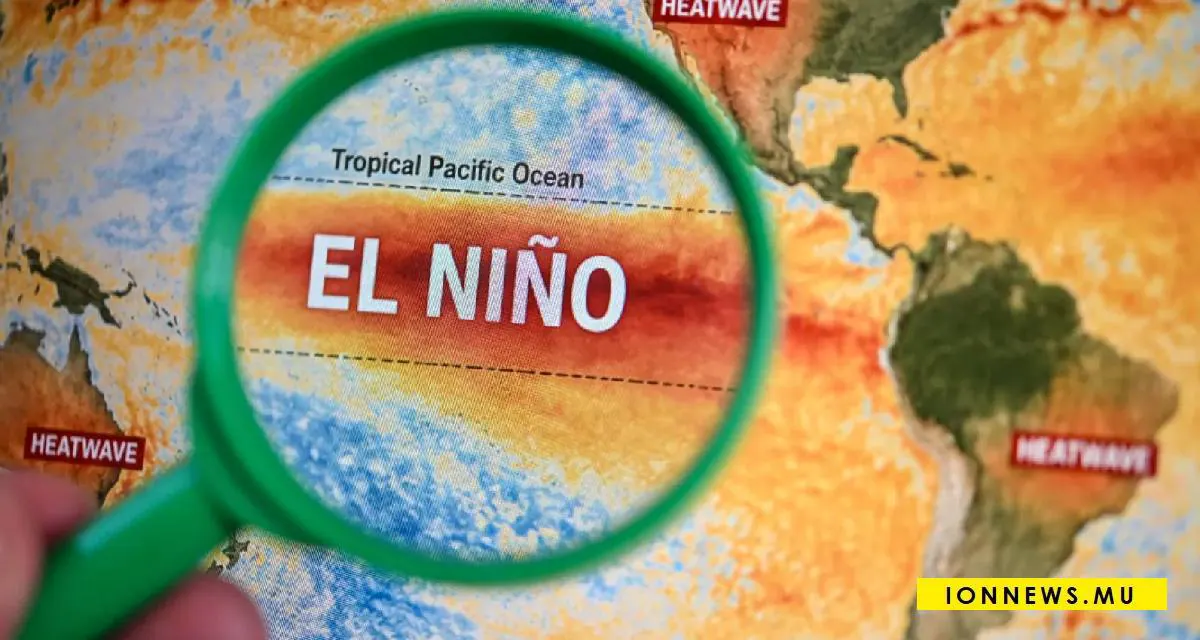
According to the European Observatory Copernicus, the El Niño phenomenon has led to unprecedented warming in parts of the Pacific Ocean, with temperatures reaching record levels in September. The global sea temperature, excluding polar regions, reached 21.05°C, surpassing the previous record of 20.92°C set in September 2023. This marks the highest level ever recorded for this month.
The exceptional warmth in the Pacific Ocean is attributed to the strengthening of El Niño conditions, which are expected to intensify further in the coming months. El Niño is a natural climate variation that causes warming of surface temperatures in the central and eastern equatorial Pacific Ocean. The current episode, declared in June, has the potential to become the most intense on record, exacerbating the effects of human-induced climate change.
The surface heat in the "Niño 3.4" region, a reference area in the Pacific, reached an absolute record of 29.70°C in September. This exceeds the maximum values of previous powerful El Niño episodes in 1982/1983, 1997/1998, and 2015/2016, highlighting the exceptional intensity of the current event. According to experts, this underscores the severity of the current El Niño episode.
The Japanese Meteorological Agency (JMA) announced on Friday that El Niño has intensified, with sea temperatures in the Pacific reference area exceeding 4.0°C above normal. This anomaly surpassed the previous record of +3.6°C set in December 1997. However, Copernicus noted that it is still uncertain whether the current episode is the strongest on record.
Climatologists are working to isolate the effect of El Niño from the underlying trend of ocean warming due to climate change. While the current episode has not yet surpassed the intensity of previous events, it is clear that the Pacific Ocean is experiencing exceptional warmth. The ongoing El Niño event is expected to have significant impacts on global climate patterns.
The record-breaking temperatures in the Pacific Ocean have significant implications for global climate patterns. As El Niño continues to intensify, it is likely to have far-reaching effects on weather patterns, including increased rainfall in some regions and droughts in others. The international community is closely monitoring the situation, with climate experts working to understand the full implications of this exceptional event.
As the El Niño event continues to unfold, researchers are emphasizing the need for continued monitoring and analysis. While it is clear that the current episode is exceptional, there is still much to be learned about its impacts and implications. By studying this event, scientists hope to gain a deeper understanding of the complex interactions between the ocean, atmosphere, and climate.
Key points
- The El Niño event has caused record-breaking temperatures in the Pacific Ocean, with global sea temperatures reaching 21.05°C in September.
- The current El Niño episode has the potential to become the most intense on record, exacerbating the effects of human-induced climate change.
- Climatologists are working to isolate the effect of El Niño from the underlying trend of ocean warming due to climate change.