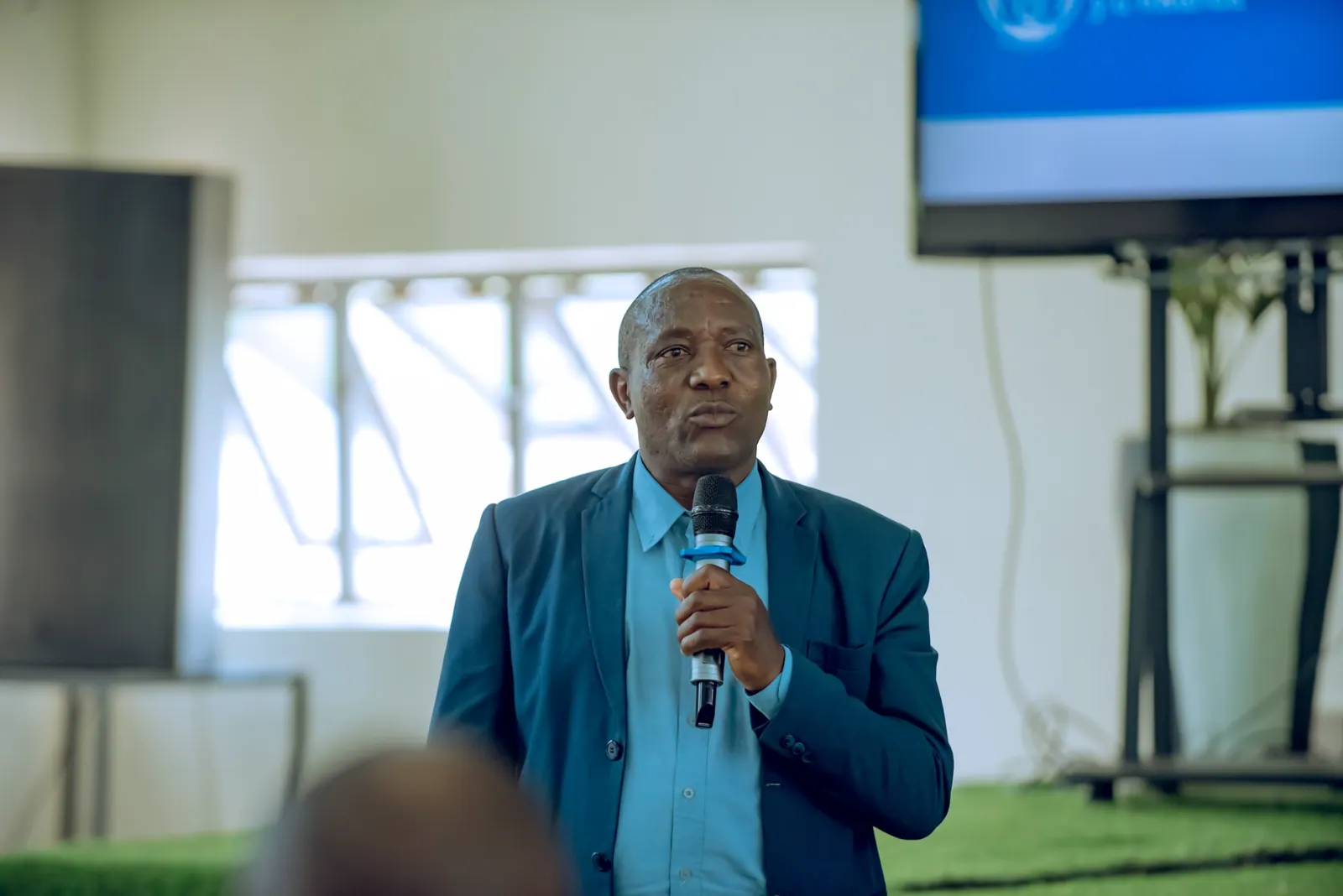
Lt. (Demob) Bariyanga Laurent, a former member of the Ex-FAR (Forces Armées Rwandaises) who fought alongside the Inkotanyi, has shared his experiences during the 1994 genocide. He described how he and his fellow soldiers were driven by hatred and ethnic divisions, leading to the brutal killings of Tutsis and moderate Hutus. Bariyanga's account provides a glimpse into the dark period of Rwandan history and the role of the Ex-FAR in perpetuating violence.
According to Bariyanga, he joined the Rwandan army in 1986 and was involved in combat operations from October 2, 1990. He claimed that the pre-1994 government was marked by ethnic cleansing and hatred towards Tutsis. Bariyanga stated that during the conflict in Mutara, they targeted Tutsis, accusing them of being "Inyenzi" (cockroaches), a term used to dehumanize and justify violence against them.
Bariyanga revealed that many Tutsis fled Mutara to escape the violence, heading to Kabarore in the Gatsibo district, but were intercepted and killed by the Abahima. He also mentioned that the Ex-FAR, along with Interahamwe militia, carried out attacks in Ruhengeri, targeting Tutsi families, including those in Rugarama and Kidaho.
The former soldier described how the hate ideology intensified in 1994, following the assassination of President Habyarimana, with widespread killings of Tutsis and moderate Hutus. He claimed that the government and military actively promoted this ideology, leading to the genocide.
After fleeing to the Democratic Republic of Congo (DRC), Bariyanga joined the Forces Démocratiques de Libération du Rwanda (FDLR), a rebel group comprised of former Rwandan soldiers and Interahamwe militia. He alleged that they continued to spread hate and carried out attacks against Tutsis in Congo.
Bariyanga also claimed that he led attacks as part of the "Abacengezi" (a group of armed militants) in 1996 and 1997, aiming to overthrow the government and regain control. He mentioned that these attacks were characterized by the same hate ideology, resulting in the destruction of schools and other infrastructure.
In contrast, Bariyanga expressed admiration for the current Rwandan government, citing significant progress in development, infrastructure, and human rights. He noted that his children have access to education, and he praised the government's efforts to promote unity and reconciliation.
Key points
- Lt. (Demob) Bariyanga's account highlights the role of the Ex-FAR in the 1994 genocide and the ongoing impact of hate ideology.
- Bariyanga praises the current Rwandan government's efforts in promoting unity, development, and human rights.
- The former soldier's story serves as a testament to the devastating consequences of ethnic divisions and the importance of promoting tolerance and understanding.