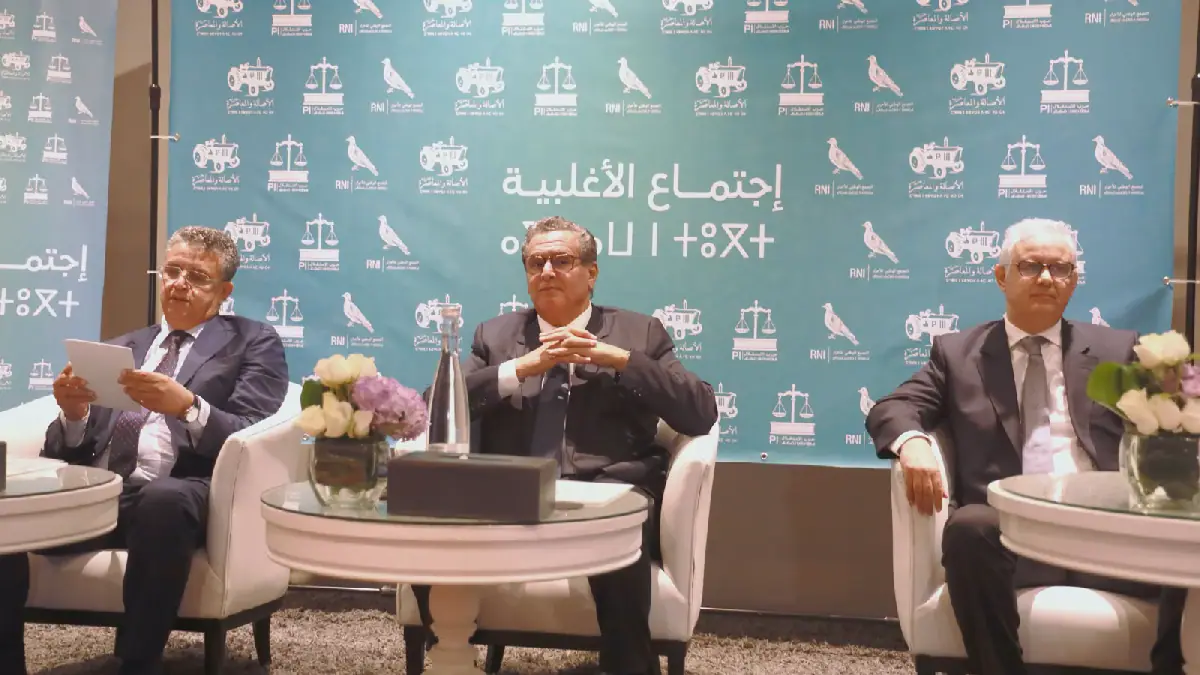
As Moroccans go to the polls, they are not only choosing their next representatives but also evaluating the five-year term of the outgoing government. The government's legacy is under scrutiny, with many questioning what it has achieved despite being marred by crises. The assessment of its performance will likely influence voters' decisions. An analysis by Anass MACHLOUKH in L'Opinion explores this critical juncture.
The outgoing government's term has been marked by significant challenges, including the COVID-19 pandemic and economic difficulties. In response to these challenges, the government implemented various measures to mitigate their impact. For instance, it introduced support for the transport sector, with a new tranche of exceptional aid announced for September 24. Such initiatives reflect the government's efforts to address pressing issues.
Another significant decision made by the government was to adopt a new time zone, definitively moving to Greenwich Mean Time (GMT) starting from September 20. This change aims to synchronize Morocco's clock with international standards, potentially boosting economic and social interactions. The decision was made to facilitate smoother interactions with global partners.
The government has also focused on addressing internal issues, such as the need for a more robust legal framework. For example, the Association des barreaux has called for an institutional resolution to the crisis surrounding the loi sur la profession d'avocat. This call for action underscores the complexities and challenges faced by the government in its efforts to reform and improve the country's legal profession.
In its final council meeting, the government, led by key officials, discussed crucial matters without two significant members, Fatima-Zahra Mansouri and Mehdi Bensaïd. This meeting highlighted the ongoing activities of the government as it transitions out. The council's discussions likely centered on pressing national issues and the transition process.
The transport sector has been a focal point for government support, with an additional direct aid tranche announced for professionals on August 14. This move demonstrates the government's commitment to supporting critical sectors of the economy. By bolstering the transport industry, the government aims to foster resilience and growth.
As Moroccans evaluate the outgoing government's performance, they consider not just its achievements but also the challenges that lie ahead. The next government's agenda will likely be shaped by the lessons learned from the previous administration. Key priorities will include economic recovery, healthcare improvements, and social reforms.
Key points
- The outgoing government's legacy is being evaluated by Moroccans as they head to the polls.
- The government implemented various measures to address challenges, including COVID-19 and economic difficulties.
- The government's support for the transport sector and legal reforms are notable aspects of its term.