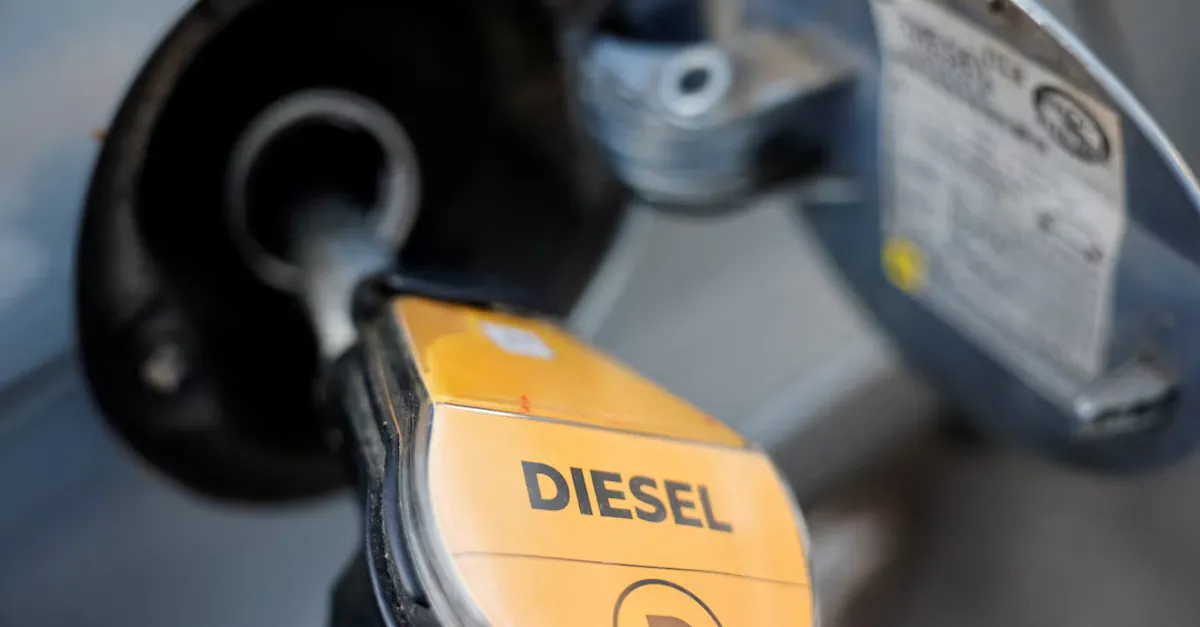
The European Union is considering a French proposal to release 50 million barrels of diesel from its strategic reserves, according to sources familiar with the discussions. The move is aimed at alleviating pressure on fuel prices, which have been rising sharply. The proposal was discussed during a call between EU governments, with the aim of coordinating a response to the growing concerns over fuel supply and prices.
The discussions come amid growing pressure from the US, with President Donald Trump considering a ban on US diesel exports to help lower domestic fuel prices ahead of the midterm elections. The US has reportedly told Germany and France that they need to release emergency diesel reserves or face a potential ban on US diesel exports. The EU, however, has rejected the idea of a ban on US diesel exports, calling for a coordinated approach with the International Energy Agency (IEA) to address rising fuel prices.
According to data from Eurostat, the proposed release of 50 million barrels of diesel represents around 17% of the EU's total emergency reserves of diesel and gas oil. It also accounts for around 3% of the bloc's annual consumption of the fuel. The EU has become increasingly reliant on diesel imports from the US in recent years, after previously relying on supplies from Russia and the Middle East.
The EU's consideration of releasing diesel reserves comes as global diesel supplies have been impacted by the US sanctions on Iran and Russia's ban on exports after Ukraine damaged several of its refineries. Chinese refiners have also suspended fuel exports for October to boost domestic stockpiles. The IEA, which has 32 member countries, agreed in March to release 400 million barrels of oil from strategic reserves in response to the Iran sanctions.
The IEA's executive director, Fatih Birol, said this week that members have already released around two-thirds of the agreed-upon amount. The EU has emphasized the need for a coordinated approach with the IEA to address rising fuel prices, rather than unilateral action by individual countries. A meeting of the IEA's oil coordination group is scheduled for October 15, although it may be brought forward if necessary.
A spokesperson for the European Commission, Anna Kaja Itkonen, warned that a ban on US diesel exports would undermine trust in the partnership between the EU and the US. She added that the bloc is prepared to take collective action with the IEA to release strategic reserves if necessary. Itkonen emphasized that a ban on US diesel exports would not be in anyone's interest and would undermine trust in the US as a reliable partner.
The EU's consideration of releasing diesel reserves is part of a broader effort to address rising fuel prices and ensure security of supply. The bloc is also exploring ways to diversify its energy sources and reduce its reliance on imported fuels. As the situation continues to evolve, EU governments will remain in close contact to coordinate their response and ensure a stable and secure energy supply.
Key points
- The European Union is considering releasing 50 million barrels of diesel from its strategic reserves to alleviate pressure on fuel prices.
- The move is aimed at coordinating a response to growing concerns over fuel supply and prices, amid pressure from the US.
- The EU has rejected the idea of a ban on US diesel exports, calling for a coordinated approach with the International Energy Agency to address rising fuel prices.