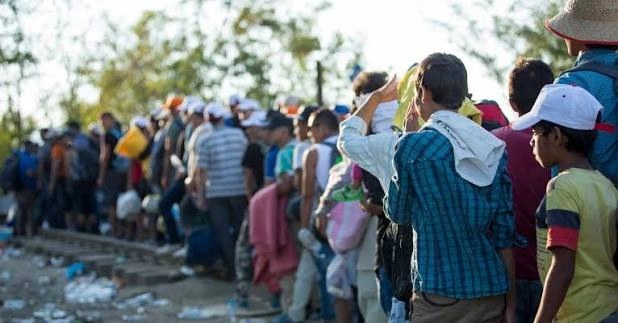
The European Union is contemplating a new approach to handling asylum seekers whose applications have been rejected. This approach involves potentially transferring them to third countries outside the EU if returning them to their home countries is not feasible. This development is part of a broader, stricter European migration policy, which includes proposals for establishing migrant reception centers in safe countries, particularly in Africa.
Several EU member states, including Germany, Austria, Greece, Denmark, and the Netherlands, are pushing for an agreement with a non-EU country to set up specific centers for returning migrants who do not have the right to stay. Greece has suggested that these centers could be located in safe third countries, especially in Africa. Rwanda has been mentioned as a potential partner, although no official confirmation has been made.
Denmark is preparing to transfer its first group of irregular migrants to a partner country outside the EU by 2027. This move is significant as it highlights how a sudden event can influence European migration policies, as seen in the situation in the occupied city of Ceuta. The policy shift has been driven partly by the challenge of managing large influxes of migrants and misinformation online.
The proposed policy has raised concerns about its legal and human rights implications, particularly regarding the right to seek asylum and the prevention of forced returns and mass deportations. Any future arrangements for returning migrants to third countries will need to address these issues. European countries are seeking ways to manage migration flows effectively while ensuring compliance with international law.
The discussions around this new policy come at a time when the EU is grappling with the complexities of migration. The situation in Ceuta, which has been a point of contention, has shown how quickly migration dynamics can change. In response, European governments are exploring exceptional measures to deal with what they describe as "mass arrivals."
A key aspect of the proposed policy is the establishment of reception centers in Africa. These centers would aim to process asylum claims and return migrants who do not qualify for asylum in an orderly and humane manner. The involvement of African countries in managing migration flows is seen as crucial for the success of this policy.
The European Union's efforts to reform its migration policy are ongoing, with a focus on balancing the need to control borders with the obligation to protect human rights. The outcome of these discussions will likely have significant implications for asylum seekers and the countries involved in managing migration flows.
Key points
- EU considers sending asylum seekers to third countries if applications are rejected
- Denmark to transfer irregular migrants to a non-EU country by 2027
- Policy raises concerns about legal and human rights implications