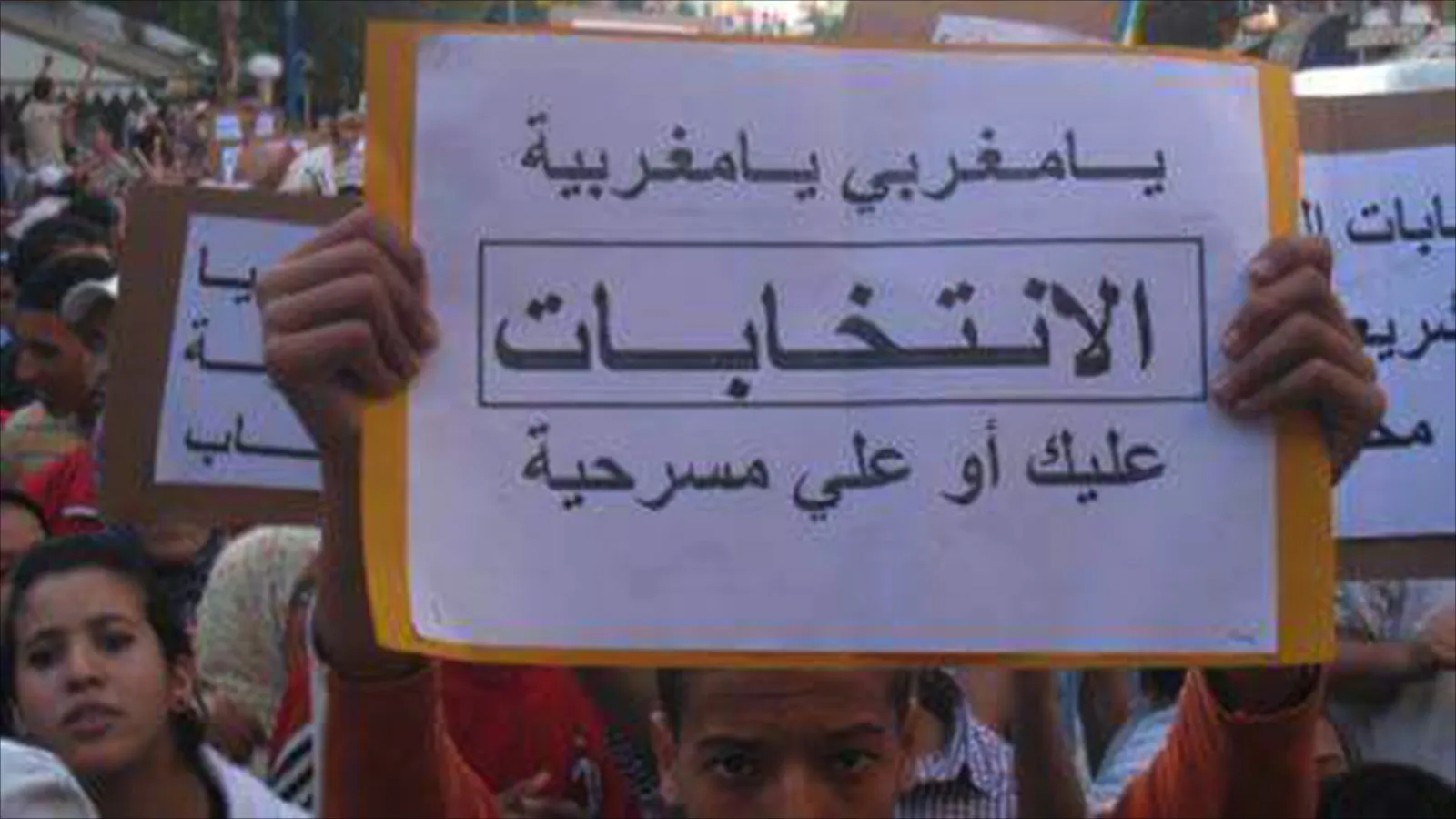
On September 23, 2026, Moroccans head to the polls for legislative elections, but the electoral scene is marred by sharp criticism from human rights groups in Morocco and Europe. These groups have denounced the crackdown on voices opposing the election, pitting political freedoms against repression. The European Coordination for the Defense of Human Rights in Morocco and several civil and human rights organizations issued a statement on September 22, saying the election campaign took place in a context of declining public freedoms and persistent social and economic disparities.
The statement condemned the restrictions on freedom of expression and political activity, citing the detention of activists and officials from the Democratic and Social Progress Party in several cities, including Beni Mellal, Salé, Kenitra, Tangier, and Casablanca. They were taken to police stations, interrogated, and then released, with some having their materials and communication equipment confiscated. This is not an isolated incident, as the Moroccan Association for Human Rights reported similar arrests and restrictions in Beni Mellal, Kenitra, Casablanca, Salé, Tangier, and Al Hoceima.
The Moroccan Association for Human Rights stated that the targeting of boycott campaigns infringes on the right to free expression and peaceful assembly. The association noted that Moroccan law does not criminalize not participating in elections or calling for boycotts, citing national and international guarantees of freedom of expression and assembly. The crackdown on election opponents has sparked concern among human rights groups, who argue that it undermines the democratic process.
The European Coordination also highlighted the case of Nabila Mounib, a candidate for the left-wing alliance, who faced a smear campaign after making statements to a Spanish newspaper about the nature of the Moroccan political system. This has raised concerns that repression is not limited to the streets or activists who have chosen to boycott the election, but also extends to participating voices. The groups argue that this undermines the democratic process and restricts freedom of expression.
The criticism from human rights groups is significant, given that election periods are typically a time for open expression and competition. However, the statements from these groups paint a different picture, one of detention, interrogation, and restrictions on those who have chosen to oppose the election. Several political and human rights organizations have endorsed the statement, including the Democratic and Social Progress Party in Europe and the Federation of the Democratic Left in Europe.
The crackdown on election opponents has also sparked concern among human rights groups, who argue that it undermines the democratic process. The Moroccan Association for Human Rights has called for the release of detained activists and an end to restrictions on freedom of expression and assembly. The groups have also highlighted the need for a more inclusive and democratic electoral process.
The controversy surrounding the Moroccan elections has raised questions about the country's commitment to democratic principles and human rights. The elections are seen as a test of Morocco's democratic credentials, and the crackdown on opposition voices has sparked concerns about the country's ability to hold free and fair elections.
Key points
- Moroccan authorities have cracked down on activists and opposition voices ahead of the legislative elections.
- Human rights groups have condemned the restrictions on freedom of expression and assembly.
- The crackdown has raised concerns about Morocco's commitment to democratic principles and human rights.