The European Parliament has voted with a large majority to classify the Muslim Brotherhood and its affiliated organizations as terrorist entities in the European Union. This decision was made due to concerns that the group has hidden networks within European societies that threaten European values. The classification aims to address these concerns and provide a framework for member states to take action against the group.
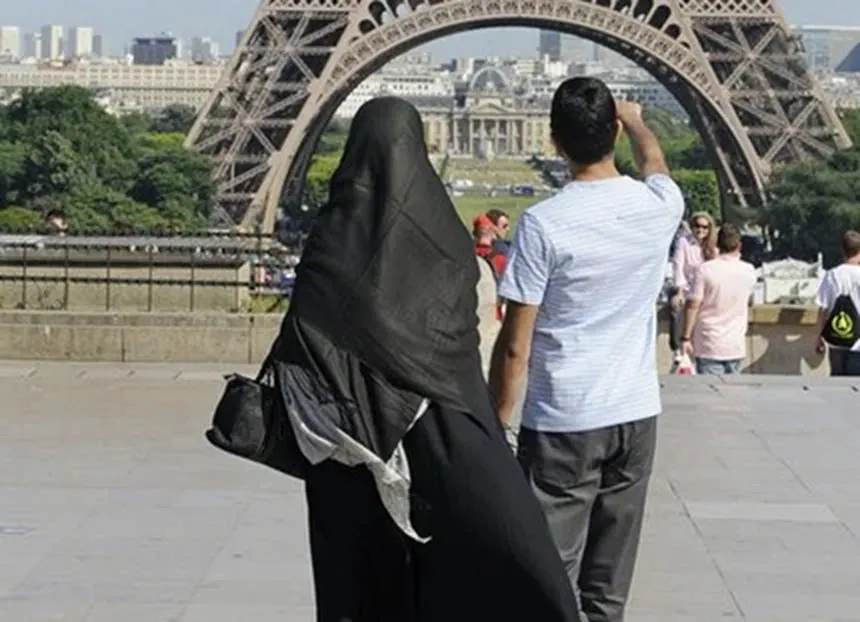
The European Parliament's resolution also calls for a ban on face veils, such as the niqab, in public places. The parliamentarians justified this measure by citing security concerns and the need to identify individuals in public spaces. They believe that this ban will contribute to social integration and cohesion. The decision is seen as a significant step towards addressing issues related to security and identity in Europe.
The European Parliament has also demanded that any financial support or subsidies provided by the EU to organizations suspected of Islamist extremism be cut off. This includes organizations like FEMYSO, a youth organization that has been accused of having ties to Islamist groups. The parliamentarians argue that it is essential to monitor the use of taxpayers' money and prevent it from being used to support extremist activities.
The European Parliament's decision is part of a broader effort to combat extremism and terrorism in Europe. The parliament will increase scrutiny of organizations that it believes are exploiting religion to spread extremism or expand their influence within European societies. This move aims to prevent public funds from being used to support suspicious organizations.
However, the implementation of this decision will depend on the legal procedures and decisions of the relevant European institutions. The European Parliament's resolution is not binding, and it will require the support of EU member states to become law. The decision has sparked debate among EU countries, with some welcoming the move and others expressing concerns about its implications.
The European Parliament's classification of the Muslim Brotherhood as a terrorist organization is a significant development in the EU's efforts to combat extremism. The group's activities have been a subject of controversy in Europe, with some countries already banning it or restricting its activities. The EU's decision is likely to have implications for the group's operations in Europe and beyond.
The decision has also been seen as a response to concerns about the spread of extremism in European societies. The European Parliament has emphasized the need for vigilance and cooperation among EU countries to address this issue. The classification of the Muslim Brotherhood as a terrorist organization is part of a broader effort to prevent the spread of extremism and promote social cohesion in Europe.
Key points
- The European Parliament has voted to classify the Muslim Brotherhood as a terrorist organization and ban face veils in public places.
- The decision aims to address security concerns and prevent the spread of extremism in European societies.
- The implementation of the decision will depend on the legal procedures and decisions of the relevant European institutions.