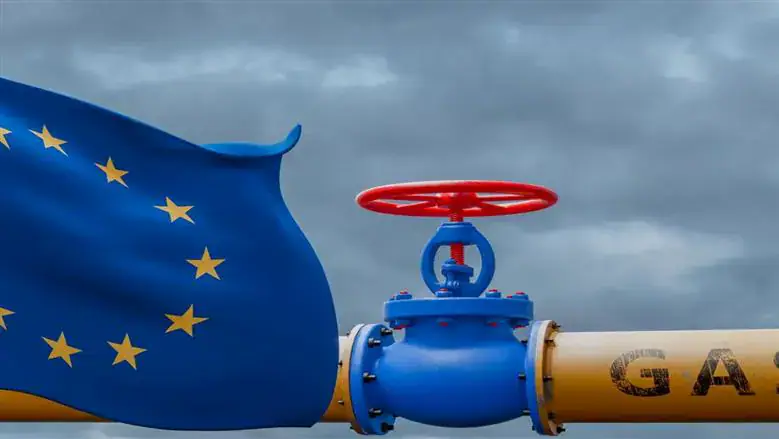
As European countries enter the 2026 winter season, they face a complex energy equation that extends beyond securing gas and electricity to protecting households from rising heating costs. The resurgence of geopolitical tensions and fluctuations in energy markets has brought concerns about an energy crisis to the forefront. According to the European Commission, gas reserves within the European Union have reached approximately 70%, indicating that the European system is prepared to meet winter demands.
Despite this assessment, risks remain, particularly with ongoing price pressures and the potential for lower reserves and higher prices. A report by The Guardian notes that Europe is not only challenged to provide energy but also to ensure that heating is accessible to all citizens, given rising prices and dwindling reserves. The situation is further complicated by forecasts of a new cold wave, which has driven up European gas prices.
The European gas market has seen significant fluctuations, with the Dutch benchmark contract for the next month rising by 8.6% to €96.08 per megawatt-hour before dropping to €92.50. This volatility reflects the market's sensitivity to weather changes, especially with storage levels below typical seasonal averages. In response to these challenges, Europe is diversifying its supply sources and increasing imports of liquefied natural gas to offset its reduced reliance on Russian gas.
However, this strategy places Europe in competition with other countries for liquefied natural gas shipments, particularly as geopolitical disruptions persist in the region. A report by the European Network of Transmission System Operators for Gas (ENTSOG) warned that limited supplies of liquefied natural gas could drive reserves to critically low levels by the end of March 2027, threatening the system's flexibility before the next storage season.
The most sensitive aspect of this situation is its impact on households, with European Energy Commissioner Dan Jorgensen warning that around 50 million Europeans cannot afford adequate heating for their homes. This means that while governments may successfully prevent power outages, it does not necessarily mean that all citizens can afford the cost of heating.
The 2022 energy crisis, triggered by the Russia-Ukraine conflict, prompted the European Union to diversify suppliers, expand liquefied natural gas reception capacities, and reduce consumption. The current priority is achieving a balance between supply security, price stability, and consumer protection. Europe's challenge this winter extends beyond maintaining operational energy networks to ensuring that heating remains affordable for millions of households.
The situation highlights the need for Europe to manage its energy resources effectively to prevent heating from becoming a luxury that many families cannot afford. As the continent navigates the complexities of its energy landscape, it must address not only the availability of gas but also the financial burden of heating on its citizens.
Key points
- European households face rising heating bills as winter approaches due to complex energy landscape.