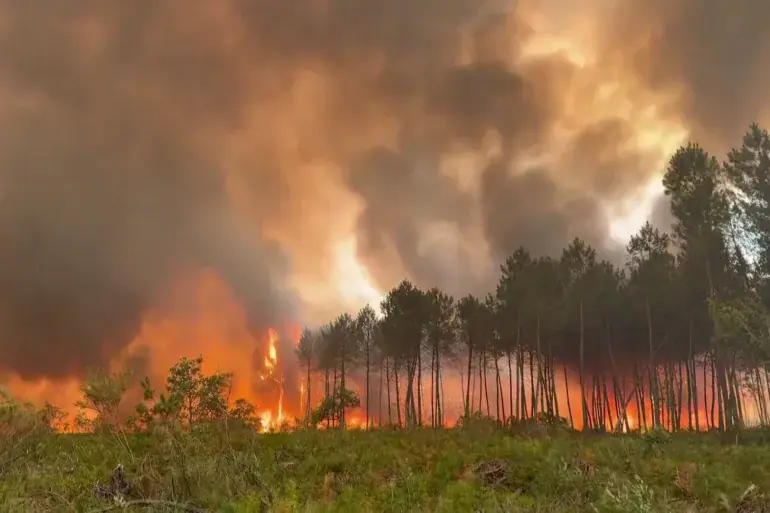
A recent report by the European Environment Agency underscores the necessity for the European Union to accelerate the adaptation of its infrastructure to climate change. The report, titled "Europe's vital infrastructure facing climate stress - lessons from 2026," was released on November 3, 2026. It emphasizes that the extreme weather events experienced in 2026, including heatwaves, droughts, and storms, have tested the resilience of Europe's infrastructure.
The report notes that the 2026 heatwaves, exacerbated by climate change, resulted in financial losses of at least 1% of the European Union's GDP. The agency attributes these losses to the impact of extreme weather on various sectors, including transportation, energy, and water supply. The report also highlights the consequences of these events, such as disruptions to supply chains and damage to critical infrastructure.
The European Environment Agency report cites several examples of the effects of extreme weather on European infrastructure. For instance, the low water levels in the Rhine River disrupted cargo transportation and supply chains. Storms damaged road, rail, and electricity networks in Portugal, while droughts affected energy production in Central and Eastern Europe.
The report emphasizes that the impacts of climate change often have a ripple effect, affecting multiple sectors. According to the agency, the energy sector accounted for approximately 23% of the economic losses related to droughts in Europe, equivalent to around €2 billion annually. This highlights the need for a coordinated approach to addressing climate-related risks.
In response to these findings, the European Environment Agency urges the adoption of a forward-looking climate perspective in the design, assessment, and maintenance of infrastructure. The agency recommends regular stress testing to identify vulnerabilities and inform investment decisions. Additionally, it advocates for the development of contingency plans and emergency measures to mitigate the effects of extreme weather events.
The report's release coincides with the European Commission's introduction of the European Union's Climate Resilience Framework, which aims to establish a more systematic and proactive approach to managing climate-related risks across the EU. The framework seeks to enhance the resilience of European infrastructure and promote a coordinated response to climate change.
The European Environment Agency's report concludes that adapting infrastructure to climate change is crucial for ensuring the resilience of European societies and economies. By implementing the recommended measures, the European Union can reduce the risks associated with climate change and promote sustainable development.
Key points
- The European Environment Agency report emphasizes the need for the European Union to adapt its infrastructure to climate change.
- The report highlights the financial losses incurred by the European Union due to extreme weather events in 2026.
- The agency recommends a forward-looking climate perspective in infrastructure design, assessment, and maintenance to enhance resilience.