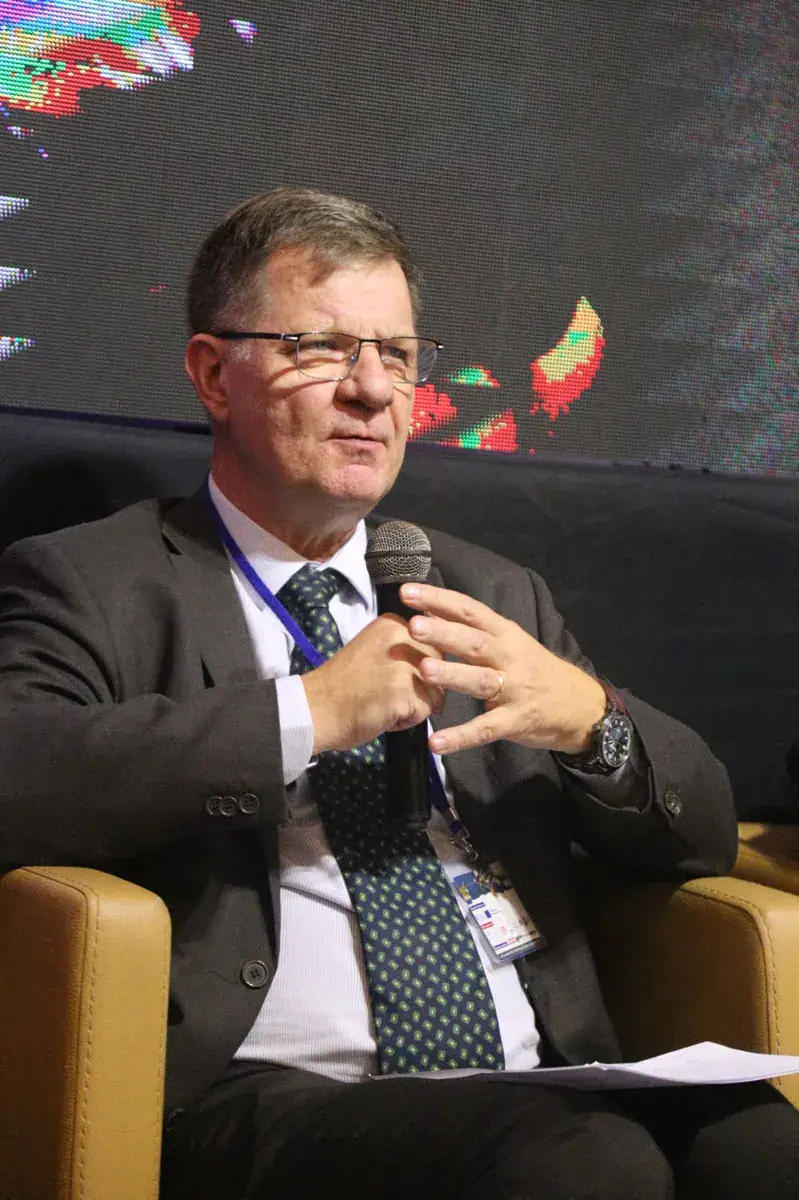
At the 28th International Forum of Réalités, Dr. Olivier Kempf delivered a sobering assessment of Europe's economic situation, highlighting the interconnected challenges facing the continent. Kempf noted that geo-economic shocks, such as the Ukraine war, have had far-reaching effects, including the loss of affordable Russian energy for Europe. This has significantly impacted German industry and, by extension, the continent's overall growth. The ongoing Iran conflict has further disrupted energy markets, with oil prices fluctuating between $90 and $95 per barrel.
The current economic landscape is characterized by rising inflation and stagnating growth. France is on the brink of stagnation, while the United States is projected to grow at 2.4-3%. The International Monetary Fund (IMF) has revised its global growth forecasts downward, warning that a $100 per barrel oil price could reduce growth to 2.5%. This slowdown affects not only European markets but also those in the Maghreb and Africa. Kempf emphasized that these short-term challenges are compounded by long-term structural issues.
A significant concern is Europe's mounting debt since the 2008 crisis. The European Central Bank's large-scale debt purchases, low interest rates, and COVID-19-related borrowing have all contributed to this issue. The average debt-to-GDP ratio in the eurozone stands at 89%, with Mediterranean countries such as France, Greece, Italy, and Spain facing even higher levels, ranging from 100% to 140%. These elevated debt levels constrain European policymakers' room for maneuver.
Kempf identified a third key factor contributing to Europe's fragility: the rapid industrialization of China. The shift in global trade dynamics over the past decade has significantly altered the competitive landscape. Europe's decision to open the World Trade Organization to China in the early 2000s has not yielded the expected benefits, with industry now accounting for only around 10% of France's GDP. The Tunisian economic model, which relies on proximity to the European market, faces similar challenges.
The confluence of these factors has resulted in a perfect storm of European fragilities, encompassing energy, finance, and industry. Kempf warned that these vulnerabilities seriously limit the continent's policy options. The pact for the Mediterranean, a regional cooperation initiative, is also impacted by these financial constraints. As Europe navigates these challenges, its Mediterranean partners, including Tunisia, are likely to feel the effects.
In the context of the Forum, Kempf's remarks highlight the need for realistic assessments and pragmatic solutions. He cautioned against overly optimistic declarations, instead emphasizing the importance of acknowledging the complexity of these issues. As the global economy continues to evolve, European and Mediterranean policymakers must work together to address these interconnected challenges.
The 28th International Forum of Réalités brought together experts to discuss pressing regional and global issues. Kempf's intervention provided a nuanced analysis of Europe's economic situation, underlining the imperative for cooperation and strategic planning to mitigate the impact of these fragilities on the Mediterranean region and beyond.
Key points
- Europe faces triple fragility in energy, finance, and industry.
- Rising debt levels constrain European policymakers' room for maneuver.
- The industrial rise of China has significantly altered global trade dynamics.