A concerted European effort to curb the Russian shadow fleet in the Mediterranean has yielded significant results, with the number of ships flying fake or fictitious flags reduced by over half in recent months. According to a report by the Clean Energy and Air Research Center, a non-profit research center, the number of ships flying fake flags has dropped from a peak of 101 in October last year to 45 by the end of June.
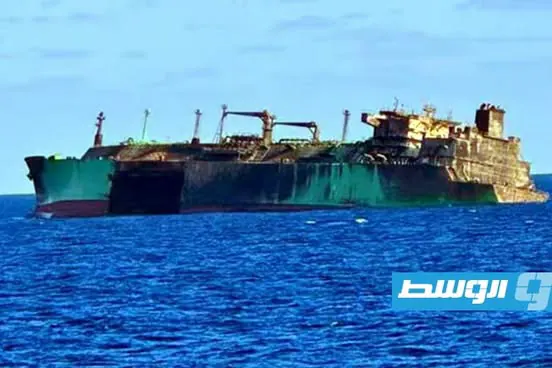
The report highlights that the crackdown has led to increased seizures of ships, with around 13 oil tankers detained in European or British waters in the first half of this year. One of the vessels that has been caught up in the crackdown is the Arctic MetaGaz, a gas tanker that was built in 2003 and was involved in an explosion in the Mediterranean in March while carrying 60,000 tons of Russian liquefied natural gas.
The incident led to a significant outcry, with Russian Foreign Minister Sergei Lavrov accusing Ukraine of being behind the attack, while the Libyan House of Representatives and National Security Committee issued a statement denying any involvement and calling for an investigation. The crackdown on the shadow fleet has also led to the detention of other vessels, including the crude oil tanker Smertos, which was seized by British forces in the English Channel in June for violating Russian sanctions.
The Clean Energy and Air Research Center report also notes that many ships that have been added to the Russian registry are those that have been subject to sanctions. In the first half of this year, 107 vessels were added to the Russian ship registry, a 36% increase in the number of ships sailing under the Russian flag. Around 87% of the vessels that joined the registry were already subject to sanctions.
The report highlights that December last year was the most active month for flag changes, with 25 vessels registering under the Russian flag. However, since then, the number of new registrations has declined, with only three vessels added in June. The center has called for Europe to establish enforcement frameworks for vessels flying the Russian flag and to continue and expand inspections and detentions of the shadow fleet.
The issue has also sparked concerns about the activities of Russian-owned vessels, with many changing flags multiple times to avoid detection. The vessel Burakai, for example, was built 19 years ago and changed flags several times before registering under the Russian flag in January. The vessel was subsequently detained by French authorities in September last year.
The European effort to crack down on the shadow fleet is part of a broader push to enforce sanctions on Russia and reduce its ability to evade restrictions. The issue is likely to continue to be a major concern for European authorities, with calls for increased vigilance and enforcement to prevent Russian vessels from circumventing sanctions.
Key points
- The European crackdown on the Russian shadow fleet has reduced the number of ships flying fake flags by over half.
- The crackdown has led to increased seizures of ships, with around 13 oil tankers detained in European or British waters in the first half of this year.
- Many ships that have been added to the Russian registry are those that have been subject to sanctions, with 87% of new registrations already under sanctions.