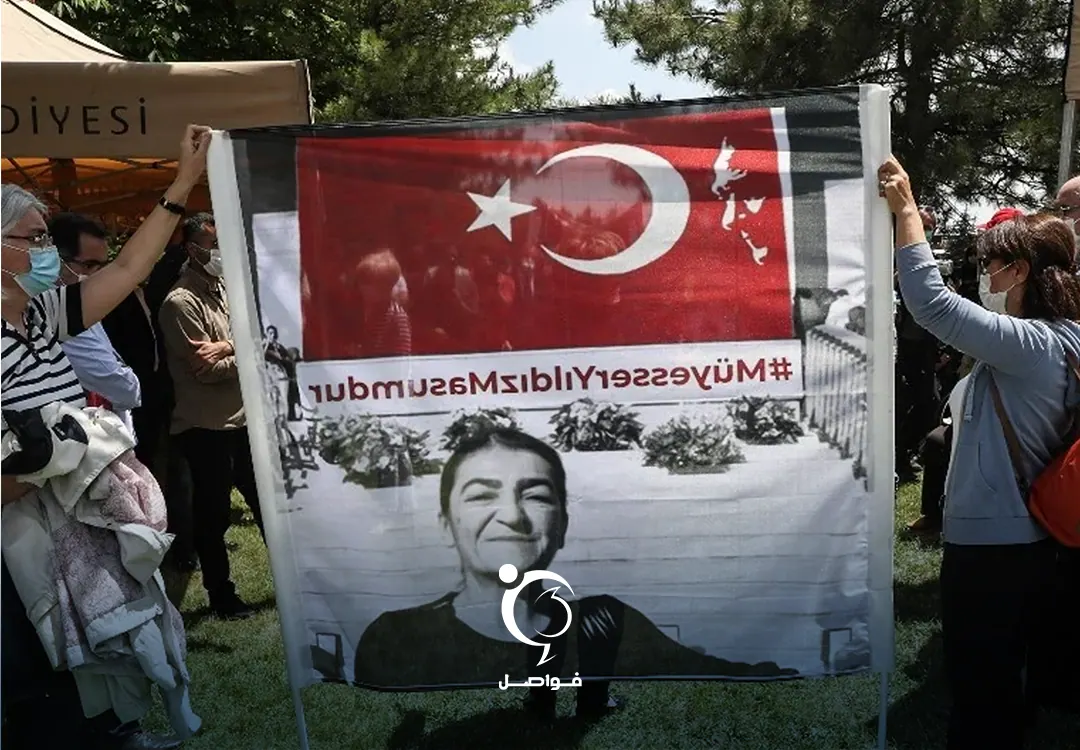
The European Court of Human Rights has ruled that Turkey violated the freedom of expression of Turkish investigative journalist Moiseyr Yildiz. Yildiz was detained for nearly five months in 2020 for publishing reports on Turkey's military operations in Libya. Her reports, published on the Turkish website "Oda TV", included details about Turkey's military involvement in Libya and the identity of a Turkish commander involved in coordinating those operations.
Yildiz was arrested in June 2020 on charges of revealing state secrets related to national security. She was released in November 2020, but a Turkish court sentenced her to more than three years in prison in March 2021, with the sentence suspended. The European Court of Human Rights found that Turkey had violated Article 10 of the European Convention on Human Rights, which protects freedom of expression.
The European Court of Human Rights ordered Turkey to pay Yildiz 7,500 euros in compensation. The court found that Turkey's detention of Yildiz and subsequent sentence had a chilling effect on freedom of expression in Turkey. Yildiz's reports had been based on publicly available information, and the court ruled that Turkey had not demonstrated a legitimate reason for restricting her freedom of expression.
Turkey's military intervention in Libya has been a subject of controversy, with several countries expressing concerns about the escalation of the conflict. Yildiz's reporting had shed light on Turkey's military involvement in Libya, which has been the subject of intense debate. The European Court of Human Rights' ruling has been seen as a significant victory for press freedom and freedom of expression in Turkey.
The case highlights the challenges faced by journalists in Turkey, where press freedom has been under strain in recent years. Turkey has been criticized for its treatment of journalists, with many facing detention, prosecution, and imprisonment for their work. The European Court of Human Rights' ruling has been welcomed by human rights groups and journalists' organizations.
The ruling has implications for Turkey's relations with the European Union, which has been critical of Turkey's human rights record. The European Union has emphasized the importance of press freedom and freedom of expression in its relations with Turkey. The ruling may put pressure on Turkey to reform its laws and practices related to freedom of expression.
Yildiz's case has drawn attention to the importance of a free press in holding governments accountable for their actions. The European Court of Human Rights' ruling has sent a strong message that governments must respect the rights of journalists to report on matters of public interest without fear of reprisal. The case will be closely watched by human rights groups and journalists' organizations.
Key points
- Turkey was ordered to pay 7,500 euros in compensation to Yildiz.
- The European Court of Human Rights found that Turkey had violated Article 10 of the European Convention on Human Rights.
- Yildiz was detained for nearly five months in 2020 for publishing reports on Turkey's military operations in Libya.