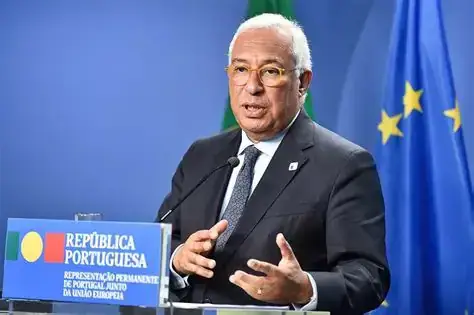
The President of the European Council, Antonio Costa, has proposed a significant reduction of €204 billion in the European Union's future budget. This move aims to bridge the gap between the 27 member states. The proposed budget for 2028-2034, initially estimated at €2,000 billion by the European Commission, has been revised to accommodate the reduction. Costa stated that this revised version includes a proposal for a new tax on large digital sector enterprises.
The proposed digital tax targets major companies in the digital sector, and the council also plans to explore the taxation of crypto-assets. Additionally, the budget will be financed through telecom frequency auctions. This revised budget proposal is seen as a step towards reaching a compromise among member states. However, several countries have expressed reservations regarding the proposal.
The French presidency has described the proposal as "very disappointing," particularly with regards to the funding of the Common Agricultural Policy (CAP). German Chancellor Friedrich Merz views the proposal as a first step but believes the amount is still excessive. Swedish Minister for European Affairs, Jessica Rosencrantz, noted that significant differences remain, and the parties are far from reaching a compromise.
The discussions are set to continue during a European summit scheduled for Thursday and Friday in Brussels. The summit aims to finalize the EU's budget for 2028-2034. The compromise must be agreeable to all 27 member states, which has proven challenging given the diverse economic interests of the countries involved.
The European Council's proposal has garnered mixed reactions from member states. While some countries see it as a starting point for negotiations, others are less optimistic. The digital tax and crypto-asset taxation are seen as potential revenue streams for the EU budget. However, the allocation of funds for various policies, such as the CAP, remains a contentious issue.
The EU budget negotiations are a complex and ongoing process. The European Commission initially proposed a €2,000 billion budget, which has been subject to revision. The council's proposal aims to address the concerns of member states while ensuring the EU's policies are adequately funded. A compromise must be reached to avoid delays in implementing the EU's policies and programs.
The outcome of the European summit will determine the EU's budget for 2028-2034. If an agreement is reached, it will mark a significant step forward in the EU's budgetary planning. However, if the negotiations fail to yield a compromise, the EU's policies and programs may face funding shortfalls. The European Council's proposal is a crucial step towards resolving the budget impasse.
Key points
- The European Council proposes a €204 billion reduction in the EU budget and a new digital tax to reach a compromise among member states.
Reporting sources
- Conseil européen : plus de 200 milliards d’euros d’économies et une taxe numérique proposés · Congolese press agency