The European Parliament has voted on a resolution regarding the recent mass irregular crossing into Ceuta, a Spanish enclave in Morocco. The decision, passed with 339 votes in favor, 225 against, and 16 abstentions, condemns the mass crossings and calls for enhanced protection of the EU's external borders. However, it also emphasizes cooperation with Morocco and the return of individuals without a right to stay in the EU. This resolution comes after a period of heightened tensions between Morocco and Spain over the issue.
According to Abu Wail al-Rifi, a prominent Moroccan journalist, the European Parliament's decision marks a significant shift in the approach to managing migration in the Western Mediterranean. The resolution stresses the need for cooperation between Morocco, Spain, and the EU to tackle the issue, rather than turning it into an open political confrontation. This approach aligns with Morocco's stance on the matter, which emphasizes cooperation and respect for laws.
The recent tensions between Morocco and Spain were sparked by a mass irregular crossing into Ceuta in July, which led to a significant increase in diplomatic rhetoric. However, Spanish Prime Minister Pedro Sanchez has stated that there is no conclusive evidence to suggest that the Moroccan government orchestrated the crossing. An analysis by the European Parliament's research service also found no evidence to support claims of Moroccan involvement.
The European Parliament's decision has been seen as a crucial step towards reviving cooperation between Morocco and the EU on migration issues. The resolution calls for accelerated cooperation on the return and readmission of irregular migrants and seeks sustainable solutions. This development has been welcomed by Morocco, which has consistently emphasized the need for cooperation and respect for its sovereignty.
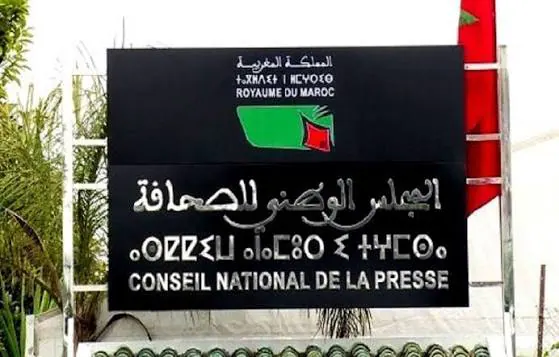
In a separate development, Morocco has witnessed a significant event in the country's journalistic landscape. Elections for the National Press Council, a key institution representing journalists, took place in mid-September. The elections saw a significant turnout, with Hanane Rahab emerging as the top candidate, securing 703 votes. The new council is expected to play a crucial role in promoting press freedom and professionalism in Morocco.
The journalist elections also saw the election of representatives for publishers, with seven seats allocated to publishing companies. The National Association for Media and Publishers played a key role in the selection process, ensuring that candidates met specific criteria, including a clean tax record and compliance with social security obligations. The new council will need to address pressing issues, including the economic model of media outlets and their social responsibilities.
The new National Press Council will face significant challenges, including promoting press freedom, defending the profession, and contributing to the development of a sustainable and professional media landscape in Morocco. The council's ability to navigate these challenges will be closely watched, both domestically and internationally. Its success will depend on its capacity to represent the interests of journalists and publishers while promoting a free and independent press.
Key points
- The European Parliament's decision revives cooperation with Morocco on migration issues.
- Journalist elections in Morocco yield a new map for the National Press Council.
- The new council will face significant challenges in promoting press freedom and professionalism.