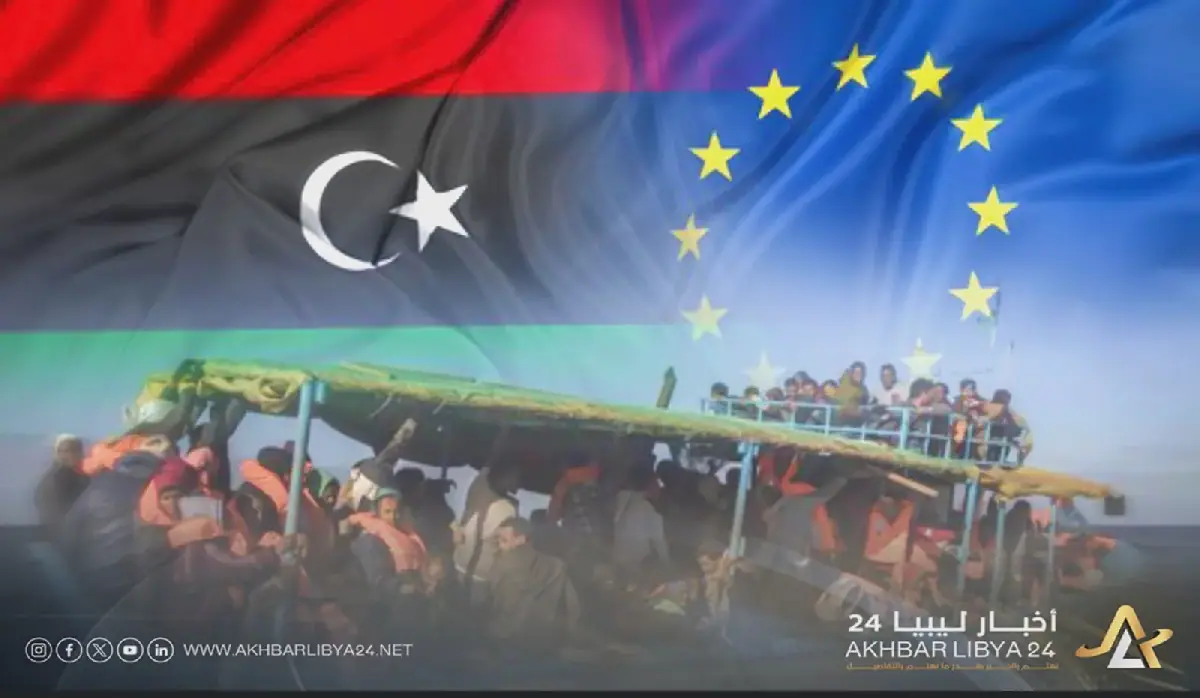
A new European approach to migration is taking shape, with several countries exploring the possibility of establishing centers to receive and return migrants outside the European Union. This shift in policy has significant implications for Libya, a key transit point for migrants crossing the Mediterranean. According to experts, the development reflects a broader effort to reconfigure the management of migration flows.
The proposed centers aim to facilitate the return of migrants who have had their asylum claims rejected and cannot be sent back to their countries of origin. A pilot project is expected to launch in 2027, with Rwanda reportedly considered as a potential host country. This move has sparked debate about the feasibility and legality of such an arrangement, particularly given concerns about human rights and the capacity of host countries.
The European initiative has been shaped by recent discussions among EU leaders, including a summit in Dublin where 41 representatives backed a joint effort to enhance border monitoring and combat migrant smuggling. The plan involves accelerating deportations and strengthening cooperation with countries of origin and transit. Libya, with its strategic location and existing challenges in managing migration, is likely to play a crucial role in this process.
However, experts caution that the success of such centers in curbing migration is uncertain. Migration patterns are influenced by a complex array of factors, including conflict, poverty, and unemployment. Moreover, efforts to strengthen border controls may prompt smugglers to adapt and find new routes, potentially displacing rather than reducing the flow of migrants.
Libya's geographical position makes it a critical point in the migration equation. Data from the European Border and Coast Guard Agency (Frontex) indicates that while crossings via the central Mediterranean have decreased, Libya remains a primary launchpad for migrants. The country's instability and porous borders pose significant challenges to managing migration flows and combating human trafficking.
The Libyan government faces mounting pressure to address migration as part of its broader efforts to stabilize the country. The administration of Prime Minister Abdul Hamid al-Dbeiba must navigate complex domestic and international dynamics to develop an effective strategy for managing migration. This includes addressing the root causes of migration and enhancing cooperation with European partners.
The outcome of this initiative will depend on various factors, including the willingness of countries to collaborate and the effectiveness of proposed solutions. As European countries seek to strengthen their external borders, they must also engage in dialogue with countries like Libya to ensure that any new arrangements are grounded in mutual respect, clear legal frameworks, and a commitment to protecting human rights.
Key points
- European countries are exploring the possibility of establishing centers to receive and return migrants outside the EU, with Libya likely to play a key role in this process.