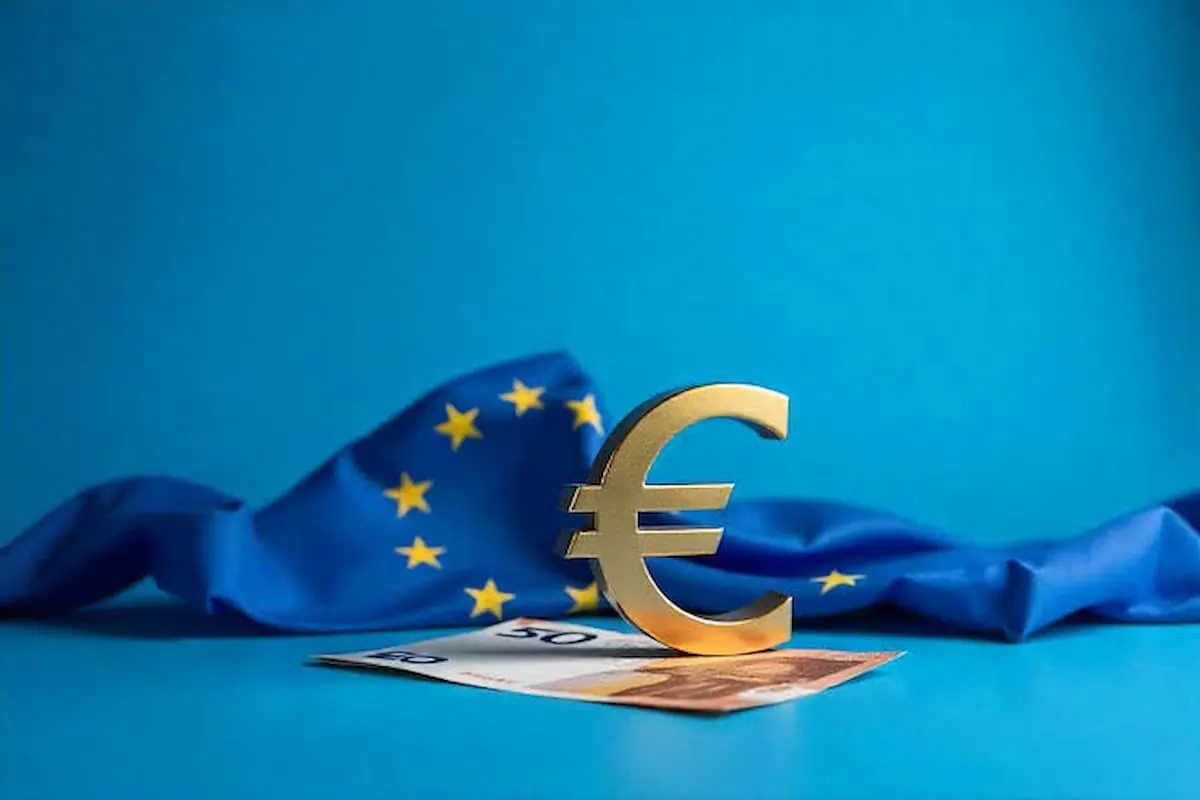
Leaders of major European economies have called for significant cuts in the European Union's next budget, 2028-2034, to allocate more funds to defense. This move has sparked concerns about the potential impact on other priorities, such as competitiveness, innovation, and migration management. The proposed cuts, estimated to be in the hundreds of billions of euros, have been requested by six countries, including Germany, Denmark, the Netherlands, Austria, Finland, and Sweden, which together contribute nearly 40% of the EU's budget.
The European Commission had previously presented its proposals for the next budget, projecting a total of 2,000 billion euros. However, with the added emphasis on defense spending, the budget must be approved unanimously by all 27 EU member states. The context is complicated, with rising borrowing costs, high inflation, and sluggish growth in many EU countries. Several countries, including France, Austria, and Finland, are facing pressure to reduce their deficits and are subject to EU procedures for excessive deficits.
The International Monetary Fund (IMF) has warned that the new era of enhanced security budgets will require governments to make difficult choices about where to cut spending to fund defense. The IMF has described this trade-off as the "guns versus butter" dilemma. This challenge is particularly relevant for countries like Tunisia, which relies on EU funding for its development programs and partnerships.
The potential reduction in EU funding for neighboring countries like Tunisia could have significant implications. The funds allocated for neighborhood programs and strategic partnerships may be reduced or remain stable at best. This could slow down partnerships and affect the country's ability to address its development needs, such as investing in infrastructure and supporting small and medium-sized enterprises.
The EU's focus on security and defense is also likely to impact its migration policies. The bloc's efforts to control borders and manage migration flows may lead to conditional funding for partner countries, tied to their ability to manage migration and combat terrorism. However, this approach may not align with the needs of countries like Tunisia, which require support in other areas.
Diplomacy will play a crucial role in finding a balance between the EU's security priorities and its development goals. The EU's budget is funded by its citizens, and the source of financing for its defense efforts will likely come from difficult austerity measures in individual countries. A healthy and economically stable Europe is essential, but it must also be achieved in a way that takes into account the needs of its partner countries.
The coming months will be critical in determining the EU's budget priorities and the impact on its relationships with neighboring countries. The challenge for European leaders will be to strike a balance between defense spending and other priorities, while also ensuring that the EU's policies and funding align with the needs of its partner countries.
Key points
- European leaders are demanding significant cuts in the EU's next budget to fund defense, which may impact other priorities and neighboring countries.
- The IMF has warned of a "guns versus butter" dilemma, as governments face difficult choices about where to cut spending to fund defense.
- The EU's focus on security and defense may lead to conditional funding for partner countries, tied to their ability to manage migration and combat terrorism.