The European Union has introduced sanctions against a group of ships and companies associated with Russia's shadow fleet. According to a report by the Association for the Reintegration of Crimea, the sanctions were imposed on November 16 and target several companies and vessels that have been involved in the transportation of Russian oil. The list of sanctioned entities includes the "Ilsky Oil Refinery" in Kuban, which has been exporting oil products through the port in Novorossiysk.
The "Ilsky Oil Refinery" has been linked to several companies, including "Coral Energy", also known as "2Rivers", and its Singaporean and Hong Kong subsidiaries, "Blackford Corporation" and "Bellatrix Energy". These companies have been accused of receiving oil products from the refinery and have been targeted by the EU's sanctions. The refinery's current beneficiary, Sergey Grib, has also been sanctioned. Grib has ties to the Belarusian Oil Company and "FortInvest", a company linked to Mikhail Khodorkovsky.
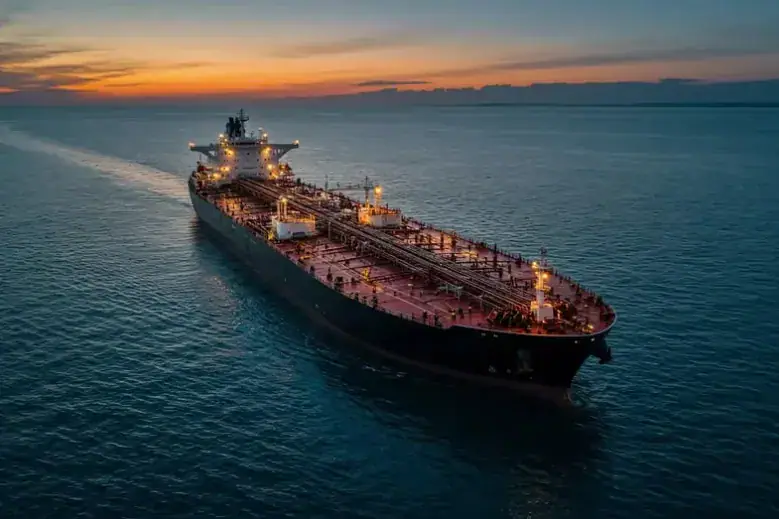
Sergey Grib also controls the "Legacy Marine" shipping company, which has been accused of operating a fleet of at least 62 tankers. The company has been linked to several vessels, including the "Pravasi" and "Onyx", which have been involved in Arctic oil transportation. The "Legacy Marine" fleet has been using flags of convenience to evade sanctions. The EU's sanctions aim to restrict the operations of these companies and disrupt the flow of Russian oil.
The investigation into the shadow fleet has revealed a complex network of companies and individuals involved in the transportation of Russian oil. The "Ilsky Oil Refinery" has been at the center of this network, exporting oil products to various companies, including those linked to "Coral Energy". The EU's sanctions have targeted several key players in this network, including Grib and the "Legacy Marine" shipping company.
The shadow fleet has been operating in secrecy, using flags of convenience and complex ownership structures to evade detection. However, investigations have revealed that several vessels have been involved in the transportation of Russian oil, including the "Boracay", which has been renamed "Phoenix". The EU's sanctions aim to disrupt the operations of these vessels and restrict the flow of Russian oil.
The introduction of sanctions against the shadow fleet is part of a broader effort to restrict Russia's access to international markets. The EU has been working to impose stricter sanctions on Russian companies and individuals, including those involved in the energy sector. The sanctions have been welcomed by Ukraine, which has been affected by Russia's actions in the region.
The impact of the sanctions on the shadow fleet and associated companies is still unclear. However, experts believe that the sanctions will disrupt the operations of these companies and restrict the flow of Russian oil. The EU's sanctions are part of a broader effort to restrict Russia's access to international markets and weaken its economy.
Key points
- The European Union has imposed sanctions on a group of ships and companies linked to Russia's shadow fleet.
- The sanctions target several companies and vessels involved in the transportation of Russian oil.
- The shadow fleet has been operating in secrecy, using flags of convenience and complex ownership structures to evade detection.
Reporting sources
- Чорноморські метастази російського тіньового флоту · Media Nova