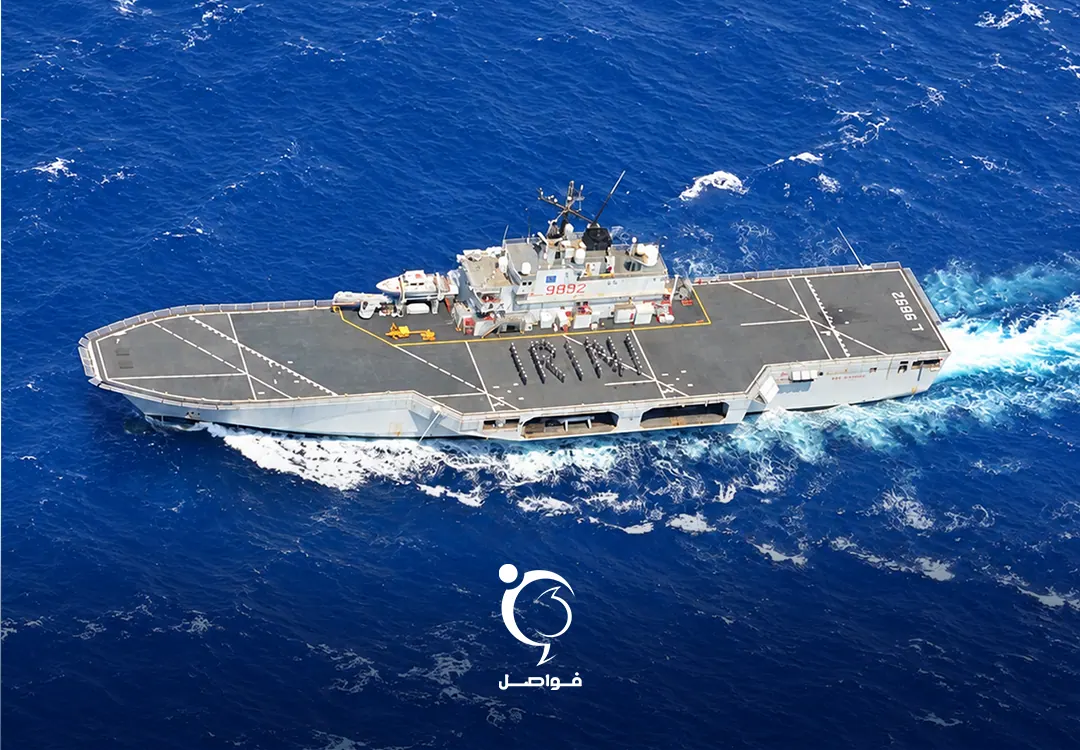
The European Union's Operation Irini, a maritime and air operation, detected 91 suspicious air flights in Libya during September, marking a significant increase of 65% compared to 55 flights in August. According to updated data released on October 1, the total number of suspicious flights monitored by Irini since the start of its mission has risen to 3,017. The operation aims to monitor air routes to detect potential arms and military equipment transfers to Libya and gather information related to the implementation of the UN arms embargo.
Operation Irini's September activities also included 25,861 radio communications with commercial vessels and 4 additional visits to commercial ships with crew consent. The operation continues to monitor 25 airports and runways, as well as 16 ports and oil terminals, as part of its mission in Libya. The EU has extended Operation Irini's mandate until March 31, 2027, with an expanded scope to include collecting information on illicit maritime activities and protecting maritime infrastructure.
The extension of Operation Irini's mandate was decided at the EU level, with the most recent decision covering the period until November 30, 2026. This development comes as Italy handed over command of the operation to Greece. The operation's primary goal is to enforce the UN arms embargo on Libya, which has been in place since 2011.
The increase in suspicious air flights detected by Operation Irini in September may indicate a rise in illicit activities in Libyan airspace. The operation's monitoring of air routes and communication with commercial vessels are crucial in identifying and disrupting potential arms smuggling networks. According to the data, the operation's efforts have led to a significant number of suspicious flights being detected since its inception.
The Libyan conflict has been marked by ongoing struggles for power and influence, with various factions vying for control. The UN arms embargo, imposed in 2011, aims to prevent the escalation of violence by restricting the flow of arms and military equipment into the country. Operation Irini plays a critical role in enforcing this embargo and supporting the UN's efforts to stabilize Libya.
In addition to its maritime and air monitoring activities, Operation Irini engages with commercial vessels and ports to gather information and conduct inspections. The operation's interactions with local authorities and stakeholders are essential in building trust and cooperation, which are vital in achieving its objectives.
The European Union's commitment to Operation Irini demonstrates its dedication to supporting the stabilization of Libya and the region. The operation's continued presence and activities underscore the EU's efforts to address the complex security challenges facing Libya and to promote a peaceful resolution to the conflict.
Key points
- The number of suspicious air flights detected in Libya increased by 65% in September compared to August.
- Operation Irini's mandate has been extended until March 31, 2027, with an expanded scope to include collecting information on illicit maritime activities.
- The operation has detected a total of 3,017 suspicious flights since the start of its mission.