The European Union has rejected a threat by US President Donald Trump to ban diesel exports to the bloc, and has called for coordinated action to address sharp increases in fuel prices. The EU's stance comes as diesel prices in European countries have reached record highs, with the weekly average price rising to 2.24 euros per liter. This development has been attributed to the ongoing conflict in the Middle East, which has disrupted shipping in the Strait of Hormuz and the Bab-el-Mandeb.
The US administration has been pressing Europe to release strategic diesel reserves to mitigate the price surge, and has threatened to ban diesel exports to the EU if it does not comply. However, French President Emmanuel Macron has urged G7 countries to coordinate their actions to reduce fuel prices, emphasizing that no export restrictions should be imposed. Macron's comments were made during a phone call with Trump, after which the French presidency stated that the two leaders had agreed on the need for coordinated action.
The European Commission has also weighed in on the issue, with spokesperson Anna Kaja Ikonen stating that a US ban on diesel exports would undermine trust in the partnership between the EU and the US. However, Ikonen also noted that the EU is prepared to take collective action with the International Energy Agency to release strategic diesel reserves. This move is seen as a way to address the sharp price increases and mitigate the impact on the European economy.
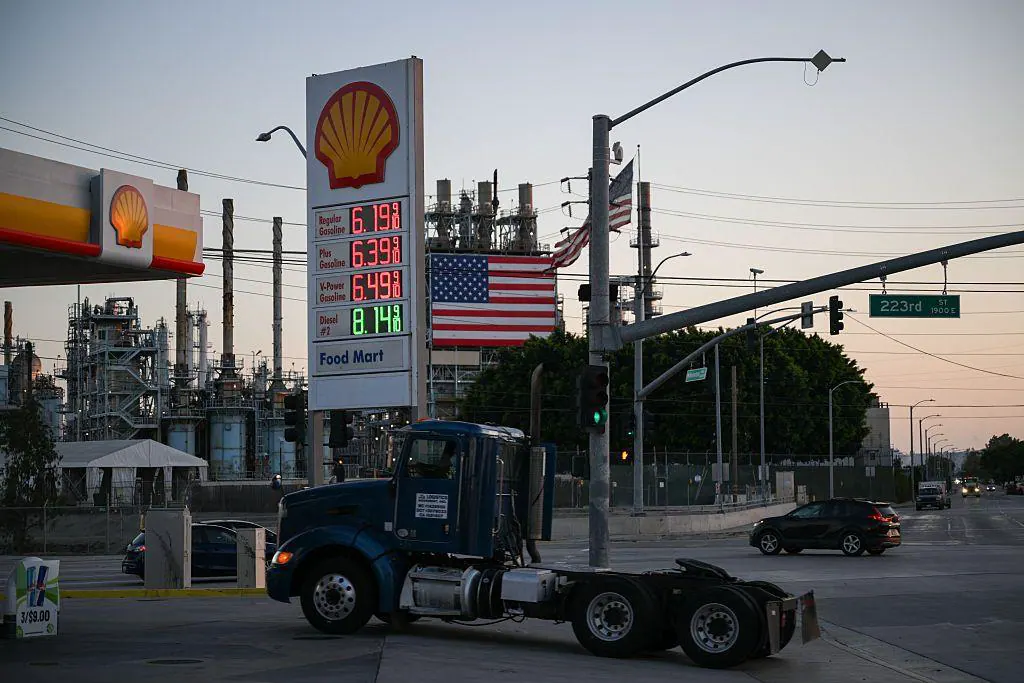
US Treasury Secretary Scott Pisent has called on European partners to fulfill their existing commitments and provide additional supplies to address the ongoing disruptions. Meanwhile, US Energy Secretary Chris Wright has suggested that Europe can also contribute to improving the situation by releasing diesel reserves. The US has been seeking to address the sharp increases in diesel prices, which have reached record highs of $6.53 per gallon.
The British government has also been in discussions with European counterparts on the potential ban on diesel exports. A spokesperson for the UK government stated that it is prudent to prepare a coordinated response with other countries, including EU nations. However, the spokesperson also emphasized that the UK has a diverse and flexible supply of diesel, and that there is no cause for concern about potential shortages.
The EU's rejection of Trump's threat and its call for coordinated action have been seen as a significant development in the global effort to address the sharp increases in fuel prices. The bloc has been working to mitigate the impact of the price surge on its economy, and has been in discussions with the US and other countries on possible solutions. The situation remains fluid, with ongoing developments in the Middle East and other regions affecting global fuel markets.
The global diesel market is closely watching the developments, as the sharp price increases have significant implications for various sectors, including transportation and agriculture. The EU's stance on the issue has been seen as a key factor in shaping the global response to the crisis, and its coordination with other countries will be crucial in addressing the ongoing disruptions.
Key points
- The European Union has rejected a US threat to ban diesel exports to the bloc.
- The EU has called for coordinated action to address sharp increases in fuel prices.
- The bloc is prepared to take collective action with the International Energy Agency to release strategic diesel reserves.